Ukraine's robotic ground systems conduct over 22,000 missions as AI reshapes frontline logistics and combat
While human operators currently retain control, experts warn that the rapid expansion of artificial intelligence in military operations challenges existing legal frameworks and international norms
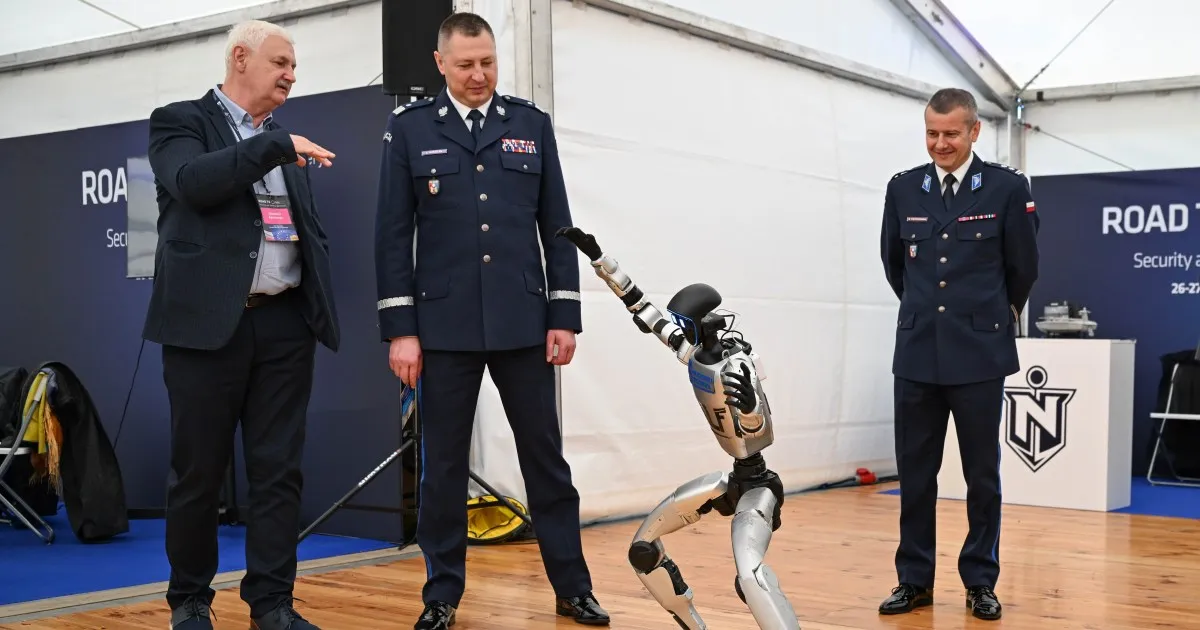
Ukraine has significantly advanced the integration of artificial intelligence into its military operations, with ground robotic systems executing more than 22,000 missions on the front line in just three months. President Volodymyr Zelenskyy confirmed in April that an enemy position was captured exclusively by unmanned platforms for the first time in the war's history, marking a distinct shift from previous reliance on human-led assaults.
The deployment of these autonomous machines has fundamentally altered logistical procedures, with reports indicating that up to 70 per cent of front-line supplies are now delivered by robotic systems rather than soldiers. These units are currently tasked with transporting ammunition, food, and medical supplies, as well as evacuating wounded troops from dangerous positions, thereby reducing the exposure of personnel to direct fire.
Footage released in January by Ukrainian defence company DevDroid depicts Russian soldiers being captured by a ground robot using artificial intelligence, illustrating the evolving nature of these engagements. While human operators currently retain control and can halt machines facing obstacles such as uneven terrain, the involvement of AI in decision-making processes raises complex questions regarding the delegation of authority to software.
The modern discourse surrounding AI in warfare was largely catalysed by US unmanned aerial vehicle operations in the early 2000s, specifically the MQ-1 Predator drone in Afghanistan. However, the current situation in Ukraine represents a third revolution in warfare, according to Toby Walsh, an AI expert at the University of New South Wales, as the focus has shifted from remote control to systems that assist in identifying targets and prioritising strikes.
International concern is mounting regarding the ethical and legal implications of these technologies, particularly as the United Nations Institute for Disarmament Research prepares to meet in June to examine the impact of AI on international peace and security. A 2020 incident involving Turkish-made Kargu-2 loitering munition drones in Libya previously triggered a fierce global debate over fully autonomous attacks, highlighting the difficulties in enforcing rules on machine-led violence.
In the United States, the Department of Defense has awarded $200m contracts to OpenAI, xAI, and Anthropic to implement generative AI into military operations, further complicating the regulatory landscape. Experts warn that without careful governance, the speed and accuracy of AI-driven warfare could outpace human ability to respond, potentially rendering traditional rules of engagement obsolete.