Ukraine’s defence reforms under threat as protests erupt over Fedorov’s dismissal
Soldiers describe the removal of Mykhailo Fedorov as a betrayal of innovation efforts, while critics warn of a drift toward authoritarian governance and a halt to critical digital modernisation.
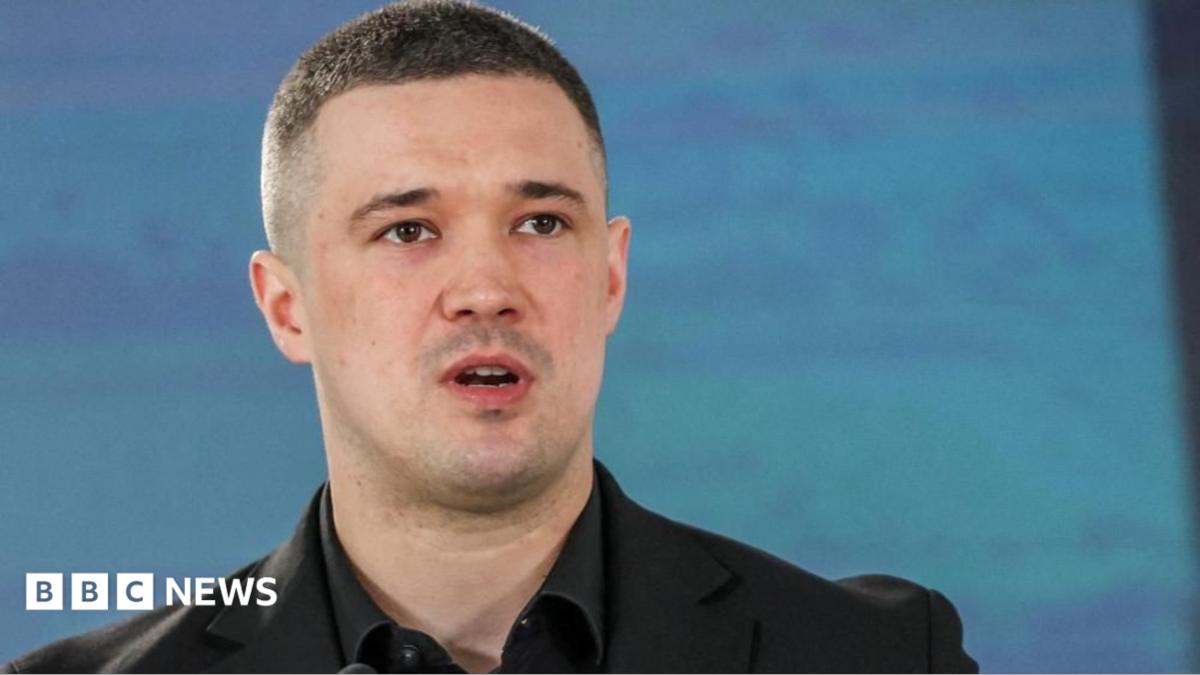
Protests have spread across Ukraine following President Volodymyr Zelensky’s decision to exclude Defence Minister Mykhailo Fedorov from the latest cabinet reshuffle. The move has triggered outrage among soldiers and civilians, with many characterising the dismissal as a direct betrayal of the military’s modernisation efforts. Wounded veterans and frontline personnel have expressed deep frustration, with some describing the decision as a "blatant slap in the face" to service members who view Fedorov as a key architect of Ukraine’s technological advantages.
Fedorov, who was appointed to the defence portfolio in January, had been credited with driving significant digital reforms within the ministry. His tenure included the implementation of the "Army of Drones" initiative, a scheme designed to incentivise innovation and accelerate procurement by rewarding frontline units. He also successfully negotiated with Elon Musk to restrict Russian access to Starlink satellite internet, a move analysts believe caused significant disruption to Russian front-line operations. Critics argue that his departure risks halting these critical advancements during a vulnerable period of the war.
The reshuffle appears to follow a reported rift between Fedorov and Commander-in-Chief General Oleksandr Syrskyi. Zelensky stated that the two men were unable to work together, while Fedorov accused the general of blocking reforms. Military analyst Ivan Stupak described the conflict as a generational and ideological clash, likening Fedorov’s approach to modern technology and Syrskyi’s to outdated Soviet-era military structures. Some soldiers have expressed a loss of respect for Syrskyi, with derogatory nicknames emerging that reference his command style and perceived resistance to change.
Concerns have been raised by civil society groups regarding the stability of Ukraine’s governance. Daria Kaleniuk of the Anti-Corruption Action Centre warned that the removal sends a "bad signal" and could reverse progress built by Fedorov. She and other critics have accused Zelensky of dictatorial behaviour, noting a pattern of sidelining effective officials who do not align with the president’s preferences. This has drawn comparisons to past anti-government protests, though activists argue the current stakes are higher due to the direct impact on the war effort.
Despite the political turmoil, some military observers acknowledge the challenges of replacing Syrskyi, citing his experience in successful operations. However, the prevailing sentiment among protesting soldiers is that the dismissal undermines the legitimacy of the current leadership. With an interim minister appointed, the focus now shifts to whether Ukraine can maintain its momentum in digital warfare and defence innovation without Fedorov’s direction.