Ukraine’s conscription crisis deepens as Lviv clashes expose civic-military divide
Defence Minister Mykhailo Fedorov announces sweeping reforms including fixed-term contracts and increased reliance on foreign fighters as complaints against recruitment officers hit record highs.
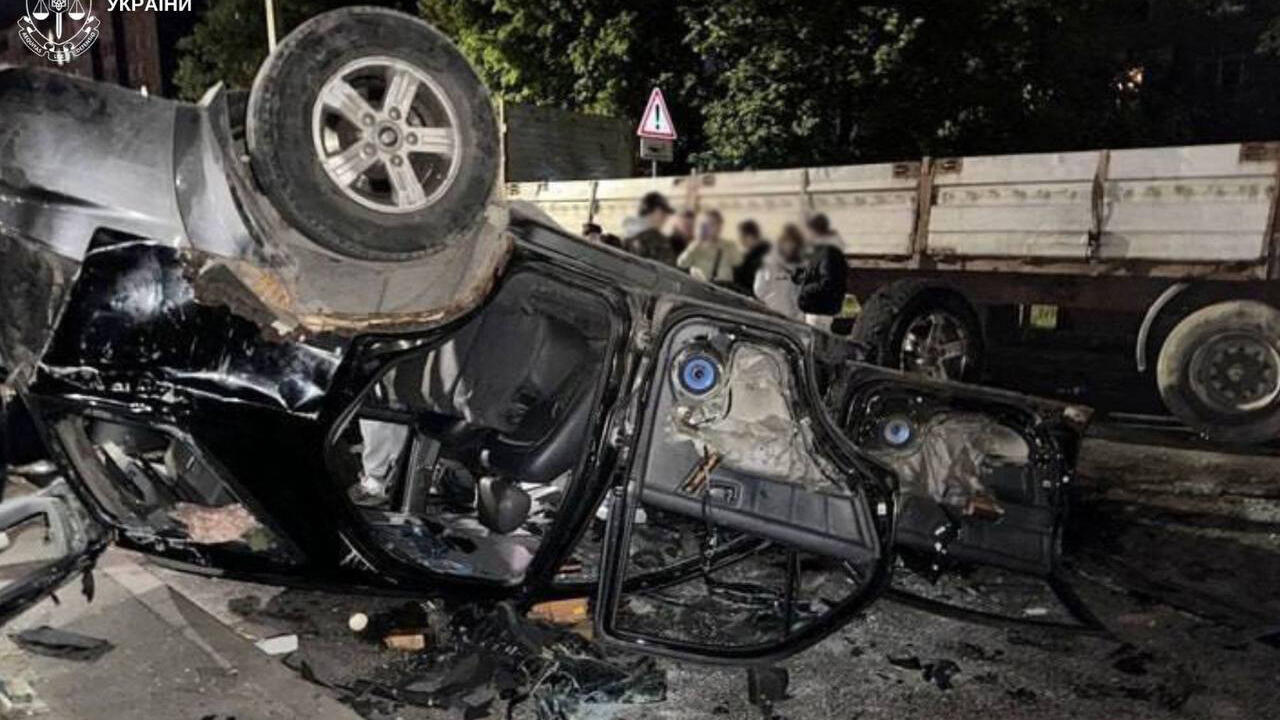
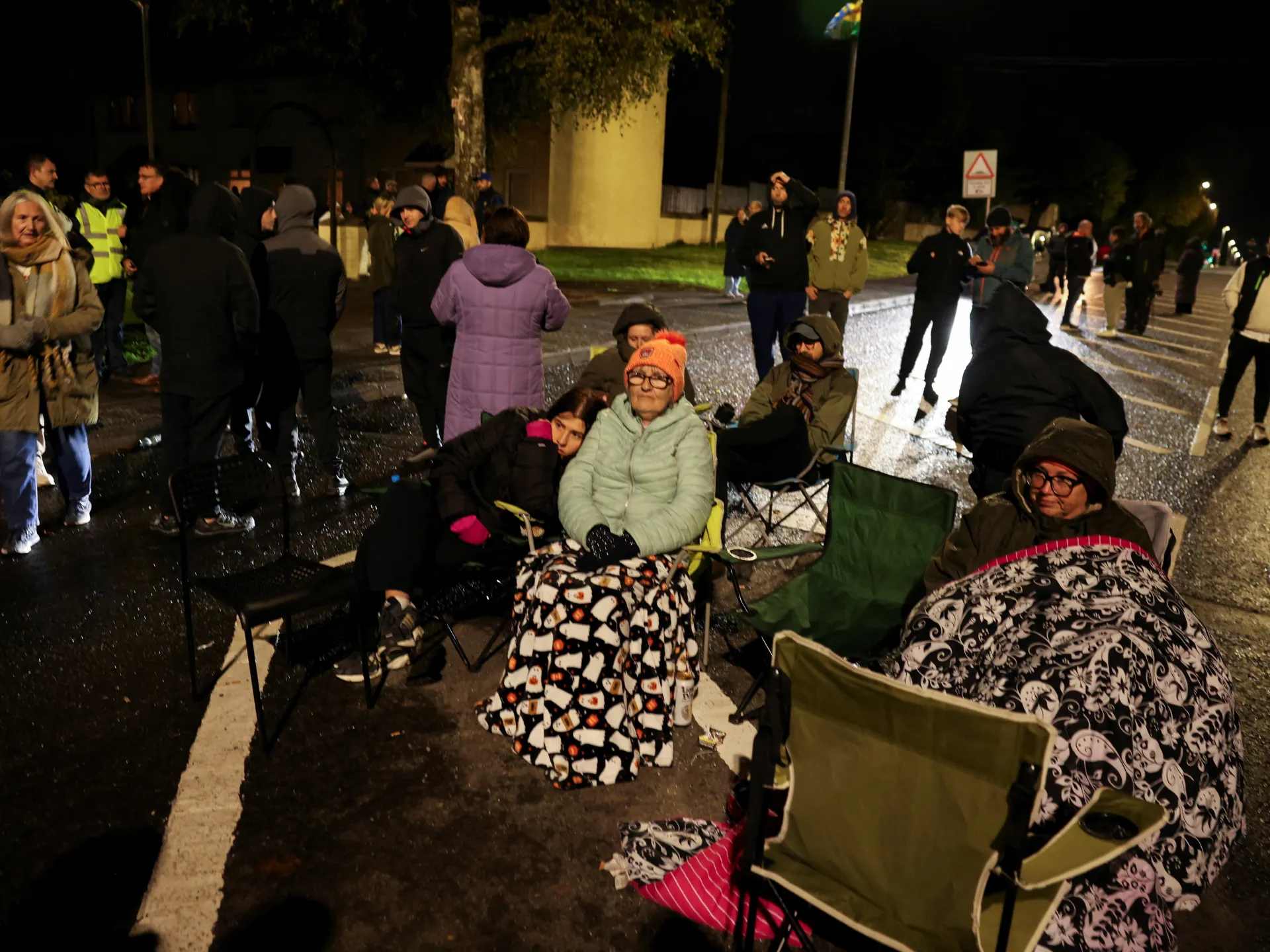
Violent clashes erupted in Lviv last week when a crowd of approximately 200 people confronted territorial recruitment officers attempting to detain men suspected of evading mandatory military service. Witnesses reported that the crowd surrounded the officers, rocked and overturned their army vehicle, and injured a police officer who intervened. The incident underscores a sharp rise in hostility toward conscription efforts, with clashes involving draft officers increasing from five in 2022 to 341 in 2025, and nearly 120 in the first four months of 2026 alone.
The unrest highlights Ukraine’s growing reliance on conscription amid severe manpower shortages and declining public trust in the mobilisation process. As the Russian invasion enters its fifth year, the number of violent confrontations with draft officers continues to rise sharply. In 2022, police reported just five cases of people attacking draft officers, but by last year, that number had risen to 341. Just shy of 120 such clashes took place in the first four months of 2026, including a fatal stabbing of a draft officer in April.
Complaints about draft officers to Ukraine’s Parliament Commissioner for Human Rights have risen steeply since the war began. In 2022, just 18 complaints were recorded. Last year, there were 6,127. Some 1,657 complaints about draft officers’ behaviour were registered in the first four months of 2026. Ryhor Nizhnikau, a senior research fellow at the Finnish Institute of International Affairs, said that the urgent need for troops to hold back Moscow’s grinding advance had put enormous pressure on the mobilisation effort.
In January, Ukraine’s newly appointed Defence Minister Mykhailo Fedorov announced that an estimated two million Ukrainians were evading the draft. For the first time, he put an official figure on the number of troops believed to have abandoned their posts without leave – some 200,000 people. More than four-fifths of desertions are believed to take place during basic training. It is not a situation that Kyiv can safely ignore.
In June, Fedorov announced the outlines of a sweeping reform to the country’s military service. Alongside dramatic pay rises for frontline troops, the reform will introduce fixed-term contracts for troops ranging from six to 14 months. The defence ministry also hinted that some of the country’s longest-serving troops could be demobilised by the end of the year. Fedorov also announced that Kyiv would be stepping up its recruitment of foreign fighters. Foreign volunteers, particularly from Latin America, have already begun to fill the Ukrainian army's ranks. Under this fresh recruitment drive, he said, foreign nationals would eventually comprise up to half of the country’s high-risk infantry and assault troops.
That unhappiness has at times taken on a bitter edge. Late last week, several of the people who had taken part in the Lviv clashes – including teenagers – appeared on camera apologising to soldiers for their actions. One man, who described himself as being absent without leave, pledged to return to the front. Another promised to enlist to fight. The videos were posted by military Telegram accounts, including that of Dmytryo Kukharchuk, a deputy commander in the 3rd Army Corps and one of the leaders of the far-right National Corps party.
Nizhnikau said there was a huge conflict between different social groups, because one of the key issues is that people who are now in the army see that there are no lines of people who want to serve, and mobilisation is done by force. So they see it as, okay, I might be demobilised in two years, but they don't recruit people who will come in. And civilians don't want to mobilise for a plethora of reasons – so there is also a very clear civic-military divide.