Ukraine strikes cripple Sevastopol power grid as Kyiv intensifies Crimea isolation strategy
Ukrainian attacks on energy infrastructure in Russian-occupied Crimea have triggered significant power disruptions in Sevastopol, coinciding with a broader campaign to sever logistical supply lines to the peninsula.
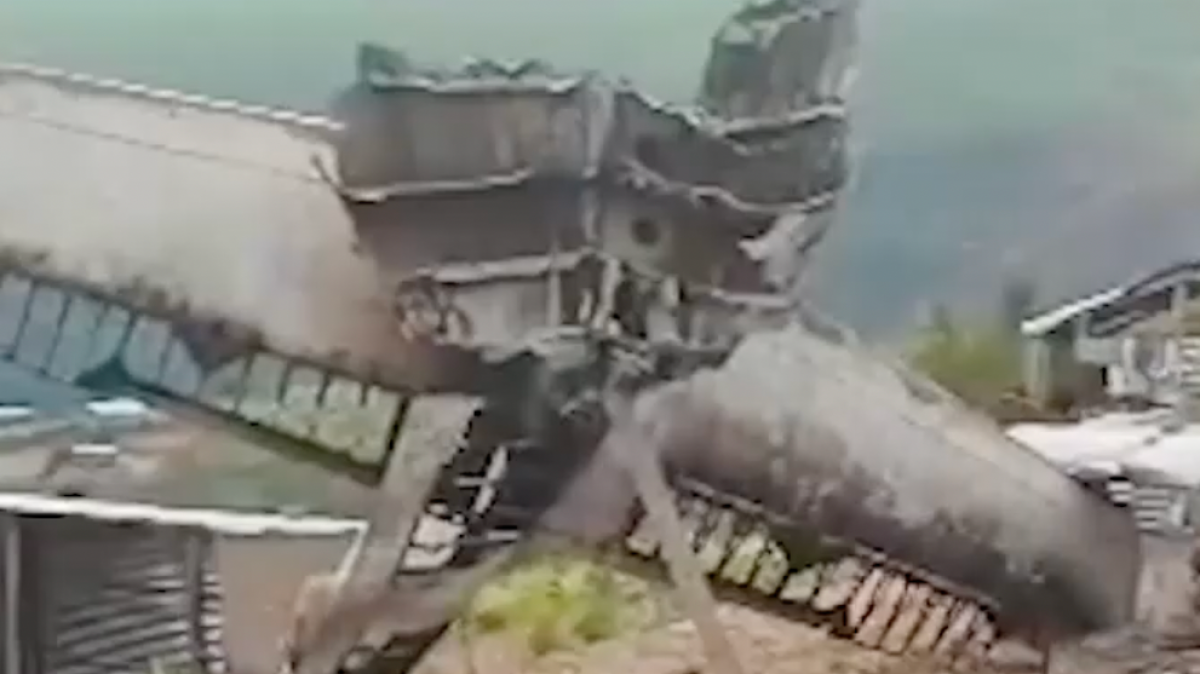
Ukrainian strikes on energy facilities in Sevastopol, the largest city in Russian-occupied Crimea, have caused widespread power outages, according to statements from both sides. Moscow-installed governor Mikhail Razvozhayev reported the disruptions after Ukrainian forces targeted infrastructure in the city, urging residents to conserve battery power and keep children at home as temperatures approach 30 degrees Celsius. Trolleybus services were suspended, and some areas remained without electricity until at least Wednesday evening.
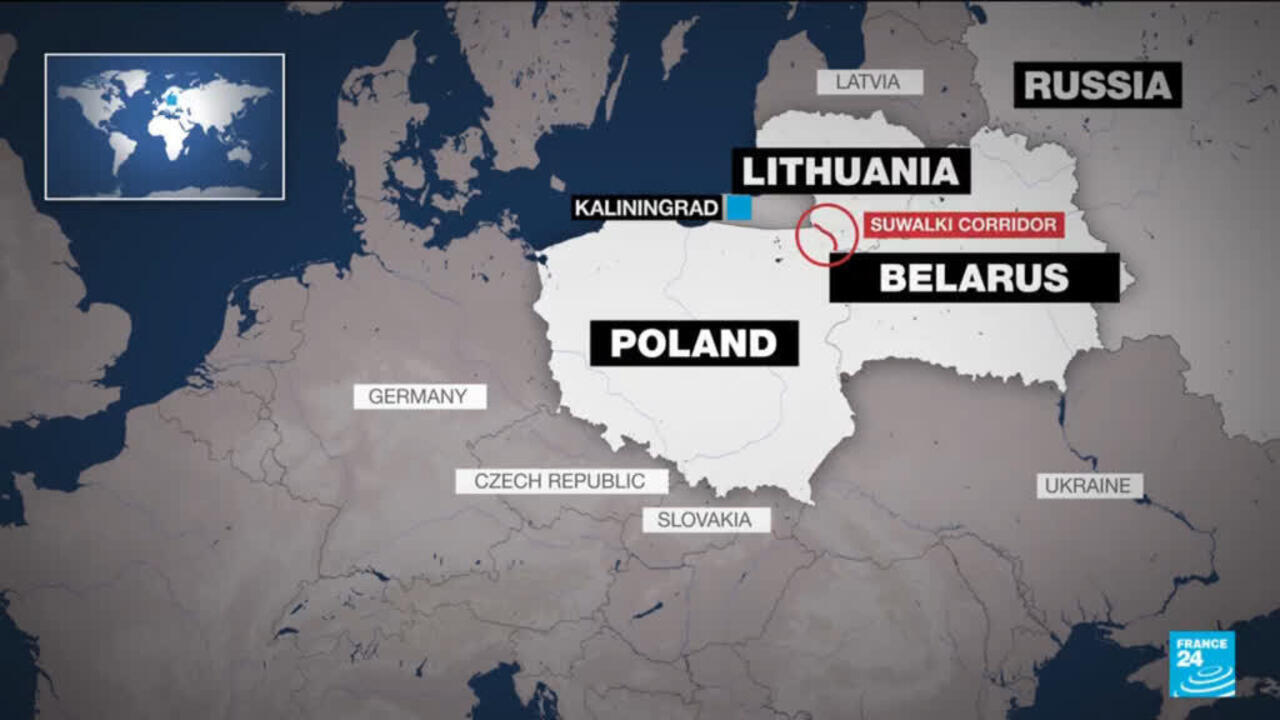
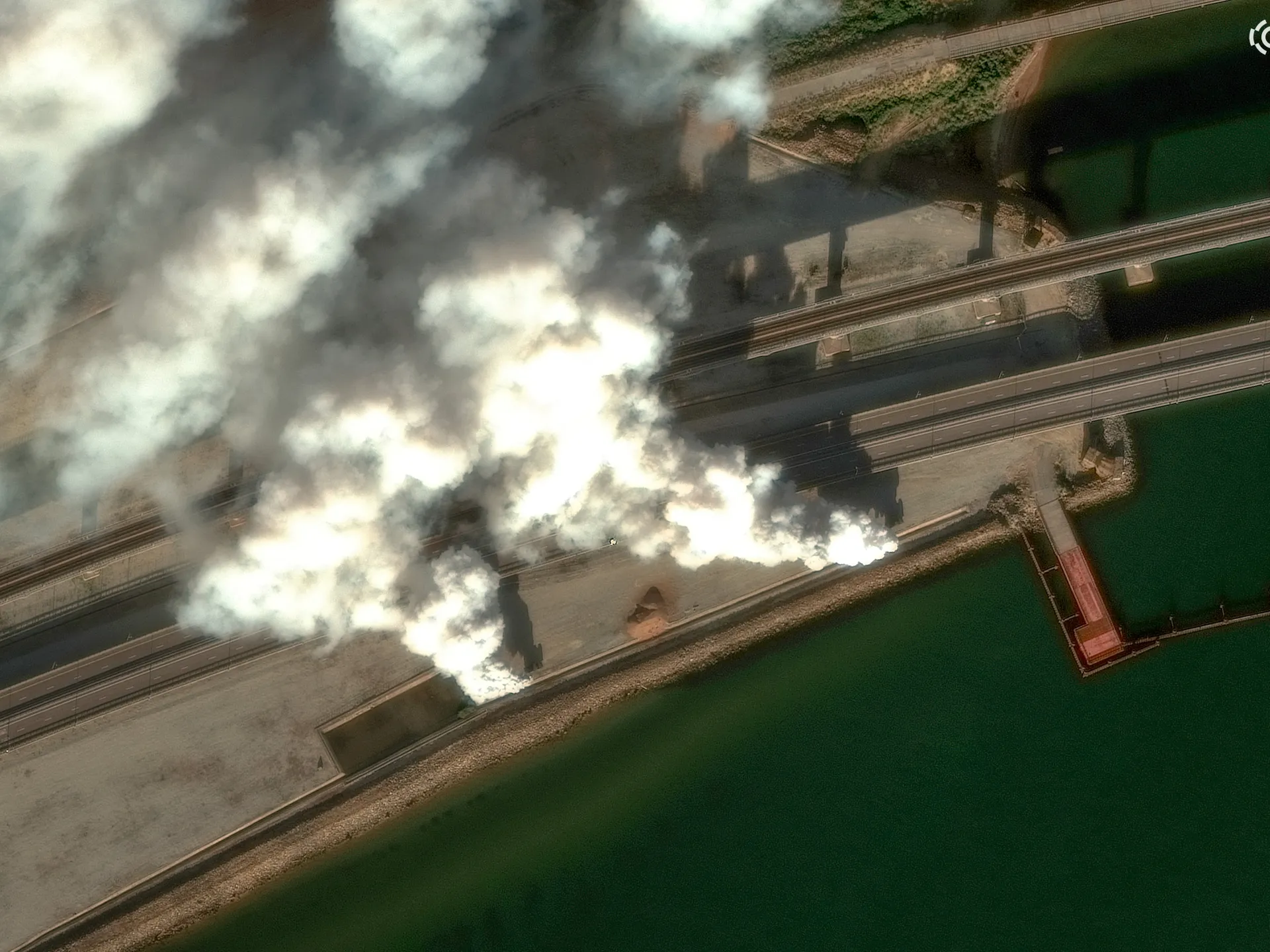
The attacks coincide with a broader Ukrainian effort to isolate Crimea and disrupt Russian logistics. Crimea has suspended fuel sales to the public as Kyiv’s army targets Russian supply lines and hits oil refineries and depots across southern Russia. Ukrainian Defence Minister Mykhailo Fedorov stated that Kyiv’s forces are “isolating Crimea with drones,” predicting the peninsula could become an “island” with “unexpected consequences” for Russia. Kyiv confirmed strikes on a railway bridge, a power plant, and other key infrastructure in the region.
Concurrent violence has extended beyond the peninsula. Separate Ukrainian drone attacks resulted in two fatalities in Russia’s Nizhny Novgorod region and one in the Belgorod border region. Meanwhile, a Russian drone attack killed a 56-year-old woman in Ukraine’s Kharkiv region. Russian-held parts of Ukraine’s nearby Kherson region also experienced partial or full power cuts, according to Moscow-installed governor Vladimir Saldo.
Air defence activity remained high overnight, with Russia’s defence ministry claiming to have destroyed over 300 Ukrainian drones. Kyiv’s air force reported shooting down 95 of 101 Russian drones launched overnight. Razvozhayev described the strikes as treacherous attempts to deprive residents of normal living conditions and sow panic, while asking parents to keep children at home and residents to help vulnerable neighbours.
Diplomatic efforts to resolve the conflict remain stalled. US-led talks to end the war, described as Europe’s deadliest since World War II, have remained frozen. Washington’s attention has been diverted to the Middle East following strikes on Iran in late February, which have led to Iranian threats against vessels in the Strait of Hormuz and broader regional instability.