Ukraine reshuffles defence leadership amid strategic debate over warfare doctrine
Kyiv replaces top brass despite reporting best military performance in three years, as disagreements over drone strategy and artillery reliance come to a head.
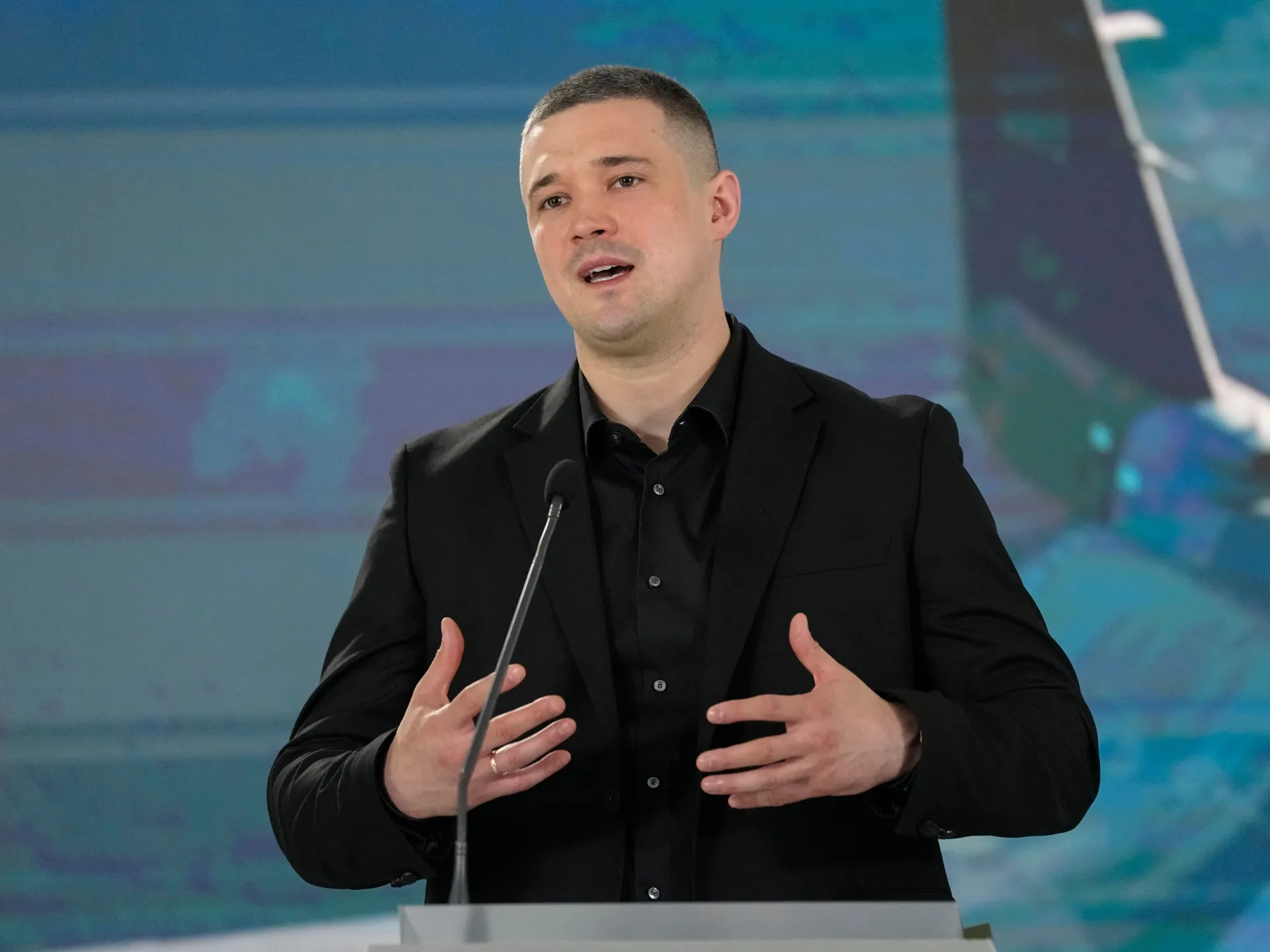
Ukraine has dismissed Defence Minister Mykhailo Fedorov and Commander-in-Chief Oleksandr Syrskii in a simultaneous shake-up of its military and political defence leadership. The move follows a period of improved military performance, with Ukraine reporting its best results in three years against Russian forces. The dismissals appear linked to internal disagreements over war strategy, particularly regarding the reliance on unmanned systems versus traditional artillery and infantry. Despite the leadership changes, Ukraine continues to report significant gains, including disruptions to Russian logistics, energy infrastructure, and grain exports, while Russia has increased its use of ballistic missiles in retaliation.
The timing of the leadership changes has drawn attention given Ukraine’s recent operational successes. According to the Institute for the Study of War, a Washington-based think tank that assesses territorial movements using geolocated open sources, Russia has achieved a net gain of just 81.1 sq km in 2026, marking its worst year of the war for manpower losses, territory, and economic performance at home. Ukraine’s defence ministry reported that some 193,500 Russian troops have been killed or seriously wounded, with Commander-in-Chief Syrskii noting an average of 32,000 losses per month. In contrast, Ukraine’s Foreign Intelligence Service estimates that Russia is unable to reach its recruitment targets.
The core of the disagreement appears to centre on the balance between unmanned warfare and conventional forces. Syrskii, who created the world’s first Unmanned Forces Command, the SBS, had overseen a strategy where First Person View drones were estimated to cause 95 percent of enemy casualties. However, Syrskii argued against fully transitioning a million-strong army to drones, stating in a column on the Militarnyi news website that the enemy remains superior in artillery, aviation, and infantry. He asserted that war strategy and planning are his responsibility as Commander-in-Chief, distinct from the minister’s role. Fedorov, meanwhile, had pressed hard for increased drone procurement, buying more in four months than the defence ministry had purchased in all of 2025, even diverting soldiers’ payroll money to swell orders.
Ukraine’s strategic focus on unmanned systems has yielded tangible disruptions to Russian operations. Robert Brovdi, commander of the Unmanned Systems Forces, reported that since June 6, Ukraine had disabled 196 fuel tankers and destroyed three-quarters of Russia’s ferry capacity across the Kerch Strait. This has forced Russia to redeploy 200 units of its own unmanned forces command, Rubicon, to protect shipping, thereby weakening its frontline. The SBS has also struck 117 electrical substations and power stations, primarily in Crimea, plunging much of the peninsula into darkness and costing Moscow an estimated five billion rubles in compensation.
In response to Ukraine’s pressure on logistics and energy infrastructure, Russia has escalated its use of ballistic missiles in nightly strikes on Ukrainian cities. Since June 26, Russia has included missiles in almost every strike, a shift from previous practices. While Ukraine claims to intercept 95 percent of drones and 87 percent of cruise missiles, it admits to intercepting fewer than half of Russia’s ballistic missiles. An analysis by Militarnyi suggested Russia was dipping into its missile reserves, using more than its monthly production capacity in early July. Meanwhile, container shipper Maersk reported diverting traffic from Ukrainian ports to Romania’s Constanta due to Russian attacks on port infrastructure, while Ukraine claims to have bottled up Russia’s grain exports via the Don river.