Ukraine Pursues Domestic Production and European Alternatives Amid Patriot Missile Shortage
With Patriot interceptor stocks critically low and Russian ballistic missile attacks intensifying, Ukraine is exploring licensed manufacturing, component transfers, and the Freya project to sustain air defence capabilities.
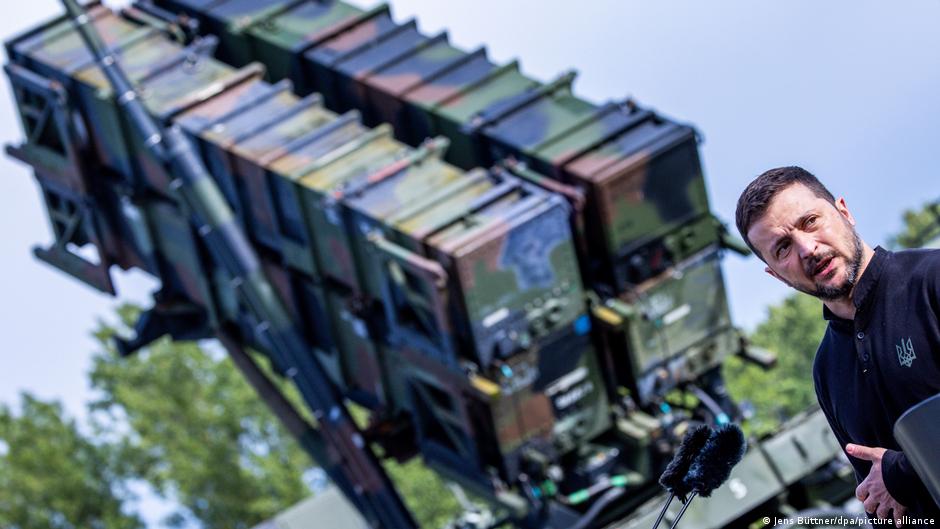
Ukraine is accelerating efforts to secure alternative air defence solutions as its stockpile of US-produced Patriot interceptor missiles nears depletion. The shortage has left Kyiv struggling to counter a sustained increase in Russian ballistic missile attacks, prompting a strategic pivot toward domestic production capabilities and European collaborative projects.
The urgency of the situation became apparent in early August, when Ukrainian forces intercepted only one of 27 ballistic missiles during a major Russian strike. President Volodymyr Zelenskyy attributed this failure to a near-total exhaustion of interceptor missiles across the nation’s eight Patriot batteries. Subsequent attacks involving additional ballistic and hypersonic missiles further highlighted the vulnerability of Ukraine’s air defence network.
Supply constraints are exacerbated by global demand and geopolitical shifts. Zelenskyy noted that Ukraine received approximately one-third of the anti-aircraft missiles in the current year compared to 2025, a decline worsened by the war in the Middle East. Meanwhile, US producer Lockheed Martin supplied 620 PAC-3 MSE interceptor missiles globally in 2025, with plans to increase annual capacity to 2,000 units over a seven-year period. This output is insufficient to meet the immediate demands of the conflict, where Russia is estimated to produce 60 to 65 Iskander-M missiles monthly and has received around 150 ballistic missiles from North Korea since late 2023.
In response, Kyiv is pursuing a multi-pronged strategy that includes licensed production in Ukraine and transfers from other nations. Following a meeting between Zelenskyy and US President Donald Trump in Washington, initial reports suggested a political decision had been reached to grant Ukraine licenses for Patriot production. However, Trump later cautioned that US approval for such technology transfer had not yet been granted, urging care in the process. Discussions are now reportedly focusing on a model where components are manufactured in Ukraine while missiles are assembled in Germany, or on Kyiv’s participation in producing a cheaper variant of the interceptor.
Parallel to these negotiations, Ukraine is advancing the European-Ukrainian missile defence project known as Freya. Led by Ukrainian manufacturer Fire Point, the initiative aims to develop an interceptor missile costing less than €1 million, significantly undercutting the $5 million price tag of modern Patriot PAC-3 missiles. The project involves over a dozen European arms manufacturers and targets a prototype by the first half of 2027. While the French-Italian SAMP/T system is considered a potential alternative, it is not viewed as a short-term solution due to limited stock of Aster-30 interceptors and the gradual availability of the new-generation SAMP/T NG.
The timeline for establishing domestic production remains uncertain. Olha Stefanishyna, Ukraine’s outgoing ambassador in Washington, estimated that setting up Patriot missile production in Ukraine could take between 12 months and five years. The complexity of manufacturing modern interceptors, which require specialized components such as seeker heads and missile motors, presents significant logistical hurdles. Until these long-term solutions are viable, Ukraine continues to rely on diplomatic efforts to secure transfers from other countries and maintain its defensive posture against escalating Russian strikes.