Ukraine President Zelenskyy Dismisses Cabinet in Strategic Reshuffle
Analysts attribute the sudden government overhaul to corruption investigations involving the US ambassador, armed forces scandals, and a power shift following the departure of presidential chief Andriy Yermak.
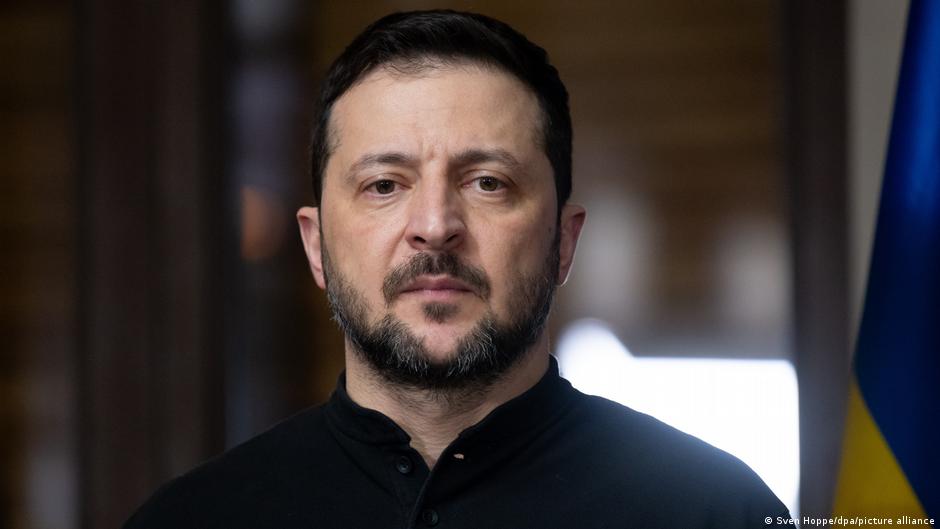
Ukraine’s parliament has approved the resignation of Prime Minister Yulia Svyrydenko, effectively dismissing the entire government after less than a year in office. The move follows President Volodymyr Zelenskyy’s announcement on social media that he has offered Svyrydenko a new position, with media reports suggesting she may become Ukraine’s ambassador to the United States. Zelenskyy praised Svyrydenko’s “clear, steady and effective work” and stated his expectation that parliament would facilitate the necessary changes to the executive branch.
The reshuffle comes amid intensifying scrutiny of Ukraine’s military conduct and diplomatic relations. Political analysts point to a corruption investigation into current US Ambassador Olga Stefanishyna as a significant catalyst. Ihor Reiterovych, a political scientist at Taras Shevchenko National University in Kyiv, suggested that Washington may have signaled discomfort with the scandal, prompting Zelenskyy to act. Reiterovych noted that Svyrydenko had established strong contacts with American partners through her work on raw materials agreements, making her a suitable candidate for the diplomatic post.
Domestic pressures also appear to be driving the decision. Recent investigative reports have uncovered allegations of torture, cruel treatment of recruits, and cover-ups of non-combat deaths within the armed forces. Concurrent inspections have revealed irregularities in conscription, including the mobilisation of medically unfit men. Reiterovych argued that rotating personnel could help Zelenskyy distance himself from these military scandals and address communications problems with Defence Minister Mykhailo Fedorov.
The timing of the dismissal also coincides with a shift in presidential power structures. Andriy Yermak, former head of the presidential office and a key figure in Zelenskyy’s inner circle, recently resigned. Vadym Denysenko of the DSNews analytical unit observed that Svyrydenko’s role had become redundant following Yermak’s departure, as she previously served as an executor of policy within that specific power dynamic. Oleksiy Haran, another political scientist, suggested the reshuffle is an attempt by the presidential office to strengthen its control over the executive branch, asserting Zelenskyy’s authority over the legislature.
Zelenskyy has initiated talks with potential successors, including Energy Minister Denys Shmyhal and Sergii Koretskyi, head of the state-owned energy company Naftogaz. Haran indicated that resolving Ukraine’s energy sector issues is a likely factor in selecting a new prime minister, with Koretskyi viewed as a strong candidate. Volodymyr Fesenko of the Penta Center for Applied Political Research noted that Zelenskyy often bundles personnel decisions into broader packages, with changes to law enforcement agencies also expected. Despite the parliamentary system, observers largely agree that the legislature is expected to endorse the president’s chosen candidate.