Ukraine announces military reforms to address manpower crisis and soldier exhaustion
The proposed changes aim to replace open-ended contracts with time-based criteria for early mobilised personnel while increasing frontline infantry salaries to combat recruitment shortages.
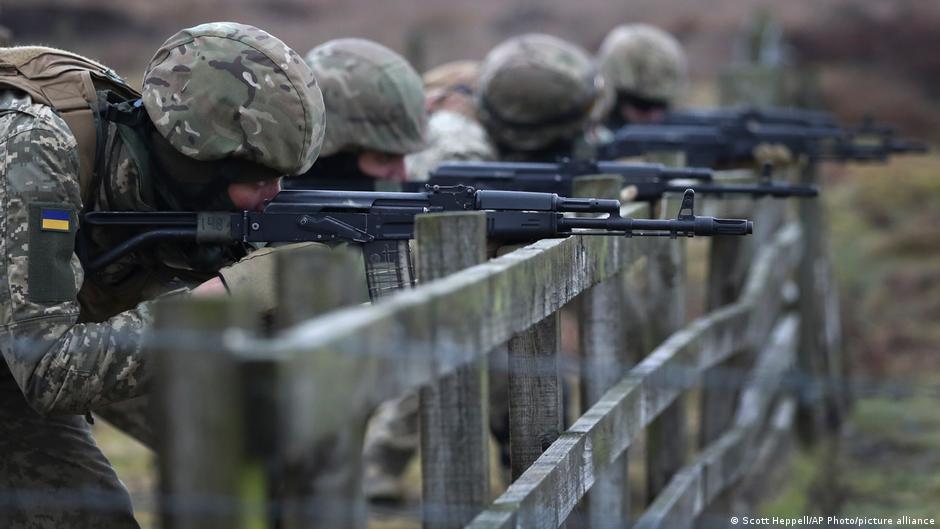
President Volodymyr Zelenskyy has announced a package of military reforms designed to tackle acute manpower shortages and morale issues within the Ukrainian armed forces. The measures, which are scheduled to commence in June, focus on enhancing financial support for service members and restructuring the tenure of long-serving personnel. These institutional adjustments come as the conflict with Russia enters its fifth year, a period marked by significant strain on recruitment and retention.
The core of the reform involves a substantial increase in remuneration for frontline infantry. Under the new framework, monthly salaries for troops deployed at the front or behind enemy lines for thirty days will rise to between 250,000 and 400,000 hryvnias. This represents a significant jump from the current maximum of approximately 170,000 hryvnias, with estimates suggesting the new rates equate to roughly $5,700 to $9,000 AUD. Non-combat personnel are also set to see their monthly pay increase from 20,000 to 30,000 hryvnias.
A critical component of the policy shift is the introduction of a phased discharge system for personnel who were mobilised at the start of the war. This initiative aims to replace the existing system of open-ended contracts with clear, time-based criteria for demobilisation. While the President confirmed that specific timelines for discharge have not yet been finalised, the move signals an institutional intent to address soldier exhaustion and the psychological toll of prolonged engagement.
The reforms arrive amidst a backdrop of severe recruitment challenges. Following the initial surge of volunteers in 2022, the military has increasingly relied on conscription, a practice that has drawn repeated criticism for heavy-handed implementation. Reports indicate widespread issues, including forced detentions, street abductions known as busification, and cases of soldiers going absent without leave. Furthermore, allegations suggest that corruption enables wealthy or well-connected individuals to evade service through bribes, complicating the government's efforts to maintain adequate troop levels.
While the administrative reforms were announced, operational activity on the ground continued unabated. Ukrainian forces reported striking an oil terminal in the Black Sea port of Tuapse, a facility that has been targeted multiple times in recent months. Conversely, Russian aerial campaigns intensified against Ukrainian territory, with reports of over 50 drones launched at Ternopil, resulting in at least ten injuries. Additional strikes were recorded in Odesa and other regions, damaging residential infrastructure and port facilities.
President Zelenskyy highlighted the strategic economic impact of these ongoing operations, noting that Ukrainian drone attacks have caused at least $7 billion in damages to Russia's oil industry this year. He argued that these strikes have significantly curtailed Russian oil revenues, thereby impacting the financial drivers of the war effort. The combination of domestic military reforms and sustained pressure on Russian economic assets underscores the dual-track nature of Ukraine's current strategy.