Ukraine and Russia signal readiness for new US-mediated talks in October
After months of stalled negotiations, Kyiv and Moscow are preparing to resume trilateral talks under American mediation, with Ukraine seeking immediate de-escalation on energy and grain issues to survive the winter.
Ukraine and Russia have indicated they are preparing to resume trilateral negotiations under US mediation, with a new round of talks potentially commencing in October 2026. Kyrylo Budanov, head of the Ukrainian president's office, stated that preparations are underway for the October timeframe, while Kremlin spokesman Dmitry Peskov confirmed that Moscow does not rule out the possibility in the foreseeable future.
The diplomatic push follows visits by US envoys Steve Witkoff and Jared Kushner to Moscow and Kyiv in the first week of September. Their mission was to revive a process that had stalled after talks in Abu Dhabi and Geneva in early 2026 failed to resolve disputes over territorial control in eastern Ukraine.
The core of the disagreement remains the extent of Russian territorial demands. Jared Kushner noted that Vladimir Putin seeks more territory than Russia currently controls, a position Ukraine has not yet accepted. While the Ukrainian government has expressed willingness to freeze fighting along the current frontline in exchange for security guarantees, a poll by the Kyiv International Institute of Sociology conducted in summer 2026 found that 60% of Ukrainians support this approach, while a similar majority rejected ceding territory not yet conquered by Russian forces.
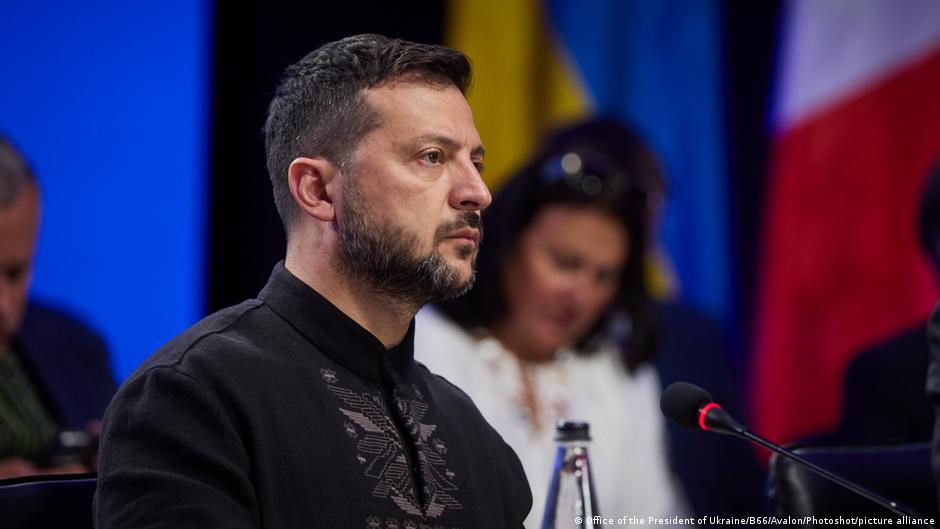
As winter approaches, Ukraine is prioritising a partial de-escalation of attacks on energy infrastructure and the unblocking of grain exports via the Black Sea. President Volodymyr Zelenskyy described these as the immediate steps required to bring the parties to the negotiating table, citing the severe blackouts and heating shortages experienced during the 2025 winter. Russia, however, has rejected the concept of a full ceasefire for the upcoming discussions.
The negotiation dynamic is further complicated by the air war, where Russia holds a significant advantage due to Ukraine’s limited interceptors for ballistic missiles and the emergence of faster jet-powered drones. UK National Security Adviser Jonathan Powell described the current escalation as a sign of success for Kyiv’s strategy to force Russia to the table, urging Western backers to maintain pressure.
Despite the momentum, structural hurdles remain. The Kremlin has rejected a proposal for a direct meeting between Ukrainian and Russian leaders on the sidelines of the G20 summit in Miami, preferring to negotiate with US President Donald Trump. Zelenskyy maintains that territorial issues require resolution at the presidential level, whereas the Kremlin suggests that if talks proceed in October, they will be conducted by negotiating teams rather than the heads of state.