Ukraine advances security and energy deals in Saudi Arabia as EU loan clears
President Zelenskyy finalises strategic arrangements in Jeddah as the Kremlin signals uncertainty over Putin's G20 presence and the Russian economy contracts
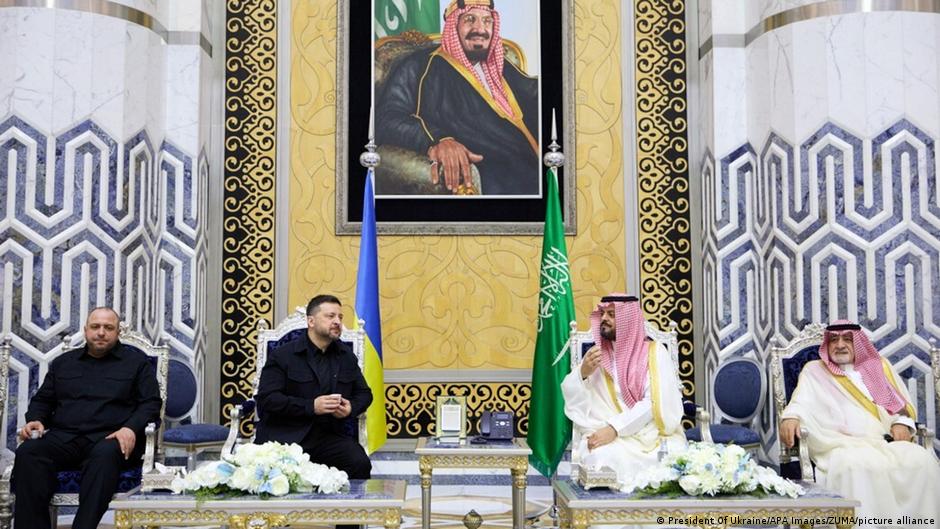
President Volodymyr Zelenskyy has concluded a diplomatic engagement in Jeddah, Saudi Arabia, aimed at cementing a strategic security arrangement between Kyiv and Riyadh. During his visit, which marks a second trip to the Gulf state in recent weeks, Zelenskyy outlined a framework covering the export of Ukrainian air defence capabilities, energy cooperation, and food security. The initiative positions Kyiv as a source of hard-earned expertise in counter-drone warfare, offering these services to Gulf states in exchange for financial and military support.
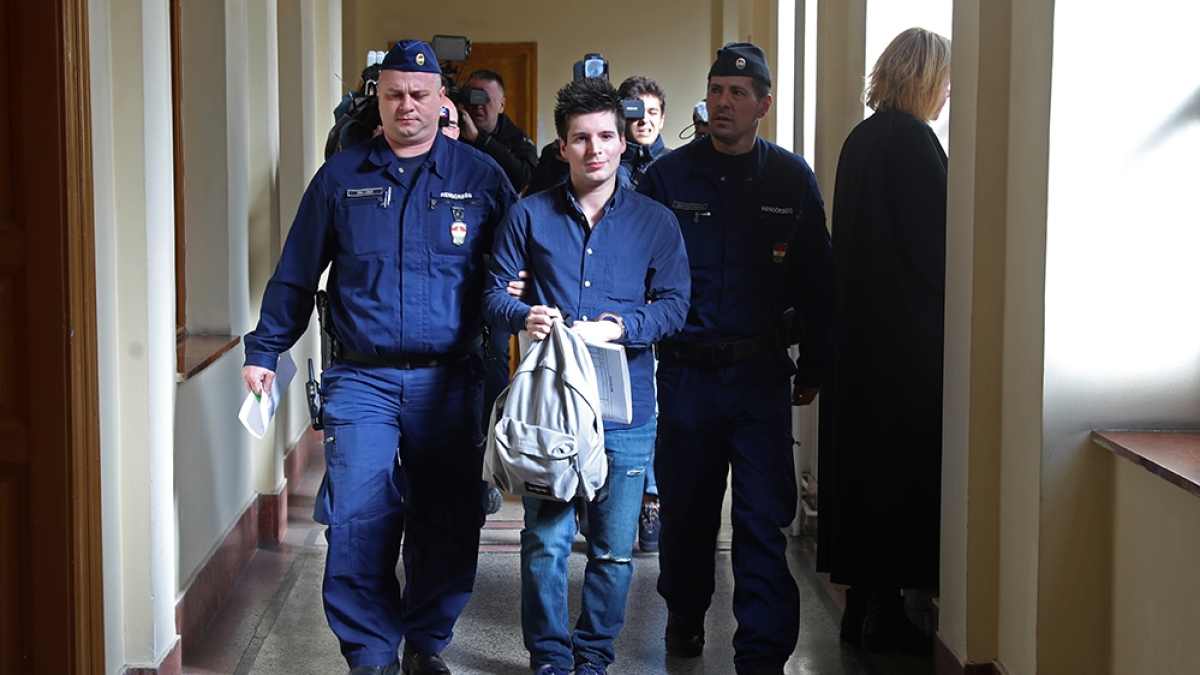
This diplomatic push coincides with significant developments in European funding. The European Union has formally approved a €90 billion loan package for Ukraine, a decision facilitated by the removal of Hungary's veto following the electoral defeat of Prime Minister Viktor Orban. While German Chancellor Friedrich Merz confirmed that Berlin will not reduce its planned €11.5 billion military aid despite the broader loan approval, European Council chief Antonio Costa cautioned that full membership negotiations remain a long process without a set timeframe.
Conversely, the Kremlin has indicated that President Vladimir Putin's attendance at the upcoming G20 summit in Miami remains undecided. Kremlin spokesman Dmitry Peskov stated that the President "may go... or he may not go," though a representative is expected to attend. US President Donald Trump has expressed hope for Putin's personal presence, noting that Russia's expulsion from the G8 was a mistake, although he admitted doubts regarding the likelihood of attendance.
Domestically, the Russian economy is showing signs of strain, contracting by 1.8% in the first two months of 2026. In response to this slowdown, the Central Bank has cut interest rates by 50 basis points to 14.5%, a move intended to reinvigorate growth. Central bank governor Elvira Nabiullina warned that ongoing conflict in the Middle East remains a factor of uncertainty that could further strengthen adverse effects on the Russian economy if the situation drags on.
On the front lines, Ukraine continues to grapple with severe logistical challenges. Two senior officers have been removed from their posts for falsifying battlefield reports and failing to ensure adequate supplies reached troops near Kupiansk. Reports from families of service members describe soldiers suffering from significant weight loss and going days without food or water, highlighting the difficulties in maintaining supply lines under active Russian attacks.
Despite these internal pressures, Kyiv has also secured a prisoner swap involving 193 captured soldiers each, mediated by the United States and the United Arab Emirates. President Zelenskyy confirmed the return of Ukrainian personnel from the army, National Guard, Border Guard, and National Police, emphasising the importance of exchanges as people return home to defend the nation.