UK sets August 27 for plug-in solar legalisation
New interim specifications cap DC output at 2000W, though typical user outputs are expected to be lower.
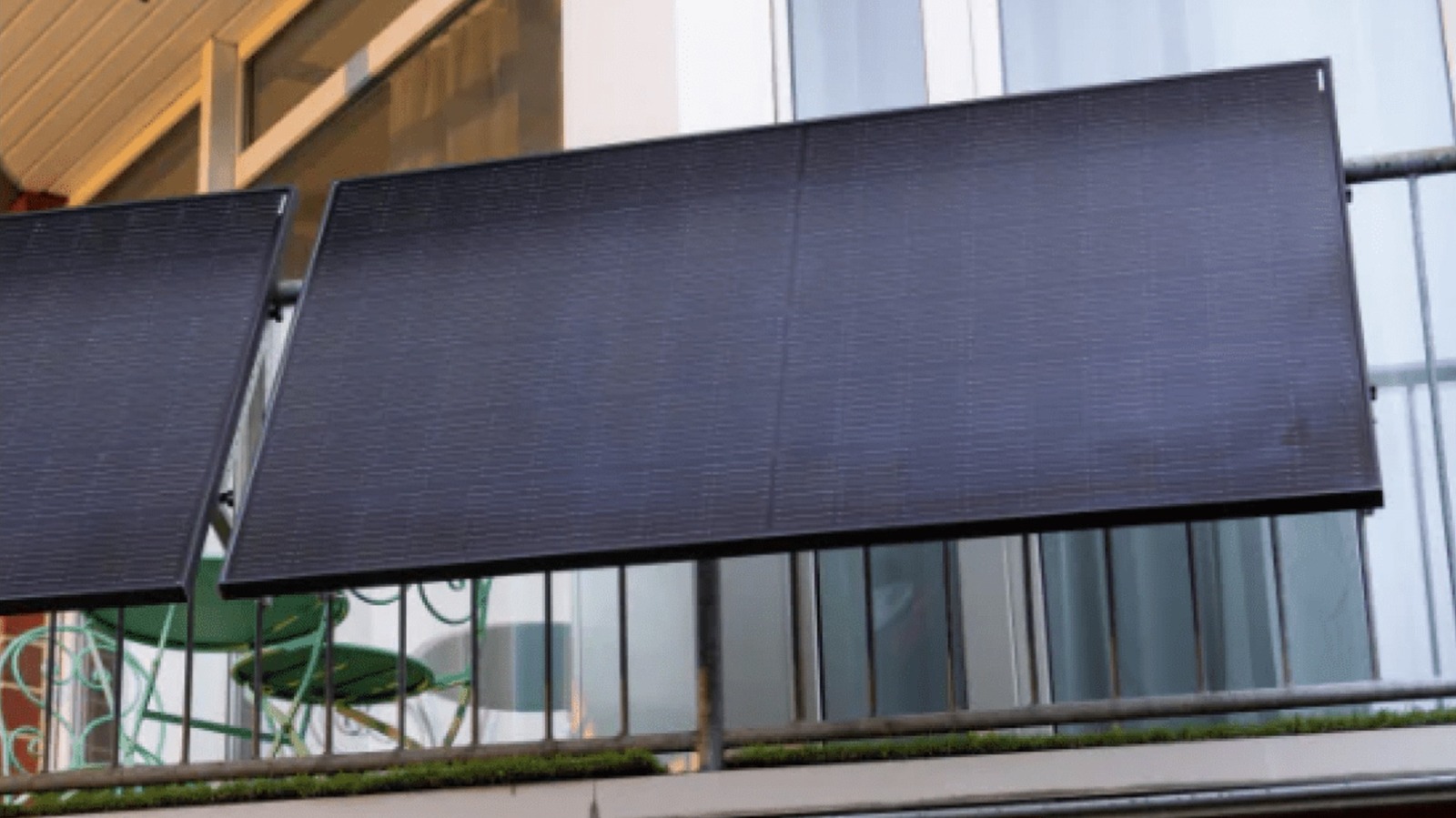
The UK government has formally established August 27 as the date for the legalisation of plug-in solar panels, fulfilling a commitment made earlier this year to assist households in reducing energy costs. The regulatory changes, which were quietly published by the UK government, permit consumers to purchase approved kits and connect them directly to standard wall sockets.
An interim specification for domestic plug-in solar setups, published earlier this month, outlines the technical parameters for the new devices. Mirroring the German model regarding output caps, the maximum DC output from the panels is restricted to 2000W. However, expected user outputs are anticipated to be closer to 960W, with micro-inverters limited to an output of no more than 800 volt amps.
The legislation aims to come into effect before the end of the summer, allowing users to take advantage of remaining sunlight before the transition to autumn. While the timing aligns with the government's pledge to have the framework in place, the practical application of these rules remains subject to market readiness.
It remains uncertain how many companies will be able to get their compliant hardware into stores by the August 27 deadline. The market availability of approved kits is a key variable, as consumers will need access to certified products to legally utilise the new regulations.
The move represents a significant shift in domestic energy infrastructure policy, providing a new avenue for energy generation. Industry observers will be watching closely to see which manufacturers can navigate the approval process and supply the market in time for the initial rollout.