UK Prime Minister Keir Starmer faces mounting pressure to resign following historic local election defeats
Analysts warn the era of two-party dominance is ending as Reform UK and the Greens fracture the political landscape
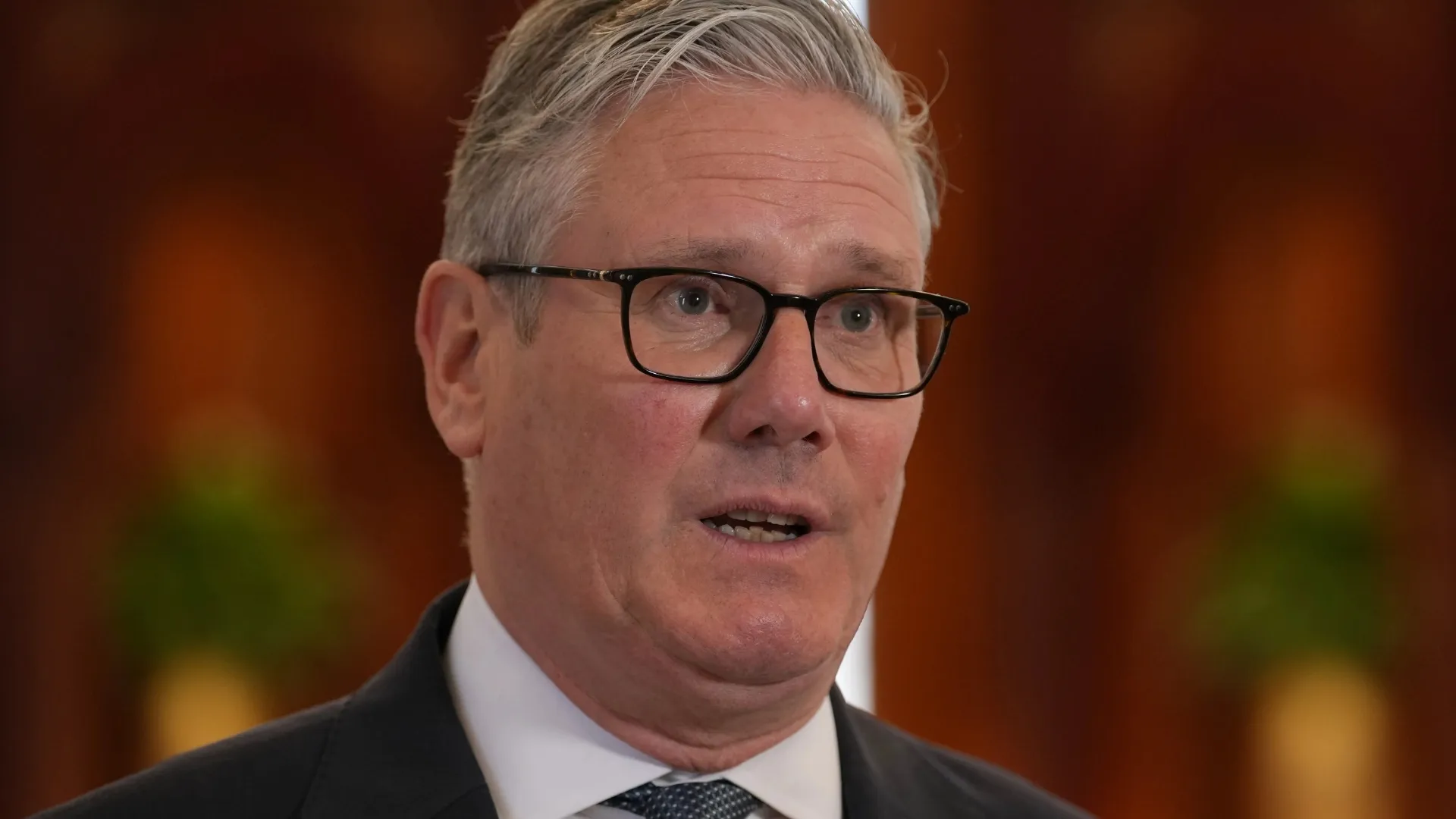
Britain's Prime Minister Keir Starmer is confronting significant calls to step down after his Labour Party suffered substantial losses in the 2026 local elections. Although the government maintains a huge parliamentary majority, the electoral results have triggered a crisis of confidence within the administration. Starmer has publicly rejected immediate demands for his resignation, yet he remains under intense scrutiny from political opponents and internal party factions on both the left and right.
The defeat marks one of the most severe setbacks for the traditional establishment parties in British history. Across England, Scotland, and Wales, the election results revealed a highly fragmented political landscape where five major parties are now vying for influence. This outcome indicates a decisive move away from the previous two-party dominance model, challenging the long-held assumption that Labour and the Conservatives would continue to dictate the nation's political trajectory.
In response to the bruising results, Prime Minister Starmer accepted full responsibility for the party's performance. He acknowledged the gravity of the situation, noting the loss of dedicated representatives who had served their communities. Starmer stated that the outcome should hurt, reflecting the deep impact of the defeat across the country. His admission of failure highlights the institutional weight of the loss, even as he maintains his commitment to the current government.
The political ramifications extend beyond Westminster, with significant leadership changes occurring in devolved administrations. First Minister Eluned Morgan of Wales has resigned following what she described as a catastrophic outcome for Welsh Labour. Her departure has triggered an immediate leadership contest within the party, underscoring the depth of the challenge facing the establishment. Morgan noted that the party must now adjust to a world where multiple parties contend for power, a reality that erodes the previous hegemony Labour held in Wales.
Political commentators are already analysing the structural implications of this fragmentation. Peter Geoghegan, editor of Democracy for Sale, Lesley Riddoch, a podcaster and author, and Tim Bale, a professor of politics at Queen Mary University of London, have identified a fundamental shift in the British political system. They argue that the traditional dominance of two major parties has eroded, leaving a complex environment where five major parties are now competing for influence in a manner never before seen in Britain.
While Starmer has rejected calls to quit, the internal dynamics of his party suggest emerging challenges from both wings. The left and right are beginning to question the direction of the government, capitalising on the perception that the Labour Party can no longer deliver the stability it once promised. As the dust settles on the 2026 local elections, the focus shifts to whether Starmer can navigate these internal fractures or if the pressure to resign will eventually become insurmountable.