UK net migration halves as Labour government tightens border controls
Interior Minister Shabana Mahmood cites restored order, while employers warn of sectoral labour shortages
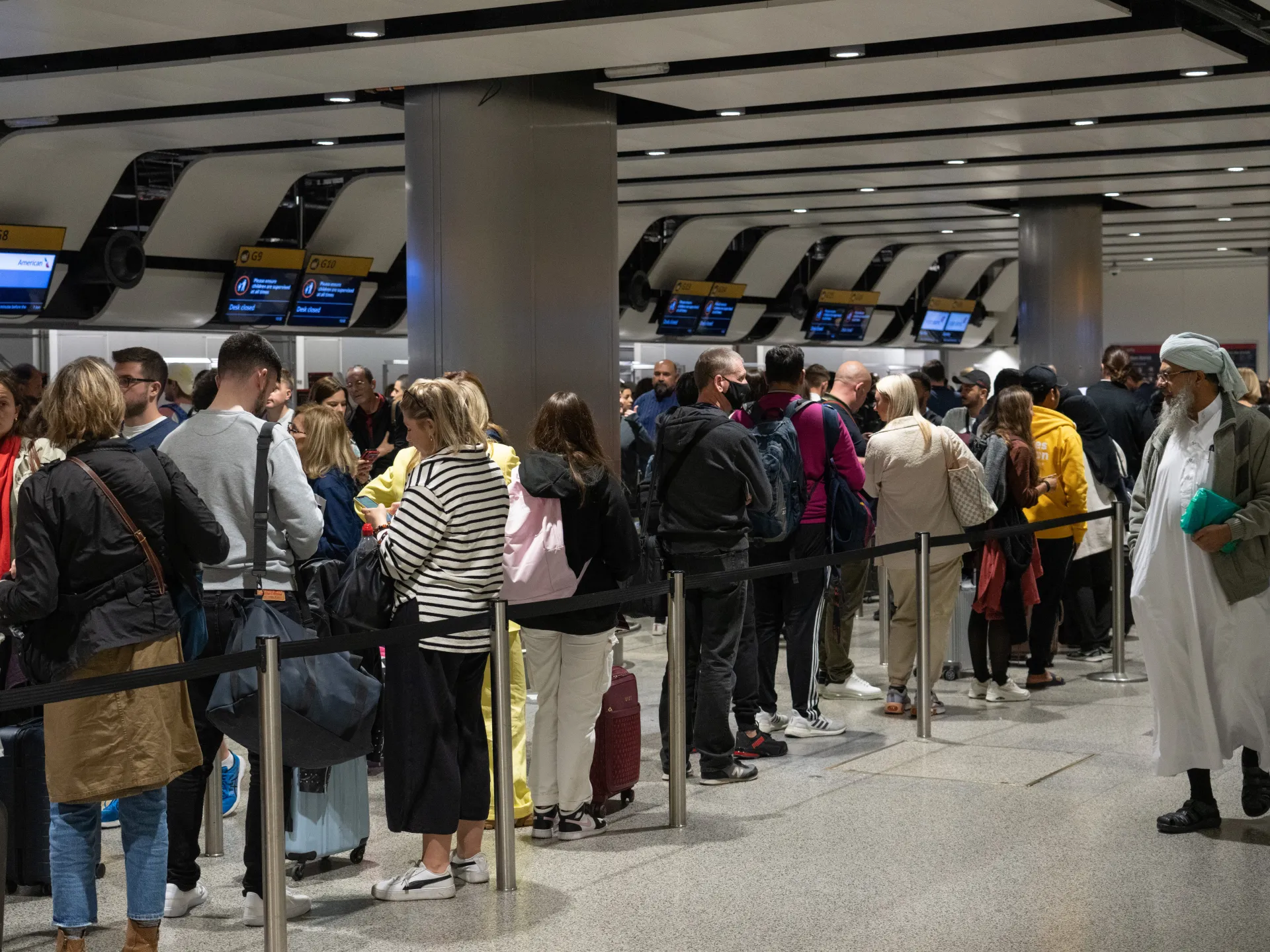
Net migration to the United Kingdom has nearly halved in 2025, falling to 171,000 in the 12 months to the end of December, according to figures released by the Office for National Statistics (ONS). The data marks a significant decline from the 331,000 recorded in the same period the previous year and extends a sharp reduction from the record peak of 944,000 seen in 2023. The latest figures bring long-term net migration levels close to those observed before the post-Brexit immigration system was introduced in 2021.
The decrease follows a series of restrictive policy measures enacted by successive administrations. Starting in 2024, the previous Conservative government implemented stricter visa rules, including higher salary thresholds for skilled workers and bans on international students bringing dependents. The current Labour government has further tightened these controls, notably ending the overseas recruitment of care workers, which had been the primary driver of work-related migration in recent years.
Interior Minister Shabana Mahmood welcomed the statistical progress, stating that the government’s objective is to restore order and control to borders while implementing a new skills-based migration system. Mahmood emphasised that the policy framework aims to reward contribution and end reliance on low-wage overseas labour, asserting that the state will continue to welcome those who wish to build a better life in the UK through legitimate channels.
Despite the government’s stance, employers and economists have raised concerns regarding potential labour shortages, particularly within the care and hospitality sectors. The British Future think tank noted that the UK is experiencing one of the sharpest falls in net migration on record, a trend that contrasts with public perception, which often suggests the opposite. The ONS confirmed that long-term migration levels are now comparable to pre-2021 baselines, a period coinciding with the UK’s transition out of the European Union.
The political context for these policy shifts includes efforts to counter the populist Reform UK party, led by Nigel Farage, which campaigns on an anti-migration platform and holds a double-digit lead in opinion polls. In response to broader immigration concerns, the Labour government has announced further reforms, including plans to accelerate deportations of illegal arrivals, double the qualifying period for settled status for some workers to 10 years, and render refugee status temporary. Meanwhile, social tensions remain high, with far-right activist Tommy Robinson drawing tens of thousands to a London march on Saturday, where ethnonationalist flyers were distributed to attendees.