UK local elections signal a fracture in the traditional two-party system as Reform UK surges
Analysts warn that the shifting vote toward political extremes could fundamentally alter the governance landscape under Prime Minister Keir Starmer.
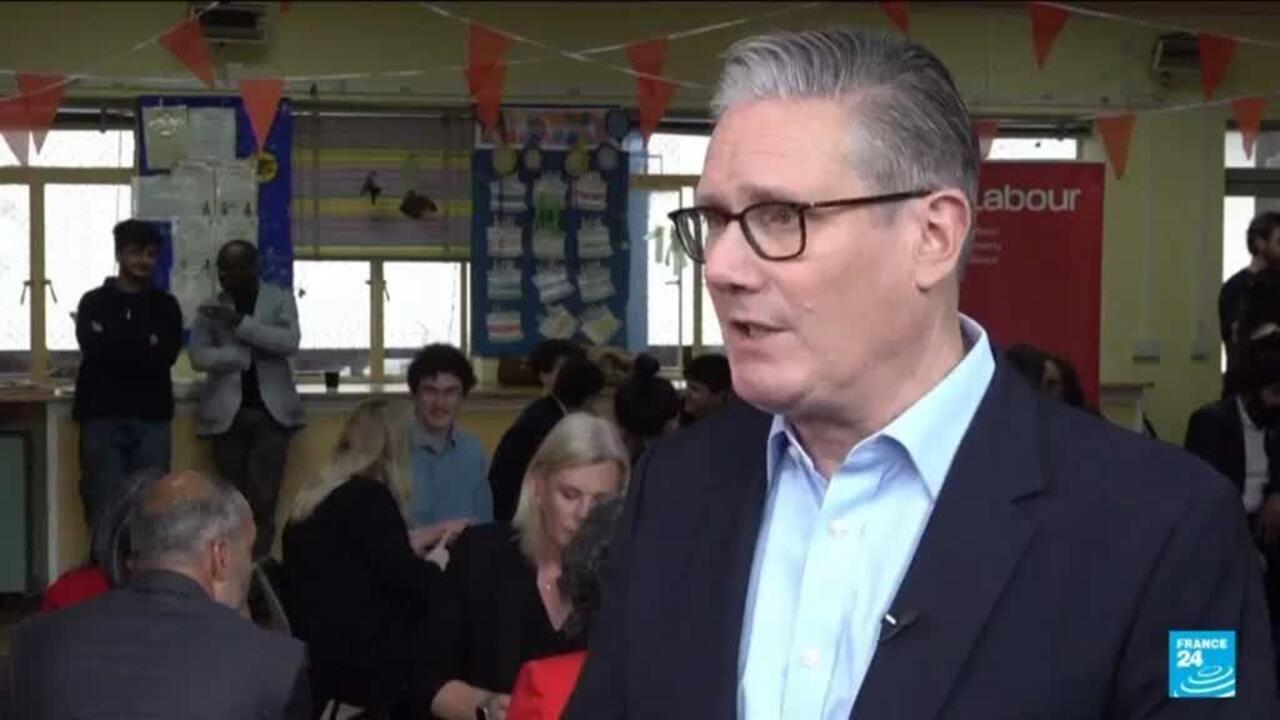
Early results from the United Kingdom local elections indicate a significant setback for Prime Minister Keir Starmer's Labour Party. The data suggests a crushing defeat for the incumbent government, with the hard-right Reform UK projected to secure approximately 400 seats. This surge involves the party taking hundreds of seats from both the Conservative Party and Labour, marking a dramatic shift in the political landscape.
While the major parties face volatility, the Greens and the Liberal Democrats recorded relatively modest but significant gains across the board. These outcomes have prompted analysts to suggest that the traditional British two-party system may be ending. The prevailing view is that voters are increasingly shifting toward the extremes of the political spectrum, moving away from the long-standing dominance of Labour and the Conservatives.
The Liberal Democrats have demonstrated resilience in specific English local areas, notably consolidating gains in Sutton and West Surrey. In Sutton, the party now holds 51 of 55 seats following the loss of all 20 Conservative councillors. However, the party's fortunes have diverged in other regions; they are ceding a historic Scottish stronghold to the SNP, highlighting a complex regional dynamic that complicates their national standing.
In Hull, the Liberal Democrats narrowly lost majority control of the council despite maintaining a presence against a surge from Reform UK. This result underscores the intense competition facing established parties as they attempt to hold ground against the momentum of the hard-right. The party's ability to retain influence in such key urban centres will be a critical indicator of its future viability.
The implications of these early returns extend beyond local governance and touch upon the stability of the current administration. The projected loss of hundreds of seats for both the Conservatives and Labour raises questions about the government's ability to maintain its policy agenda. The erosion of the traditional two-party dynamic suggests a more fragmented parliament where coalition-building or alternative governing models may become necessary.
Concurrently, the political turbulence in the UK contrasts with ongoing diplomatic efforts abroad. Buckingham Palace confirmed that King Charles' four-day state visit to the United States will proceed as planned, despite recent security incidents at the White House. The trip, which includes a private meeting with President Donald Trump, aims to strengthen US-UK relations and mark the 250th anniversary of American independence.