UK lifts ban on Russian refined fuel imports as energy crisis deepens
The Department for Business and Trade has issued an indefinite trade licence allowing imports of Russian jet fuel and diesel refined in third countries, a move ministers describe as specific and time-limited despite G7 reaffirmations of pressure on Moscow.
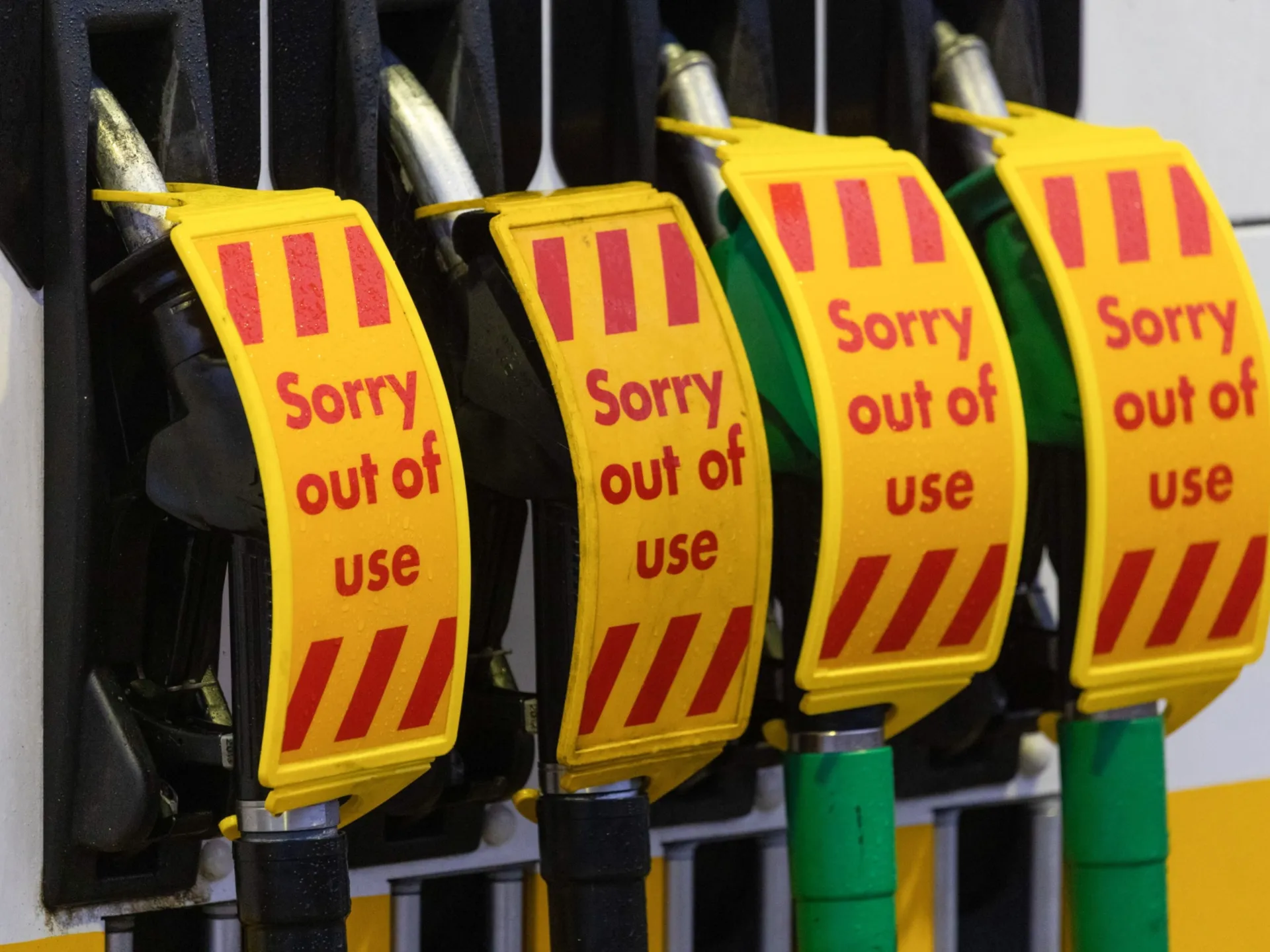
The United Kingdom government has issued a trade licence permitting the indefinite import of jet fuel and diesel refined from Russian crude oil in third countries, a move driven by surging domestic fuel costs and supply disruptions linked to the de facto blockade of the Strait of Hormuz. The licence, which came into effect on Wednesday, marks a significant reversal of previous commitments to close loopholes that allowed Russian refined products to enter Western markets via nations such as India and Turkiye.
According to the Department for Business and Trade, the new measure is of indefinite duration and subject to periodic review. The government also issued a separate temporary licence loosening sanctions on liquefied natural gas originating from certain Russian plants. Officials attributed the policy adjustment to soaring fuel prices exacerbated by the ongoing conflict in Iran and the prolonged closure of the strategic waterway, which has squeezed global oil supplies.
This decision follows a US sanctions waiver for Russian oil cargoes already at sea, which was extended on Monday for the second time. The timing has drawn sharp criticism from European counterparts. At a meeting of G7 finance ministers on Tuesday, EU economy commissioner Valdis Dombrovskis criticised the US waiver extension, stating it was not a time to ease pressure on Russia. The UK, which also attended the meeting, issued a joint statement with other G7 nations reaffirming their commitment to imposing severe costs on Moscow in response to its continued aggression against Ukraine.
UK Treasury minister Dan Tomlinson defended the domestic policy shift, describing the changes as time-limited and specific to the immediate energy crisis. The government maintains that its sanctions regime remains among the toughest in the world, having imposed strict restrictions on Russian oil exports and over 3,000 individuals and companies since the invasion of Ukraine in 2022.
The move has been met with hostility from the opposition. Kemi Badenoch, leader of the Conservative Party, denounced the decision on X, arguing that the Labour government had quietly issued the licence after 18 months of claiming to stand up to Vladimir Putin. Despite the political fallout, the administration has proceeded with the licences, citing the urgent need to stabilise domestic fuel prices amid global supply chain fractures.