UK lifts ban on Russian refined fuel imports as energy crisis deepens
Opposition and crossbench MPs condemn the policy shift, which reverses previous commitments to close loopholes and draws sharp rebuke from Ukrainian allies.
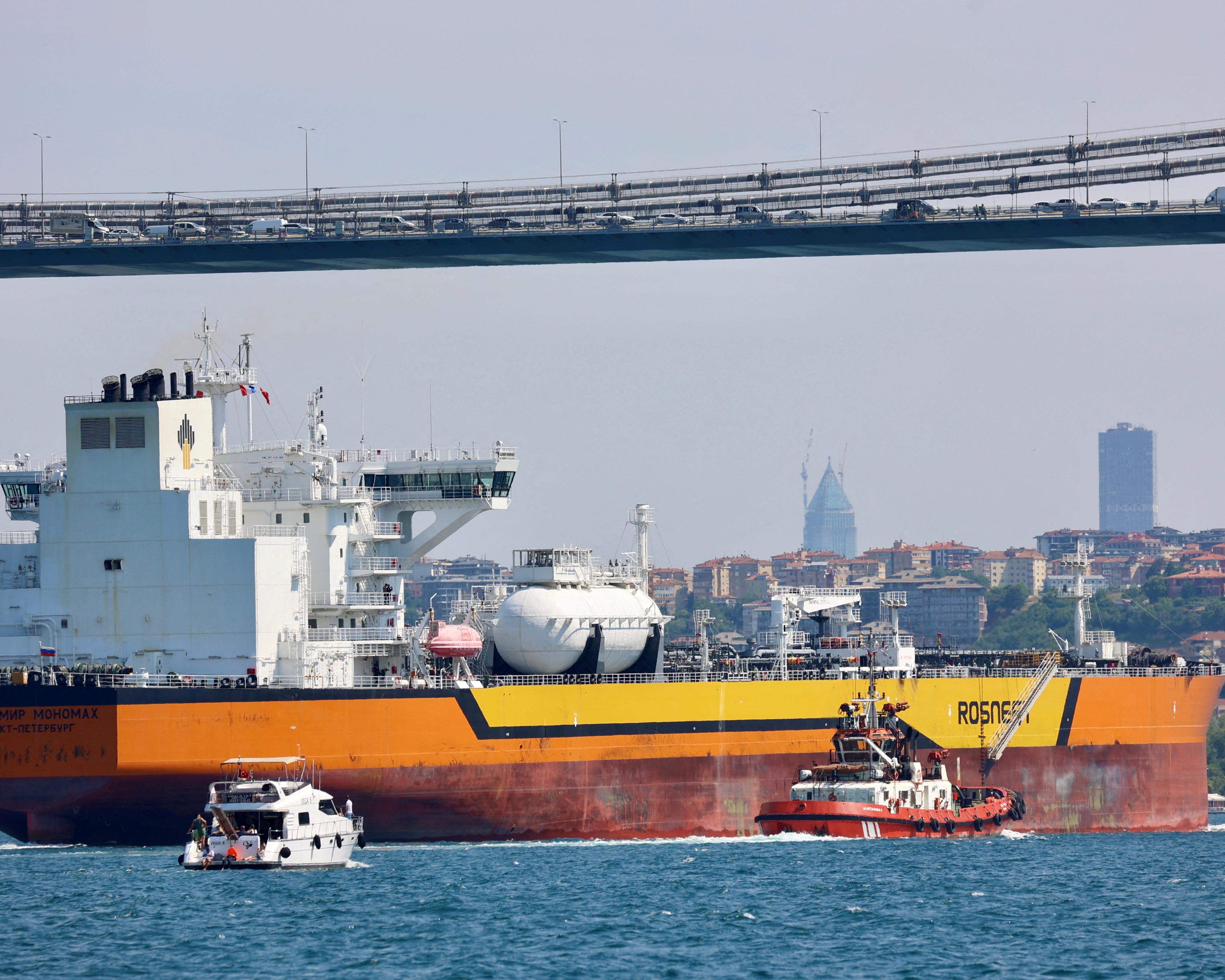
The UK government has issued a trade licence permitting the indefinite import of jet fuel and diesel refined from Russian crude oil in third countries, a move driven by surging domestic fuel costs and supply disruptions linked to the de facto blockade of the Strait of Hormuz. The licence, which came into effect on Wednesday, marks a significant reversal of previous commitments to close loopholes that allowed Russian oil refined elsewhere to enter the market.
Treasury Minister Dan Tomlinson defended the decision as necessary to protect the UK national interest amid the conflict in Iran. Speaking to Sky News, Tomlinson stated that the government must shield individual families from the economic impacts of international conflicts that wash up on British shores. He described the change as a time-limited adjustment to rules regarding oil and refining, necessitated by the extreme impacts of the ongoing geopolitical instability.
The policy shift arrives as UK petrol prices have eclipsed the highs seen during the Iran oil crisis. New figures from the RAC indicate that the average price of a litre of petrol at UK forecourts reached 158.5p as of Tuesday, the most expensive level since December 2022. Chancellor Rachel Reeves is expected to abandon plans to increase fuel duty from September in response to the pressure on households. The new licence allows imports of jet fuel from India, a previous key supplier, and diesel refined in Turkey.
The decision has drawn sharp criticism from across the political spectrum. Conservative leader Kemi Badenoch labelled the move 'insane', highlighting what she described as a contradiction in government policy. Badenoch noted that Labour MPs had recently voted against UK oil and gas licences in the North Sea, only for the government to subsequently allow imports from Russia. She argued that this approach undermines previous efforts to stand up to Vladimir Putin.
Emily Thornberry, chair of the Foreign Affairs Committee, expressed deep disappointment from Ukrainian allies, who view the UK as a crucial supporter in their war against Russia. Thornberry told BBC Radio 4 that Ukraine had been asking why Britain was relaxing sanctions despite promising to close the loophole in October. She argued that with a negotiated solution to the war in Ukraine proving difficult, stronger sanctions were the only way to push forward and ensure Putin feels the impact of his actions.
This relaxation of sanctions coincides with broader international adjustments. On Wednesday, US Treasury Secretary Scott Bessent extended a 30-day sanctions waiver allowing the purchase of Russian oil shipments already at sea, citing a need for additional flexibility. Meanwhile, on Tuesday, the UK signed a G7 statement reaffirming its unwavering commitment to imposing severe costs on Moscow regarding the war in Ukraine, creating a stark contrast with the domestic policy shift announced the following day.