UK inflation forecast to rise to 2.9% as energy costs and Iran conflict drive price pressures
The Bank of England warns inflation could reach 3.2% by year-end, with City investors anticipating interest rate hikes despite government measures to ease the cost of living squeeze.
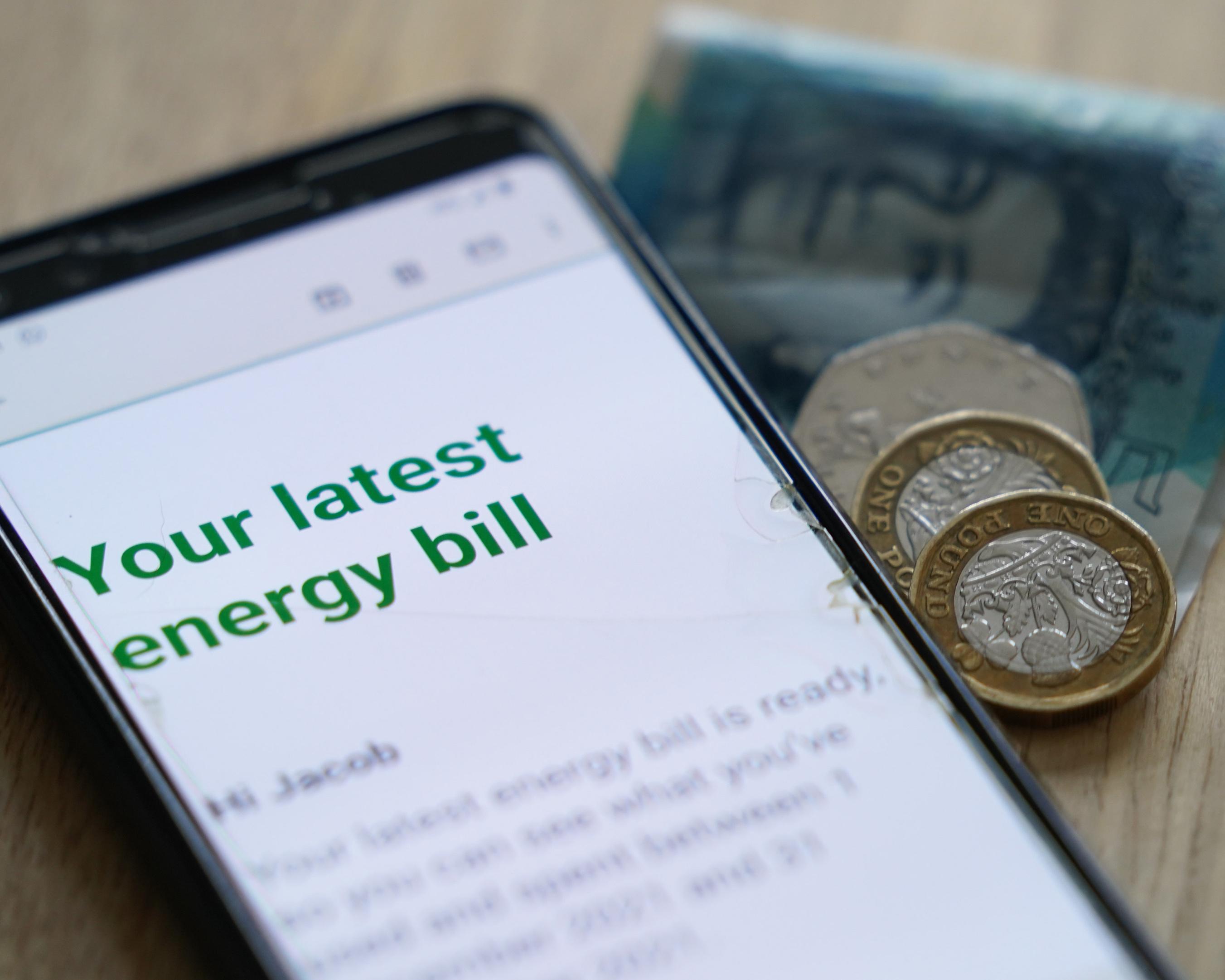
British households are facing a renewed cost of living squeeze as official figures are expected to show inflation rising to 2.9% in July. The Office for National Statistics data, due on Wednesday, will highlight the challenge for Prime Minister Andy Burnham’s government to manage household pressures ahead of the autumn budget. The surge is driven by a 13% increase in the Ofgem energy price cap and global market volatility stemming from the Iran conflict.
Economists predict the jump from June’s 2.6% rate will add approximately 0.44 percentage points to headline inflation. Thomas Pugh, chief economist at RSM UK, noted that while the rise in inflation would be partly offset by falling petrol and diesel prices, the cost of living squeeze is set to return to the headlines. This development complicates the economic outlook as the Bank of England considers raising interest rates from as early as September.
The Bank of England predicts inflation could reach 3.2% by year-end, with City investors anticipating potential interest rate hikes to combat entrenched price pressures. Victoria Scholar, head of investment at Interactive Investor, highlighted the impact of the “effective gridlock in the strait of Hormuz” on elevated energy prices. She stated that the Bank is likely to carry out roughly one 25 basis point hike by the end of the year to help push the inflation rate back toward its 2% target.
In response to the pressure, Burnham announced a raft of “breathing space” measures, including cutting VAT to reduce consumer electricity bills by an average of £45 a year from October and introducing a £2 cap on bus fares in England. The Bank of England expects these government measures to lower the headline inflation rate by 0.1 percentage point, though it warned that a worst-case scenario involving further escalation in the Middle East could drive inflation to a peak of 4.5% by the middle of 2027.
Despite the inflationary headwinds, the UK economy has shown more resilience than initially feared, with official figures showing it continued to grow in the first half of 2026 at the fastest pace in the G7. However, separate figures on the UK jobs market are expected to show a continued slowdown in wage growth, adding to the complexity of the economic landscape as the government navigates the fallout from the Iran war.