UK inflation drops to 2.6%, easing pressure on Burnham’s economic agenda
The decline to 2.6% from May’s 2.8% is attributed to reduced petrol and transport costs linked to an unstable truce in the Middle East, potentially averting immediate interest rate hikes by the Bank of England.
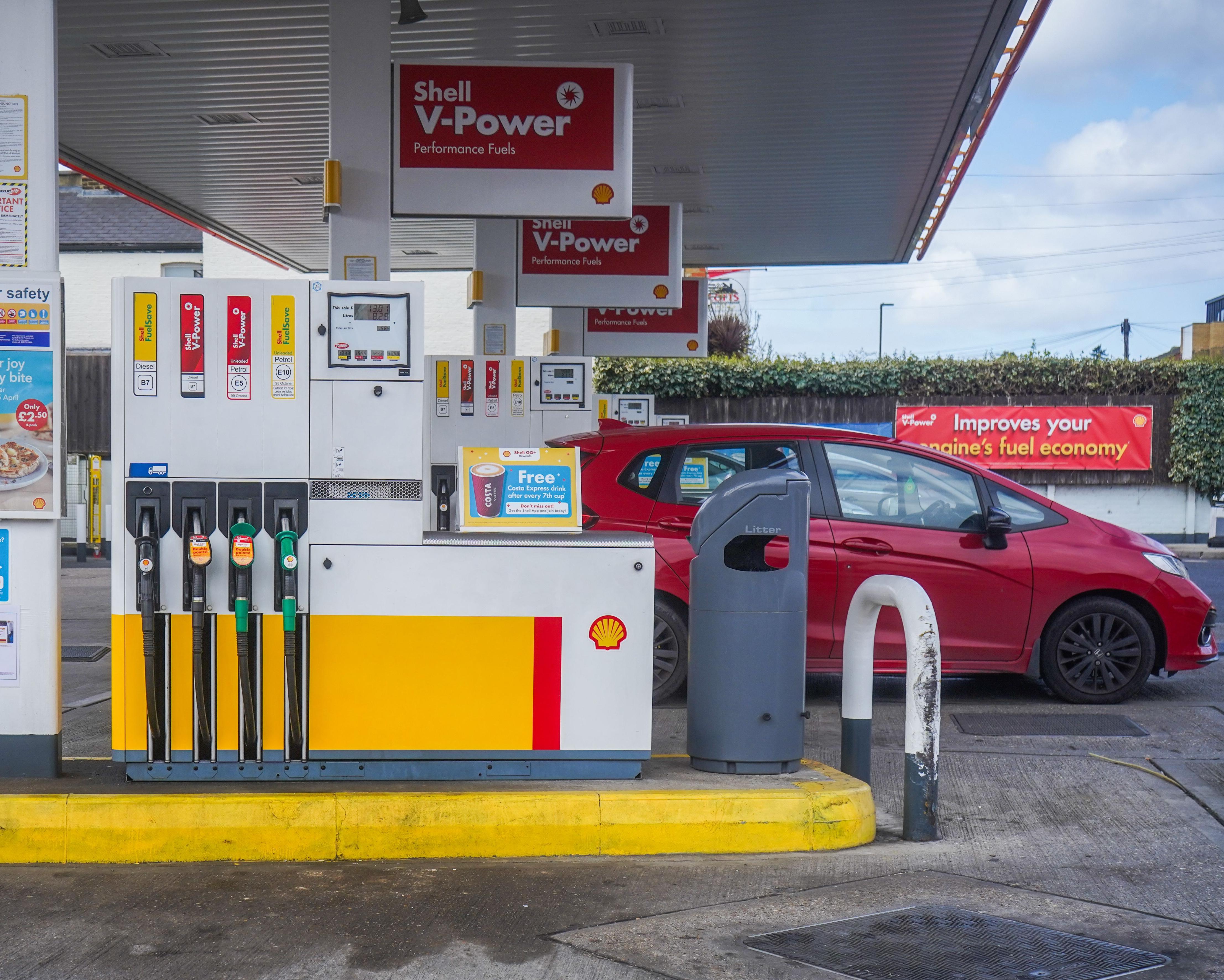
Annual inflation in the United Kingdom has fallen to 2.6% in June, marking a decline that exceeds market expectations and provides a significant boost to Prime Minister Andy Burnham’s cost of living initiatives. The consumer prices index (CPI) dropped from 2.8% in May, surpassing the economist forecast of 2.7% and signalling a shift in the economic landscape for the new administration.
The primary drivers behind this reduction are weaker petrol and transport costs, which have been influenced by an unstable truce in the Middle East conflict. While the ongoing geopolitical tensions had previously contributed to rising prices across the economy, the supply of food and energy remained steady, effectively muting the overall inflationary impact during the reporting period.
This data offers a strategic advantage for Prime Minister Burnham, who has pledged to reduce financial pressure on households and improve the broader economic outlook. By lowering the cost of living, the government aims to increase disposable income for families, a key component of its early policy framework. The lower-than-expected inflation figure suggests that these measures may face less immediate headwinds than previously anticipated.
The decline also alleviates some of the anxiety surrounding monetary policy, potentially easing concerns about imminent interest rate hikes by the Bank of England. Several members of the central bank’s Monetary Policy Committee have expressed concern that inflation remains persistently above the 2% target, raising the possibility of rate increases from the current level of 3.75%. The June data may delay such decisions, providing the Bank with more breathing room in its policy deliberations.
Despite the positive figures, the Bank of England’s inflation target remains at 2%, and the link between the Middle East truce and lower costs highlights the vulnerability of the economy to external shocks. The duration and stability of the current truce are not specified, leaving future inflationary pressures uncertain. However, for now, the data presents a more favourable backdrop for the government’s economic strategy.