UK households face 4% energy bill rise in October with no further support pledged
Government sources indicate no additional intervention before the price cap increase, citing global energy shocks and the need for fiscal prudence.

Households in the United Kingdom are unlikely to receive further energy bill support before the October price cap increase, according to government sources. Gas and electricity prices are set to rise by 4% under the new cap, a move that follows a 13% increase at the start of July. The initial surge was attributed to global energy market fluctuations driven by the US war on Iran and the closure of the Strait of Hormuz.
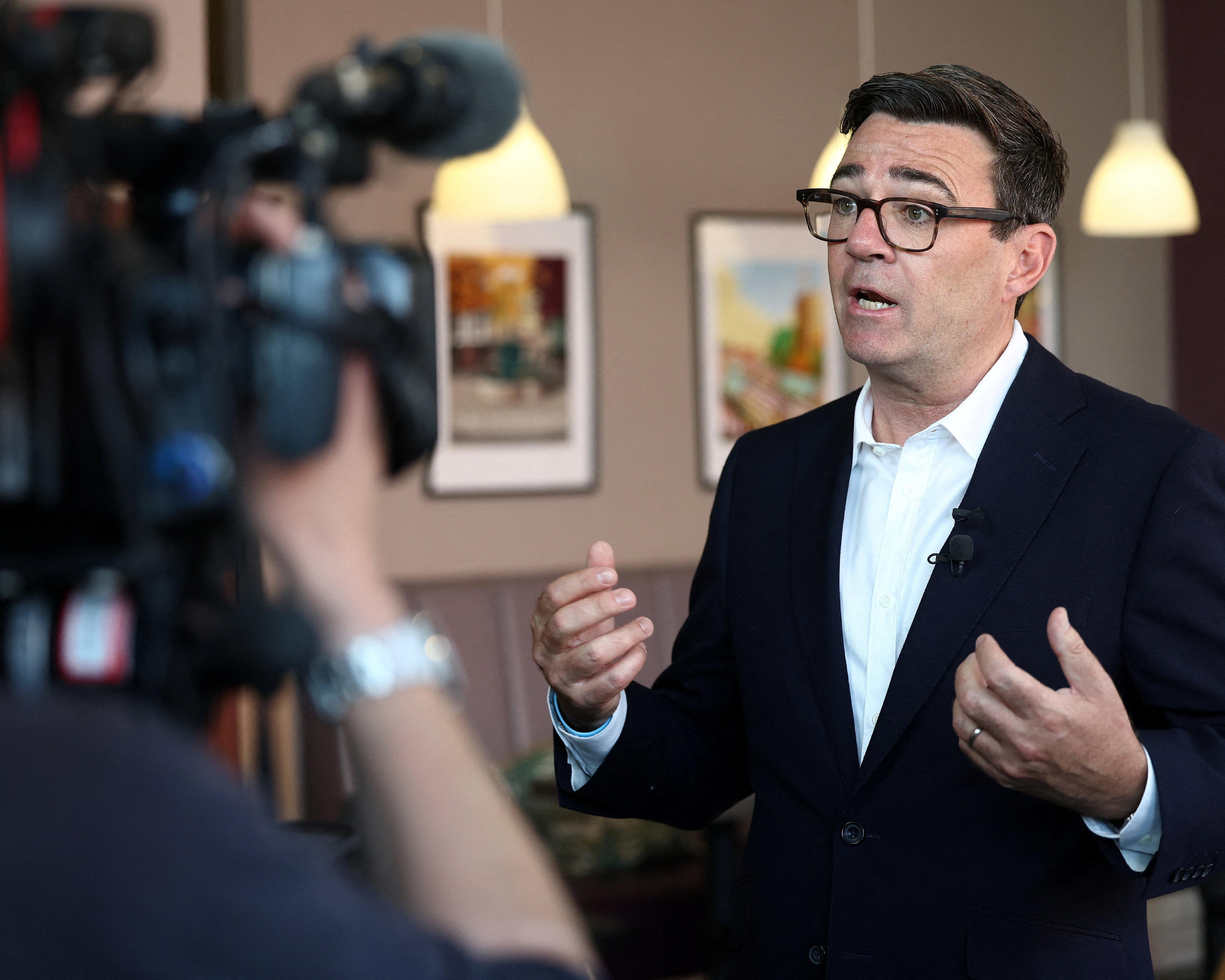
Prime Minister Andy Burnham acknowledged the financial pressure on families, describing rising bills as “difficult for people.” However, he stopped short of pledging further intervention beyond the recent removal of VAT from domestic electricity bills, a measure announced in his first week in office that saves average households £45 a year. Burnham stated that the government would continue to examine how to reduce energy prices in the long term.
Energy Secretary Miatta Fahnbulleh attributed the current price increases to the conflict in Iran, noting that the government would keep looking at ways to protect families from unaffordable bills. Chancellor John Healey indicated that the government would reassess the need for additional support towards the end of the year. Healey told the Sun that while no government could stop the squeeze caused by a global shock of this magnitude, officials would remain focused on providing families with breathing space regarding the cost of living.
The Resolution Foundation thinktank has suggested that targeted support should be designed and ready to activate from January, when bills are forecast to rise by up to 9%. The thinktank proposed that this support should extend beyond those on benefits to include individuals earning under £24,000 a year, potentially reaching 40% of households. Chief executive Ruth Curtice warned that with wholesale gas prices hitting new post-Iran highs, there is a real risk of further rises in the new year.
In contrast, the Trades Union Congress has renewed its call for a windfall tax on bank profits to fund bill cuts. General secretary Paul Nowak argued that banks are raking in profits while many households struggle, suggesting they can afford to pay more tax to help reduce energy costs for the majority. Healey’s predecessor, Rachel Reeves, had previously been preparing targeted support for energy bills before Burnham became Prime Minister.
Government sources suggest that any further support would be costed in the budget, with officials waiting to see how the conflict in the Gulf develops over the coming months. This includes monitoring whether the Strait of Hormuz can be reopened, which would significantly impact energy prices. The uncertainty surrounding the geopolitical situation remains a key factor in the government’s decision-making process regarding household energy costs.
Additionally, Burnham has suggested he is open to allowing more drilling sites in the North Sea if a quasi-judicial process approves exploration of the Jackdaw and Rosebank fossil fuel sites. This pragmatic approach has drawn support from green energy entrepreneur Dale Vince, who backed both schemes on the BBC’s Newsnight programme. However, the move is likely to cause a backlash from some Labour MPs, with former energy secretary Ed Miliband previously describing the Rosebank proposal as “climate vandalism.”