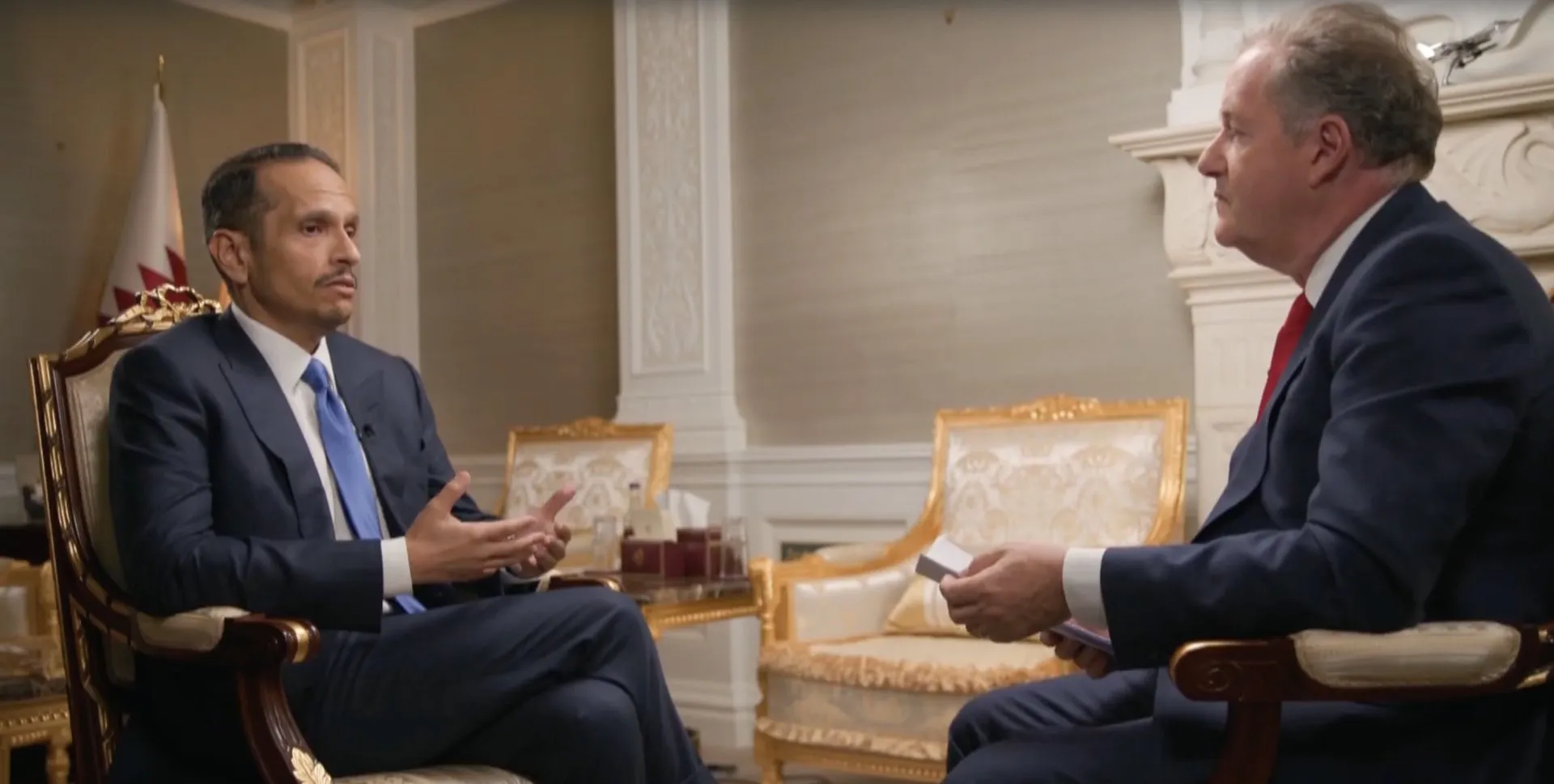
Pakistan People's Party leader accuses India of funding terror groups
The Pakistan People's Party head claims New Delhi continues to finance organisations responsible for terrorist activities within Pakistan, citing a lack of cross-border cooperation and the suspension of the Indus Water Treaty.
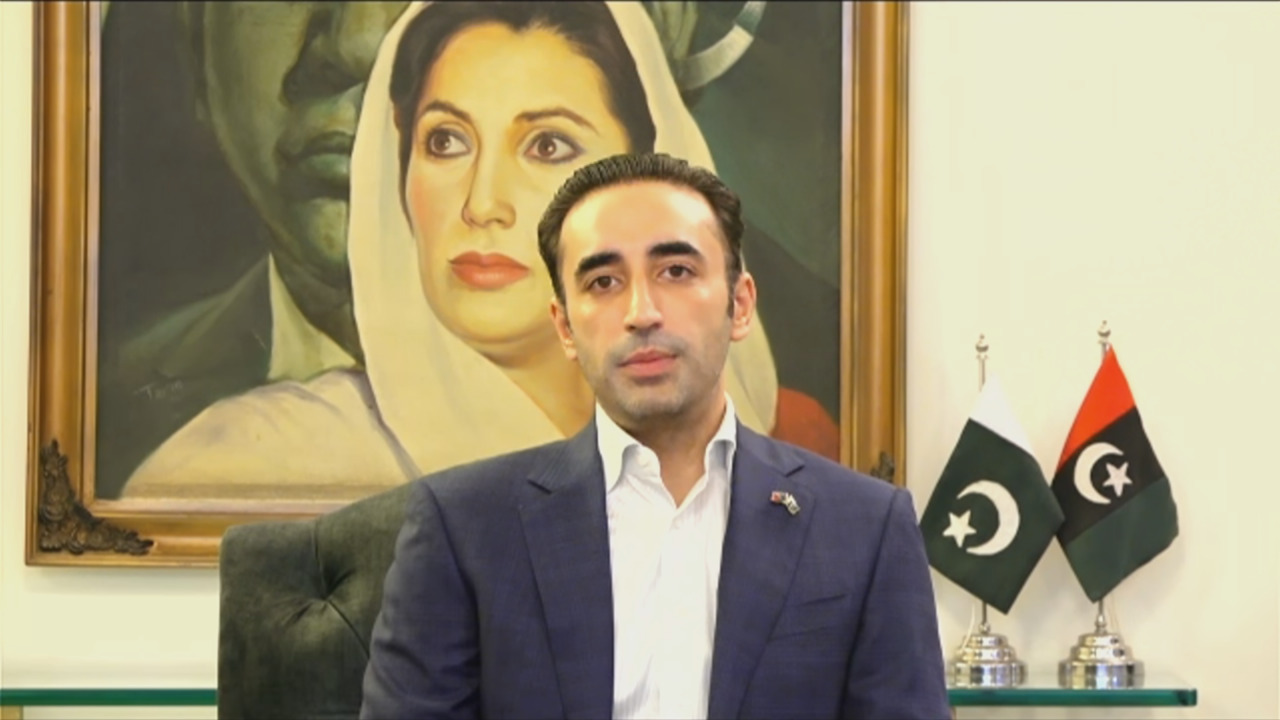
Bilawal Bhutto Zardari, head of the Pakistan People's Party, has publicly asserted that India continues to fund organisations responsible for terrorist activities within Pakistan. Speaking to FRANCE 24, Bhutto Zardari described the situation as a persistent threat that undermines regional stability, noting that Pakistan has consistently challenged this danger. He emphasised that terrorism is not merely an issue for Islamabad but a shared concern for New Delhi as well, yet the two nations currently lack the lines of communication necessary to coordinate a response.
The assertion comes amidst a backdrop of unresolved friction following a five-day war between the two countries in 2025. Although US President Donald Trump announced a full ceasefire after the conflict, Bhutto Zardari warned that underlying tensions remain capable of igniting another confrontation. He argued that the ceasefire was intended to be the beginning of a process the Indian side had committed to at the time, but unfortunately, that process did not materialise.
Central to these grievances is the status of the Indus Water Treaty, a critical agreement between the nations. Bhutto Zardari alleged that India is collectively punishing the people of Pakistan by violating the treaty, which was suspended by India following the 2025 Kashmir attack. This suspension has added a layer of diplomatic complexity to an already volatile relationship, with Bhutto Zardari calling for both countries to engage in dialogue to pursue peace through diplomacy.
Regarding the origins of the violence, Bhutto Zardari stated that most terrorist attacks taking place in Pakistan are linked to organisations based within Afghanistan. He highlighted that rising tensions between Islamabad and Kabul have already resulted in deadly air strikes on Kabul in March. Despite this, he maintained that counter-terrorism efforts cannot succeed without cross-border cooperation, a mechanism that is currently absent between the two South Asian powers.
Beyond the bilateral dispute with India, Pakistan is positioning itself as a central player in broader regional security dynamics. The nation has emerged as a key facilitator in brokering talks between the United States and Iran concerning the Strait of Hormuz crisis. Bhutto Zardari noted that there is no military solution to this crisis, arguing instead that the momentum of the recent ceasefire must be built upon to achieve a more permanent peace.
He concluded by warning that the repercussions of a return to conflict would not be confined to Pakistan, but would have consequences for the entire international community. The interview underscores the fragile nature of the current diplomatic landscape, where the absence of direct communication channels leaves the region vulnerable to escalation.