UK Government Prepares Legislative Overhaul for Water Sector
New Environment Secretary Angela Eagle has confirmed that ministers are considering placing Thames Water into public ownership, citing gaps in current insolvency laws regarding US hedge fund behaviour.
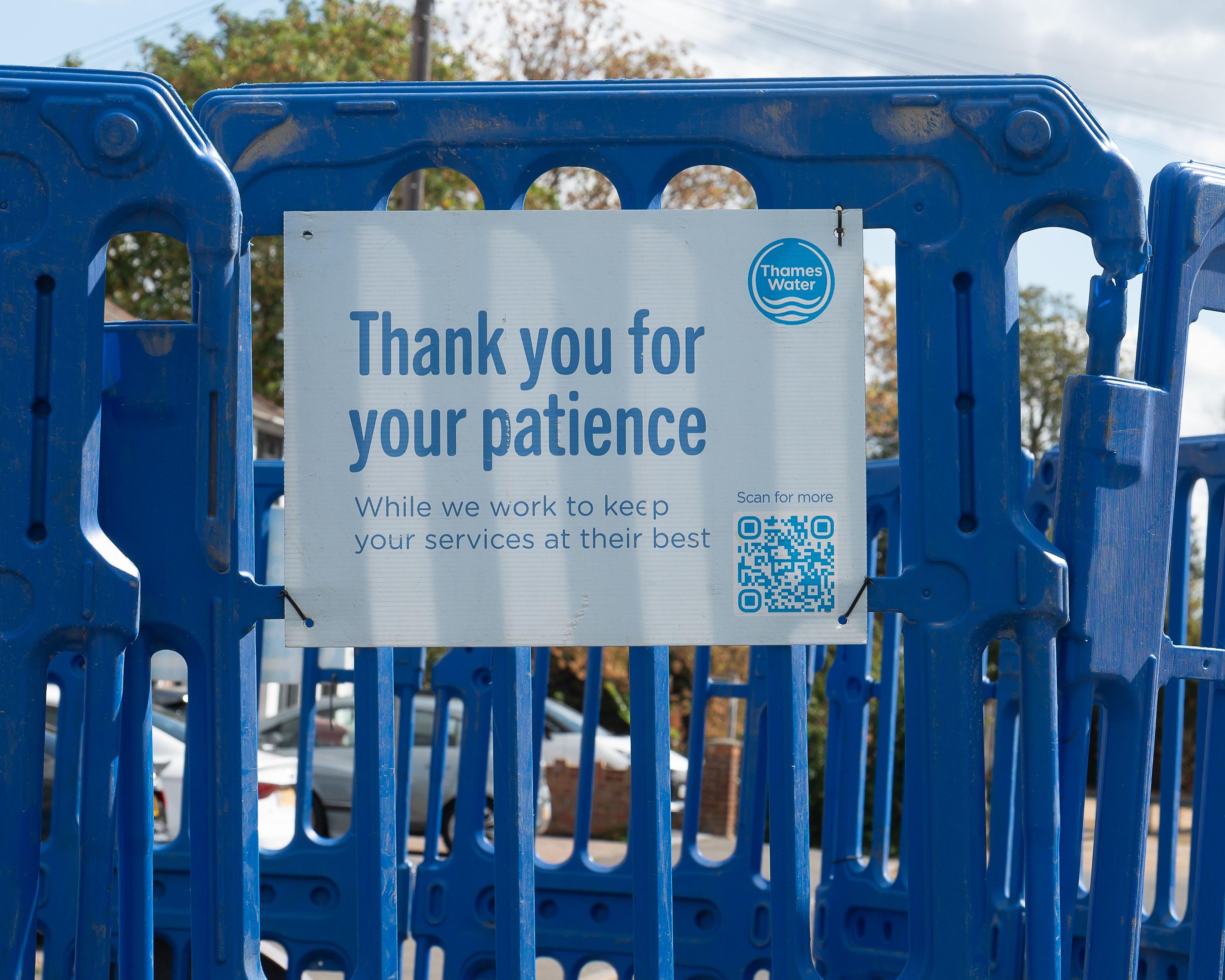
New Environment Secretary Angela Eagle has stated that the UK government is prepared to amend legislation to reform the water industry, specifically to address the management of Thames Water. In her first major interview since taking office, Eagle confirmed that ministers are considering placing the ailing utility into public ownership. She argued that current insolvency laws do not adequately account for the behaviour of the US hedge funds that control the company.
Eagle described a potential water bill as a legislative vehicle that would enable the government to take necessary actions, stating that nothing is off the table. The move is seen as a critical test of Prime Minister Andy Burnham’s commitment to bringing public utilities under state control. Burnham has repeatedly promised to take utilities into public control, focusing especially on energy and water, and previously indicated an intention to nationalise Thames.
Thames Water is currently struggling under a £20bn debt pile and has been given a record £122.7m fine for sewage spills and unlawful shareholder payouts. The company’s owners, including Elliott Management and Apollo Global Management, are seeking a £10bn deal to renegotiate its debt and stave off nationalisation. Eagle’s predecessor, Emma Reynolds, had objected to this deal, warning it would not give taxpayers value for money, but the investors are still seeking regulatory approval.
Eagle noted that Thames Water is not technically insolvent, which complicates the move to special administration. She explained that the Water Act did not really envisage the kind of corporate presence and behaviour currently observed. “A lot of people think you can just choose [special administration] … [but] you either are, or you aren’t, insolvent,” she said.
Speaking from Havant Thicket in Hampshire, which is due to be the country’s first new reservoir since 1992, Eagle said the country had become less resilient under previous governments. She is taking part in weekly meetings of the National Drought Group, which is coordinating the response to the country’s fifth drought in three years. She expressed determination to speed up the pace of new infrastructure, comparing the current bureaucratic slowdown with the period when she served as a minister in the governments of Tony Blair and Gordon Brown.
Professor Ewan McGaughey of King’s College London stated that the government does not need to wait for creditors to admit insolvency. He noted that ministers can take away Thames Water’s licence for breaching principal duties, such as putting all sewage through secondary treatment before release and keeping taps running.