UK government moves to formalise household emergency preparedness amid record El Niño warnings
Environment Secretary Angela Eagle has announced new infrastructure and farming initiatives, urging citizens to stockpile supplies as the Cabinet Office prepares a national campaign on climate resilience.
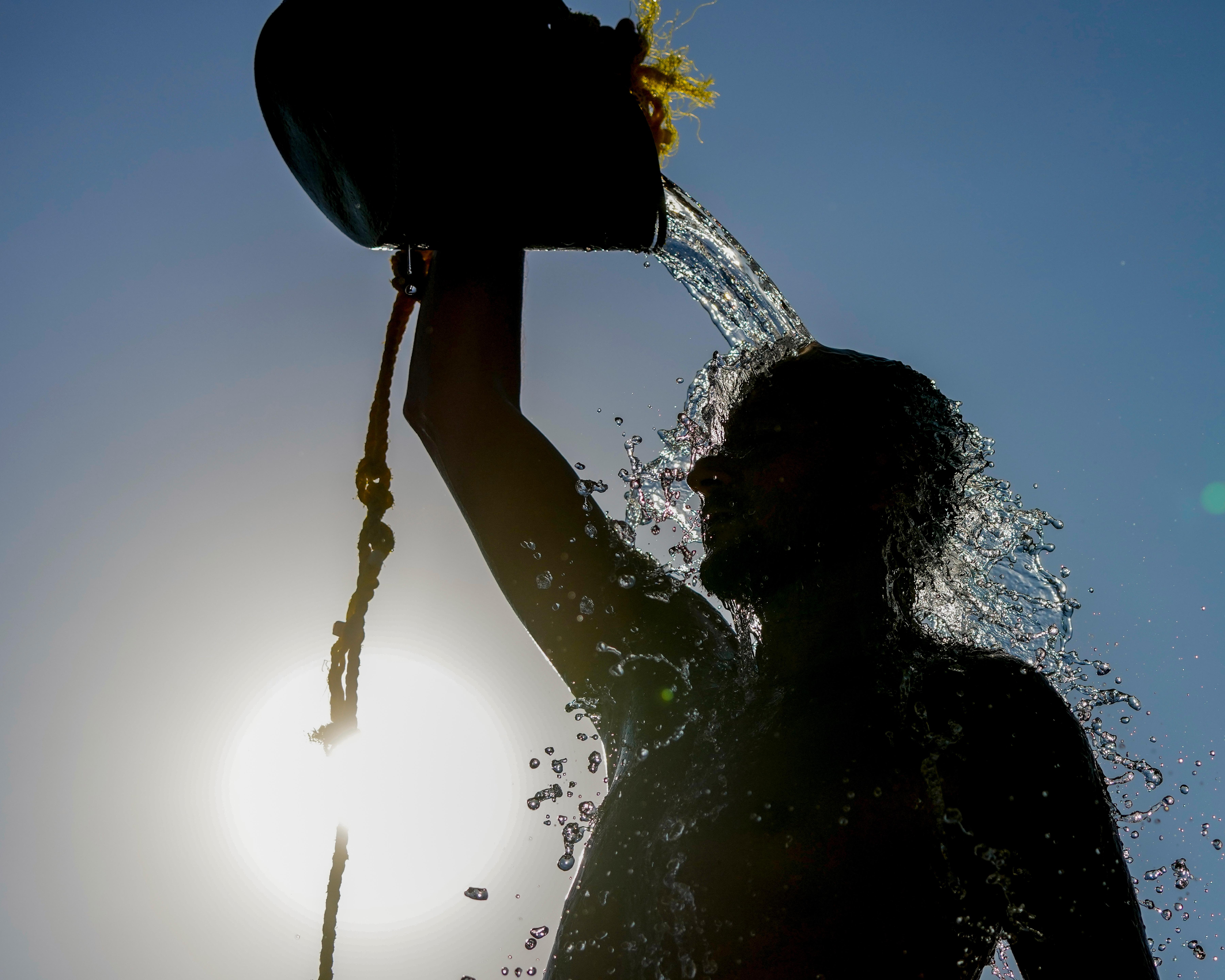
The UK government is preparing a coordinated campaign to advise households on emergency preparedness, citing a climate phenomenon forecast to be the largest in at least 1,000 years. Environment Secretary Angela Eagle has urged British citizens to maintain sufficient food and water supplies to survive several days without power or water, framing the move as a necessary step towards greater national resilience.
The policy shift follows warnings from the United Nations that the current El Niño is “supersizing before our eyes,” exacerbating extreme weather events globally. According to the World Meteorological Organization, ocean temperatures at the heart of the phenomenon are already 2.6C above the 30-year average. Forecasts from 14 different models suggest these anomalies are expected to peak at approximately 4C in November, a level not seen in the satellite data era.
In response to these projections, the Cabinet Office is planning to launch a campaign in the coming months. The initiative will specifically encourage households to stockpile tinned food and take proactive steps to prepare for potential national emergencies. This institutional approach aims to reduce the burden on emergency services by ensuring individuals have immediate access to essential resources during disruptions.
Alongside the household advice, Eagle announced a new programme of reservoir building and farming improvements designed to enhance long-term climate resilience. Speaking from Havant Thicket, which is set to become the UK’s first new reservoir since 1992, the minister acknowledged that the country had previously been insufficiently prepared for climate-related emergencies. She stated that changes to farming and water management techniques were required to adapt to the expected increase in extreme storms and drier summers.
The urgency of the policy response is underscored by the global impact of the event. The World Food Programme estimated in August that the El Niño could push approximately 50 million people into acute hunger. In Europe, the most extreme heatwave ever recorded this summer led to at least 35,000 deaths, highlighting the immediate human cost of the shifting climate patterns.
Climate analysts note that the current event is piling extra heat into an atmosphere already warming rapidly due to global heating. Zeke Hausfather, a climate analyst, indicated that data from corals, tree rings, and historical documents suggest no El Niño has reached this intensity in the last millennium. The combination of these factors has led to predictions that 2027 could become the hottest year ever recorded, further justifying the UK’s new focus on institutional and domestic preparedness.