UK Government Moves to Ban Chant 'Globalise the Intifada' Following Security Escalation
Discussions with the Metropolitan Police focus on restricting language at pro-Palestine marches after recent anti-Semitic incidents in Golders Green
British Prime Minister Keir Starmer has indicated that pro-Palestine marches featuring the chant 'globalise the Intifada' could be banned, with participants facing prosecution. In an interview broadcast by the BBC, Starmer stated that while he remains a defender of freedom of expression and peaceful protest, the specific phrase is completely off limits. He noted that discussions regarding tighter language restrictions and potential bans on certain rallies are currently underway with the police.
This stance follows Starmer's earlier characterisation of the chant as a case of extreme racism. Metropolitan Police Commissioner Sir Mark Rowley confirmed that individuals using the phrase are likely to be arrested. The government's decision comes amidst a rise in security alert levels to severe, the second highest tier, driven by recent anti-Semitic incidents in the north London suburb of Golders Green.
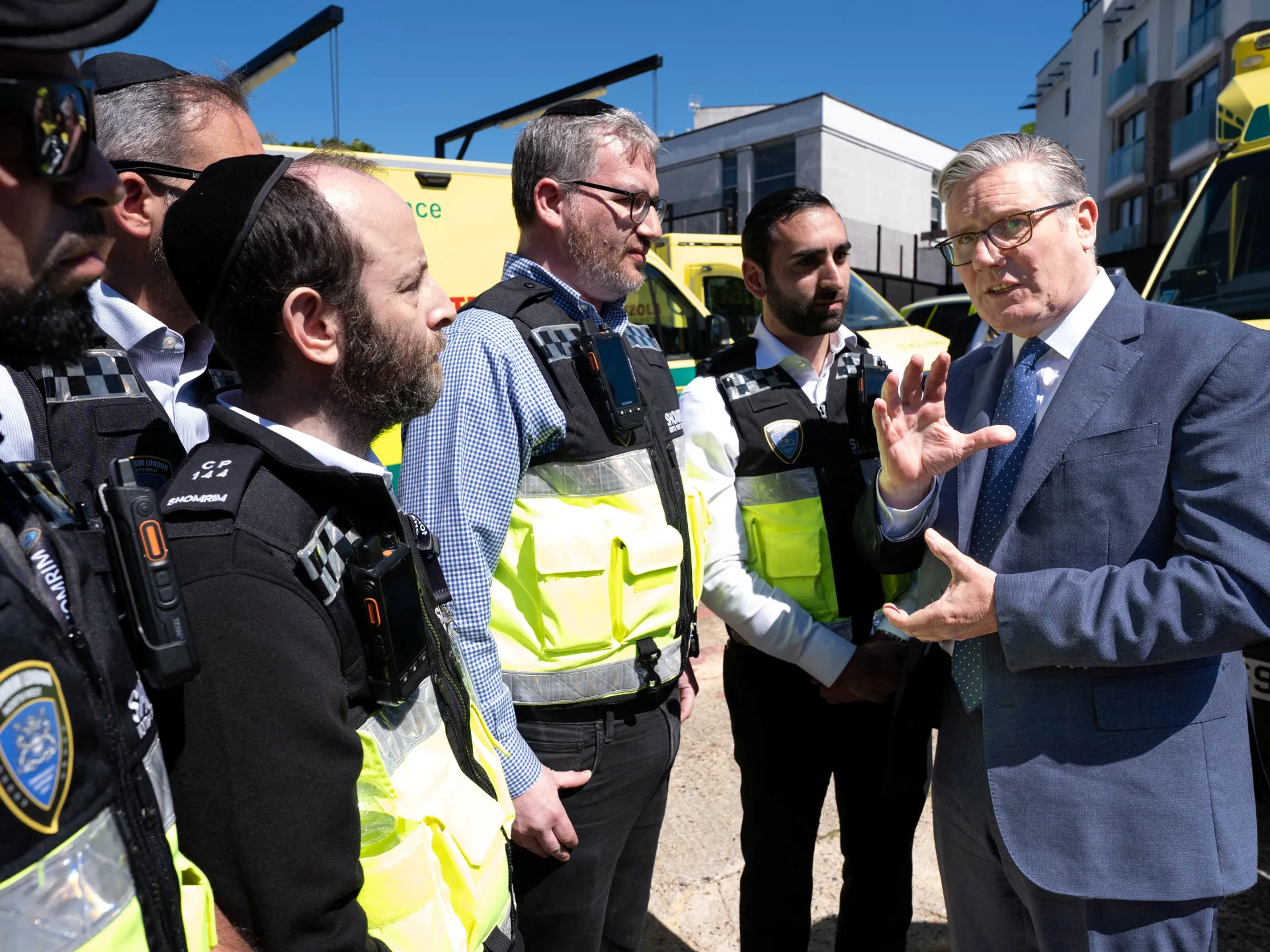
Tensions have been heightened by a spate of violence, including an attempted murder attack where a suspect was remanded in custody. Starmer visited the scene of the attacks and a Jewish volunteer ambulance service, an event that drew criticism from some locals who booed him and accused him of failing to protect the Jewish community. These incidents have influenced the government's approach to regulating public demonstrations in the capital.
Supporters of the slogan argue it reflects a call to expand the pro-Palestine movement into a global campaign. However, critics of the proposed restrictions have condemned the government's approach. One demonstrator at a recent vigil opposing a ban on the campaign group Palestine Action described the situation as a descent into a non-democratic situation that threatens free speech.
The move marks a significant shift in how the UK handles activism during the conflict in Gaza. Last month, British police arrested more than 500 people during a mass vigil in central London opposing a ban on the group Palestine Action. Authorities have repeatedly faced criticism for cracking down on pro-Palestine activism, yet the current security context has prompted a more aggressive stance on specific language used in public spaces.
While Starmer supports peaceful protest generally, he suggested that barring some rallies would be appropriate in cases involving such chants. The specific legal mechanisms and exact scope of the potential bans have not yet been fully detailed by the government, though discussions with the police are ongoing. The extent to which the severe security alert level directly correlates to the specific decision to ban these chants versus general security measures remains unclear.