UK government faces scrutiny over secrecy of unpublished emergency drought plans
While the government cites national security to withhold emergency water contingency plans, campaigners demand transparency regarding sector prioritisation and call for a national water security strategy.
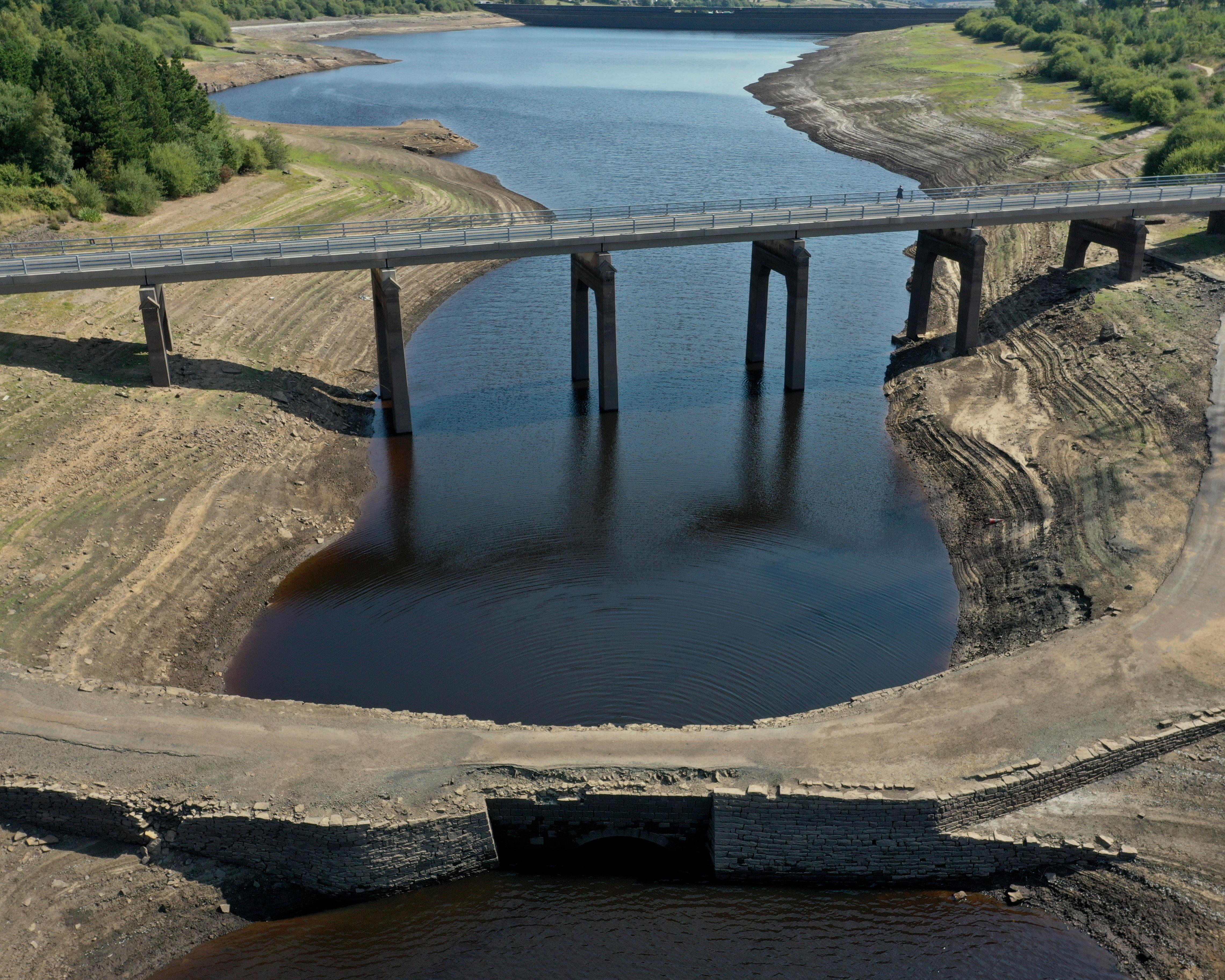
The UK government has come under intense pressure from campaigners and political opponents for refusing to publish emergency drought plans developed by water companies. With water levels at five key reservoirs in England and Wales described as “exceptionally low” and drought conditions currently affecting three-quarters of England and the entirety of Wales, critics argue that the lack of transparency regarding contingency measures is irresponsible.
Water firms are mandated to produce statutory drought plans every five years, which are publicly consulted on and detail actions to maintain supply and protect the environment. However, separate emergency plans, which are currently under consultation for the 2027-32 period, remain unpublished. These documents outline extreme scenarios, ranging from the installation of street standpipes to rotational water cuts that would limit supply to a few hours each day.
A water industry source indicated that the decision to withhold these specific plans was made to avoid alarming the public, while the government maintains that the secrecy is required to protect national security. The Department for Environment, Food and Rural Affairs stated that these emergency plans sit alongside publicly available statutory documents and would not be released due to security concerns.
Prof Liz Bentley, chief executive of the Royal Meteorological Society, suggested that keeping such details confidential may be prudent, noting that significant water shortages could impact critical industries such as nuclear power. She argued that revealing vulnerabilities in major sectors could have widespread effects on the country’s security. Similarly, Arup policy lead Alastair Chisholm highlighted the social risks of drought, citing the 2018 Cape Town “Day Zero” crisis as an example of how fear of water scarcity can lead to significant social instability.
Despite these arguments, opposition groups and industry bodies are demanding greater openness. The Green Party leader, Zack Polanski, described the secrecy as “deeply worrying” and called for the full nationalisation of water companies to prevent future shortages. Meanwhile, Water UK has urged ministers to publish a drought hierarchy to prioritise sectors during shortages, particularly concerning the increasing demand from datacentres. Campaigner Ollie Hayes of Global Action Plan warned that the lack of clarity fuels anxiety that controversial decisions, such as prioritising AI datacentres over public supply, may have already been made without public input.
The impact of water scarcity is already evident in regions such as Sussex, Cambridgeshire, Suffolk, and Norfolk, where housing and business developments have been delayed due to inadequate infrastructure and supply constraints. With global food prices at a three-year high due to heatwaves and drought, the urgency for a coherent strategy is growing. River Action’s Amy Fairman emphasised the absence of a holistic national water security plan, while reports suggest that regulator Ofwat is considering allowing water companies to raise bills during drought periods.