UK government demands stronger police intelligence after port protests
Questions over missed warnings, masked demonstrators and alleged coordination have prompted a review of police preparedness in Dover and Portsmouth.
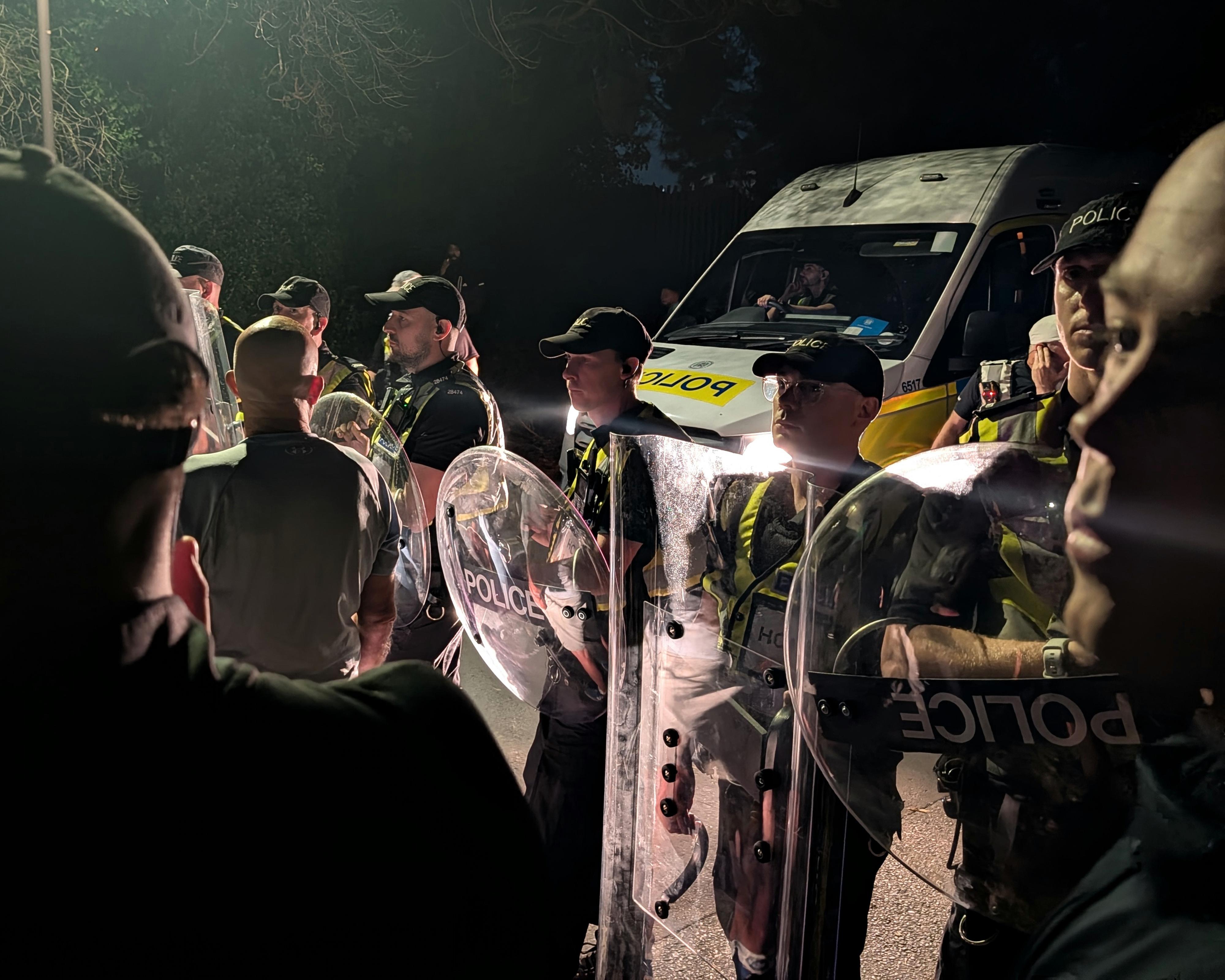
The UK government has called for stronger police intelligence gathering after hundreds of masked men gathered near Dover and in Portsmouth during protests opposing small-boat arrivals. Police said the Dover gathering dispersed peacefully, while clashes occurred in Hampshire.
Kent police acknowledged that information received late on Friday warning of a possible Dover protest was not fully assessed. The admission contradicted earlier claims that the force had no warning of the gathering, prompting criticism of how its decisions were explained after the event.
The government has judged police actions once officers confronted the crowds to have been reasonable, but officials have questioned why laws introduced to restrict mask-wearing at demonstrations were not used. Police said the Dover group complied with officers’ requests and dispersed, while a formal dispersal order was used in Portsmouth.
Authorities are investigating alleged coordination through closed social-media networks, possible road blockades, violence and whether the Portsmouth gathering was intended to harass or intimidate. Police are also considering whether the threshold for covert investigative powers has been met. The protests are believed by police to have been far-right-inspired, although the alleged coordination and organisers’ conduct remain under investigation.
The scrutiny has coincided with abuse directed at RNLI volunteers who rescued 120 asylum seekers from a Channel dinghy. The boats were redirected to Eastney after Southampton Port was deemed unable to receive those rescued. The RNLI said volunteers faced threats, online identification attempts and abuse, which its chief executive described as unacceptable.