UK eVisa glitch strands settled resident in Spain over twin sister error
A digital identity mismatch in the Home Office’s post-Brexit system left a UK resident unable to board a flight, prompting renewed scrutiny of the eVisa rollout’s reliability.
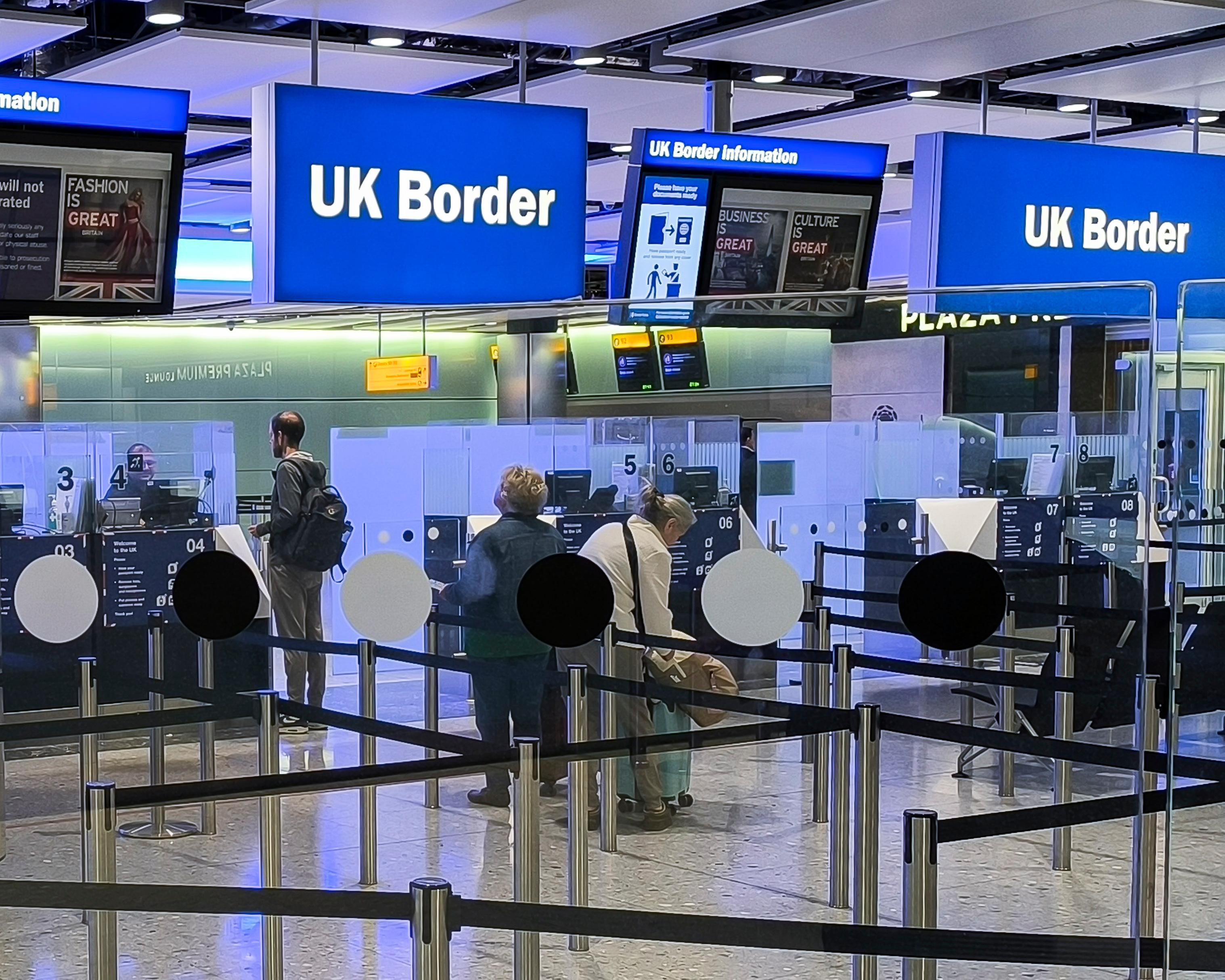
Nidia Webb, who has held settled status in the United Kingdom for eight years, was stranded at a Spanish airport after the Home Office’s eVisa system incorrectly linked her digital immigration record to that of her identical twin sister. The error prevented her identity from matching her status at the departure gate, resulting in an initial denial of boarding for her return flight to the UK.
Webb stated that Home Office staff identified the discrepancy as a “known technical issue” affecting some twins within the system. Although staff promised over the phone that the problem would be resolved, a confirmation email regarding the fix was mistakenly sent to Webb’s sister rather than to Webb herself. She noted that she remained unaware the issue had been corrected until she was finally permitted to board her flight, a process that required hours of telephone correspondence.
The Home Office confirmed that the specific error had been fixed and indicated that staff would contact Webb directly. A spokesperson for the department noted that over 10 million people have successfully used eVisas to prove their immigration status. The department stated that while it is committed to data accuracy as the digital system expands, the majority of identified errors are resolved within 24 hours.
The incident has drawn attention to broader concerns regarding the reliability of the digitised immigration process. In July 2025, reports indicated that up to 200,000 people who had lived legally in the UK for decades were at risk of a Windrush-style scandal due to difficulties in transferring old documents to the new digital platform.
Monique Hawkins, acting chief executive of the immigration campaign group the3million, described the eVisa rollout as “rushed.” She told Politico that the system highlights significant vulnerabilities in how individuals prove their status, emphasising the need for a genuinely stable means of verification.
Hawkins added that the group regularly sees cases where individuals are not only denied boarding but also denied compensation, as airlines and the Home Office shift responsibility between each other. The latest incident underscores the ongoing institutional challenges associated with the transition to a fully digital immigration framework.