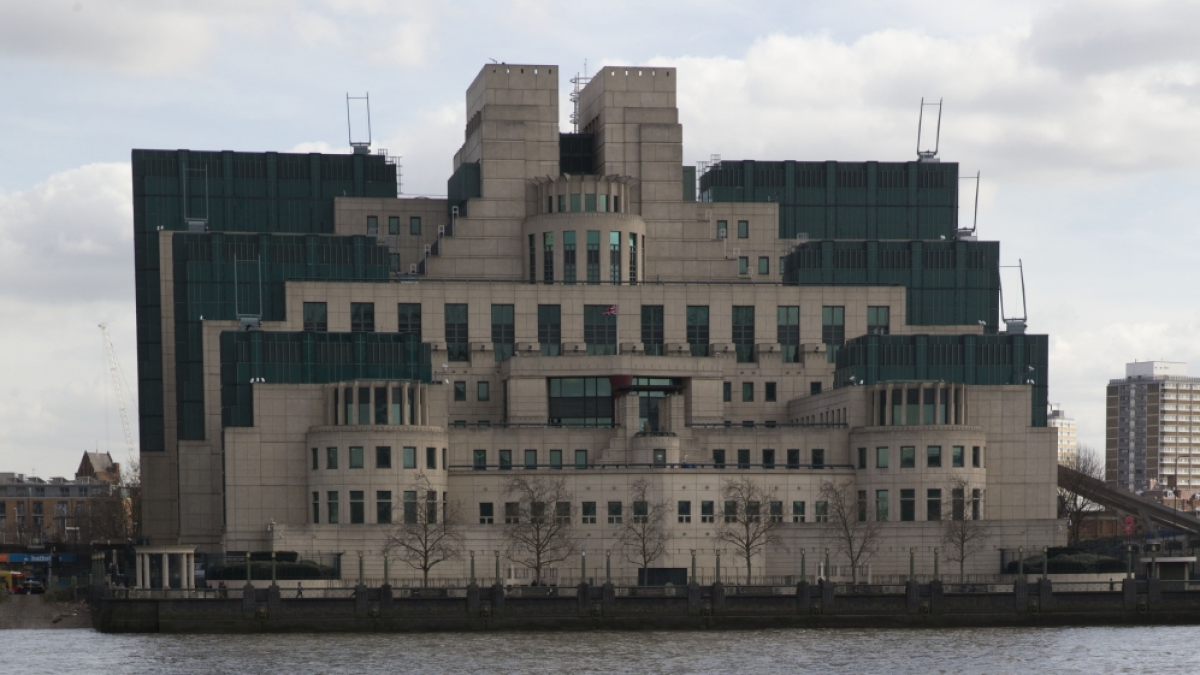
UK economy faces deepening strain as Iran conflict triggers recession fears and public anxiety
Prime Minister Keir Starmer has convened a crisis committee to address the fallout, yet experts warn of prolonged demand destruction and potential large-scale unrest across the United Kingdom.
Recent reporting from leading British newspapers highlights a deepening economic crisis in the United Kingdom as the conflict in Iran continues to exert pressure on the nation. Headlines from *The Financial Times*, *The Guardian*, and *The Times* paint a picture of an economy bracing for significant price rises and a prolonged period of hardship, with one minister suggesting the economic fallout will persist for at least eight months. This sentiment is reflected in data showing consumer confidence has slumped to a two-year low, driven by soaring fuel and food prices and a pervasive fear of recession.
The structural vulnerability of the UK economy has been described as particularly acute, with analysts noting the nation is a major energy importer with weakly anchored inflation expectations and a soft labour market. Luke Bartholomew, deputy chief economist at Aberdeen, emphasised that households are still recovering from the energy inflation shock caused by Russia's invasion of Ukraine in 2022, making the current situation a severe blow to household finances. This backdrop of economic fragility has led to sporadic queues at petrol stations and talk of panic shopping, reminiscent of the early days of the pandemic.
In response to the mounting pressure, Prime Minister Keir Starmer has established a crisis committee to manage the situation and reassure the public. However, the government faces sharp criticism regarding its fiscal strategy, specifically its inability to provide necessary energy subsidies and its reluctance to utilise untapped North Sea oil reserves. While the Prime Minister has hinted that citizens may need to alter their holiday plans and reduce supermarket spending, critics argue that stretched finances prevent the administration from implementing the support measures required to stabilise the market.
The conflict has also introduced a new dimension of geopolitical friction, testing Anglo-American relations following the UK's refusal to allow the use of its bases for strikes on Iranian infrastructure. This stance has drawn criticism from the US administration, including President Donald Trump, as the two nations navigate shared objectives amidst underlying tensions. Simultaneously, regional shifts are occurring as Russia and Iran explore alternative economic lifelines via railways and Caspian ports to bypass the blockade of the Strait of Hormuz.
Domestically, the human cost of the conflict is evident through the experiences of British-Iranian residents like Omid Habibinia, who reported that internet connections to Iran have been severed, preventing contact with family members suffering under infrastructure attacks and an internet shutdown. Beyond the personal anguish, the broader economic risk involves what experts term "demand destruction," where high prices force a reduction in consumption across the economy, potentially leading to fewer jobs and business investments.
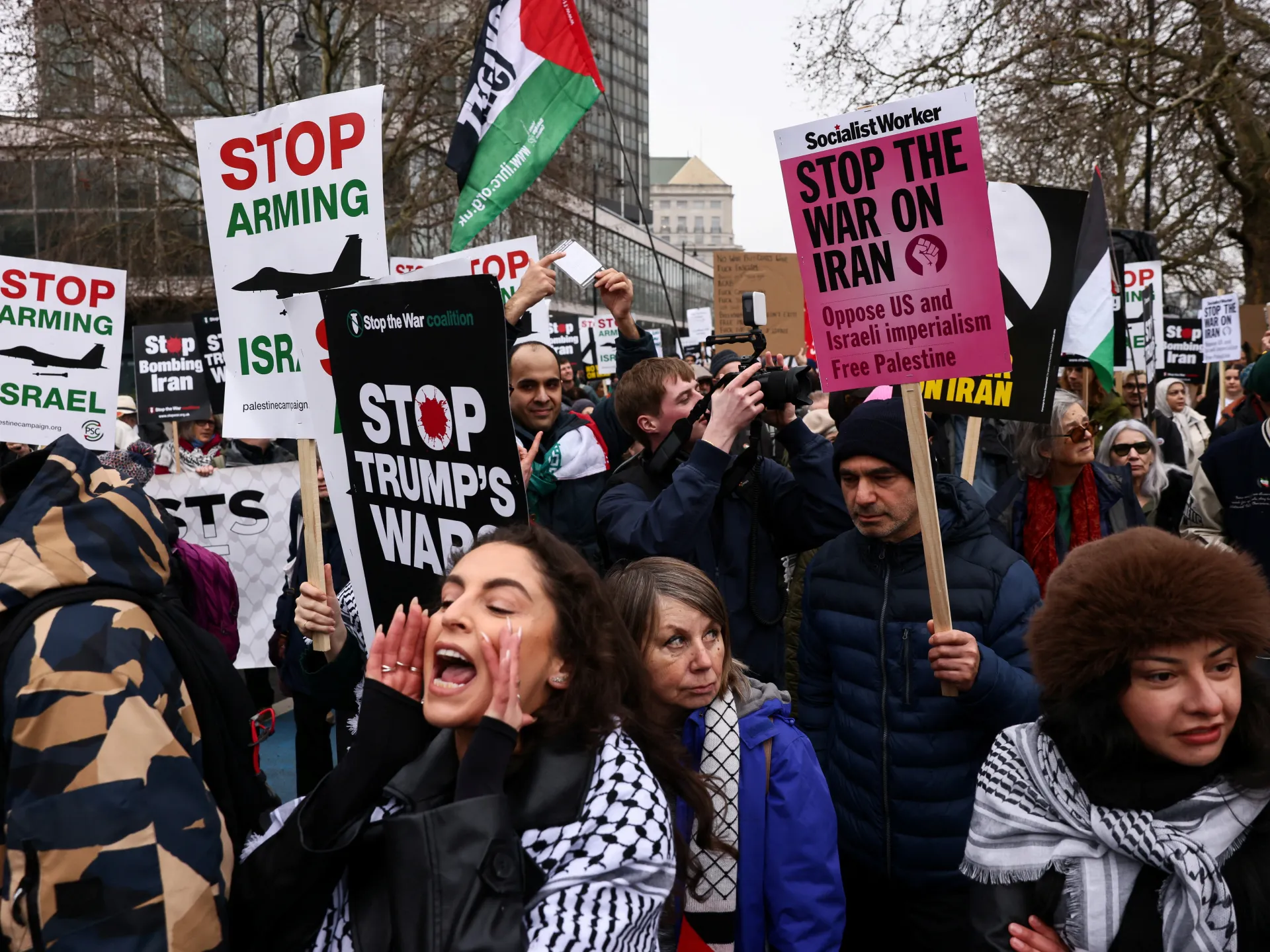
Market reactions have been swift and severe, with the Bank of England now pricing in a series of interest rate hikes for the year, a stark reversal from earlier expectations of cuts. This shift has dampened hopes for mortgage relief and added to the financial strain on households where real wages are likely to turn negative. Meanwhile, an IPSOS survey from December indicates that 74% of Britons expect large-scale public unrest in 2026, with 59% anticipating protests against the government's handling of the situation, suggesting that the social stability of the nation is under significant threat.