UK Defence Secretary John Healey resigns over military spending dispute
Healey argues projected spending increases are negligible by 2030, warning that current fiscal approaches risk force readiness and personnel safety amid rising global threats.
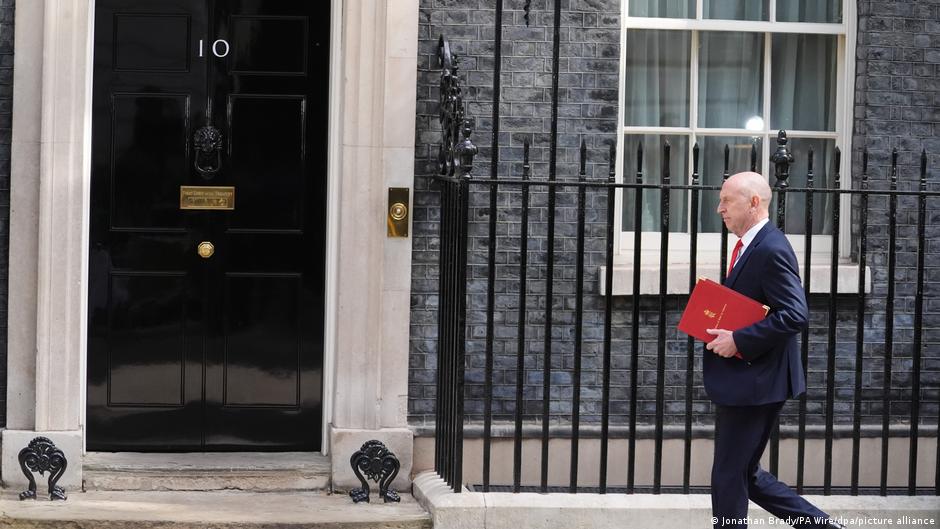
British Defence Secretary John Healey has resigned from his post, citing a fundamental disagreement with the government’s proposed Defence Investment Plan (DIP) for the period through to 2035. Healey stated that the current spending plans are inadequate to meet rising security threats and NATO targets, specifically the goal of increasing defence spending to 3.5% of GDP by 2035. The resignation adds significant pressure to Prime Minister Keir Starmer, who is already navigating political instability following recent local and regional election losses and internal dissent within the Labour Party.
In his resignation letter published at lunchtime on Thursday, Healey described the decision as one he wrote with "great reluctance". He argued that projected spending increases by 2030 were "negligible" compared to funds already guaranteed by the end of 2027, failing to address the scale of the challenge. Healey warned that without a DIP that meets current demands, he would be forced to make decisions that reduce the readiness of UK forces and increase risks to personnel on operations.
The resignation follows a protracted dispute between the Defence and Finance ministries regarding the pace of military funding. The clash pits strained public finances and anemic growth forecasts against NATO targets to continue increasing European defence expenditures. Healey noted that while he was proud of existing rapid increases in defence spending, the latest settlement fell well short of what is required for the country at this dangerous time.
Healey quoted Starmer’s own arguments from the Munich Security Conference in February, noting that the Prime Minister had previously made a powerful case for increased defence power. He highlighted the pressure on UK forces concentrated in the immediate future, citing ongoing operations in Ukraine and tensions in the Strait of Hormuz. Healey also referenced Starmer’s previous warnings that the UK could face a Russian attack on NATO members as early as 2030.
The political context for the resignation is complex, with Starmer facing disgruntlement within his Labour Party and recent policy backfires. Although previous challenges did not lead to an immediate leadership contest, the specter of internal dissent remains. Healey concluded his letter with strategic ambiguity, wishing Starmer "continuing strength" while reaffirming his support for the Labour Government.