UK Cabinet meets to reaffirm Starmer's leadership as first junior minister quits
Communities Minister Miatta Fahnbulleh becomes the first to resign following recent electoral defeats for the Labour Party
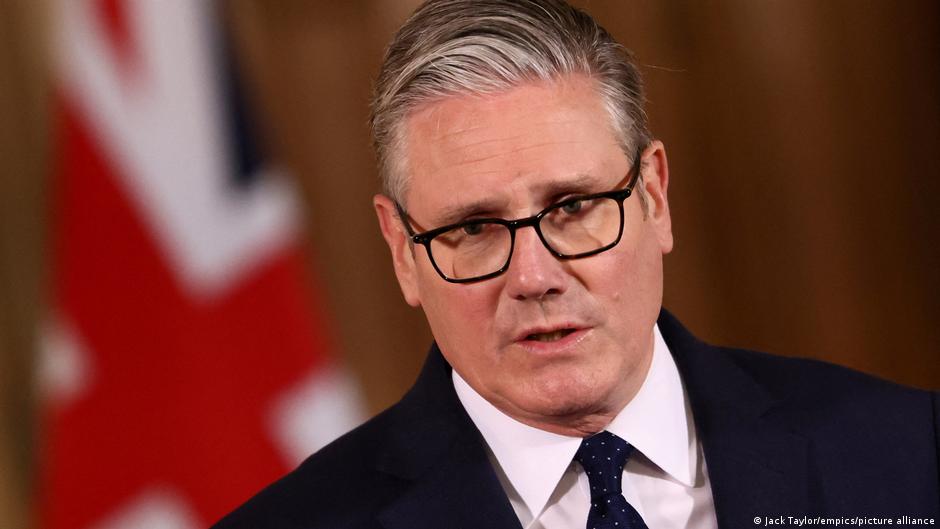
British Prime Minister Keir Starmer has convened his Cabinet to reiterate his commitment to remain in office, a move that follows the resignation of Communities Minister Miatta Fahnbulleh. Fahnbulleh became the first junior minister to leave the government, citing the need for a timetable for an orderly transition in the wake of significant electoral losses across England, Wales, and Scotland.
During the meeting, Starmer explicitly stated that the Labour Party's formal process for challenging a leader has not been triggered. He emphasised that the country expects the government to continue governing despite the destabilising events that have occurred over the past 48 hours. The Prime Minister noted that the current situation carries a real economic cost for the nation and its families.
The resignation comes after a period of intense internal pressure, with over 80 Labour MPs calling for Starmer to set a departure timetable. This figure surpasses the previous threshold of more than 70 MPs who had voiced similar concerns. The surge in dissent follows heavy defeats for the Labour Party in local and regional elections last week, which have deepened fractures within the Cabinet.
Starmer's office issued a statement clarifying that the specific threshold of support required to initiate a formal leadership challenge has not been met. While Fahnbulleh urged for a transition, the Prime Minister's response focused on the immediate necessity of governance rather than addressing the longer-term implications of an orderly exit.
This development marks a significant shift for a government that won a massive majority in the 2024 general election but has since suffered substantial setbacks. A major speech delivered by Starmer on Monday asserting he was not walking away reportedly failed to calm the waters, leaving the party grappling with the perception of a fractured leadership.
As the Cabinet continues to navigate these destabilising events, the focus remains on whether the necessary procedural steps will eventually be taken to address the leadership crisis. The resignation of Fahnbulleh signals that the internal revolt may extend beyond the current leadership standoff, raising questions about the stability of the administration.