UK borrowing costs rise as bond yields climb amid fiscal and geopolitical pressures
The yield on 10-year gilts has reached 5%, while 30-year yields have climbed to 5.67%, prompting concerns that the margin for error created by recent tax increases is being significantly diminished.
Government borrowing costs have increased as bond yields rose following a speech by Prime Minister Keir Starmer, which failed to allay investor concerns regarding political instability and inflation linked to the ongoing conflict in the Middle East. The yield on the benchmark 10-year UK government bonds, known as gilts, reached 5%, marking an increase of eight basis points from the previous level. Simultaneously, the yield on 30-year gilts climbed 9.3 basis points to 5.67%, edging closer to the 28-year high recorded last week.
This upward movement in yields represents a reversal of the declines observed after recent election results, with the gains now threatening to erode the fiscal headroom Chancellor Rachel Reeves established through tax increases in last autumn's budget. Analysts estimate that more than half of the £24bn margin for error may already have been wiped out by higher gilt yields and the prospect of weaker economic growth. Reeves has repeatedly emphasised that a significant portion of public sector spending goes toward debt interest, aiming to bring this down, but investors remain wary of a potential downgrade in the UK's creditworthiness.
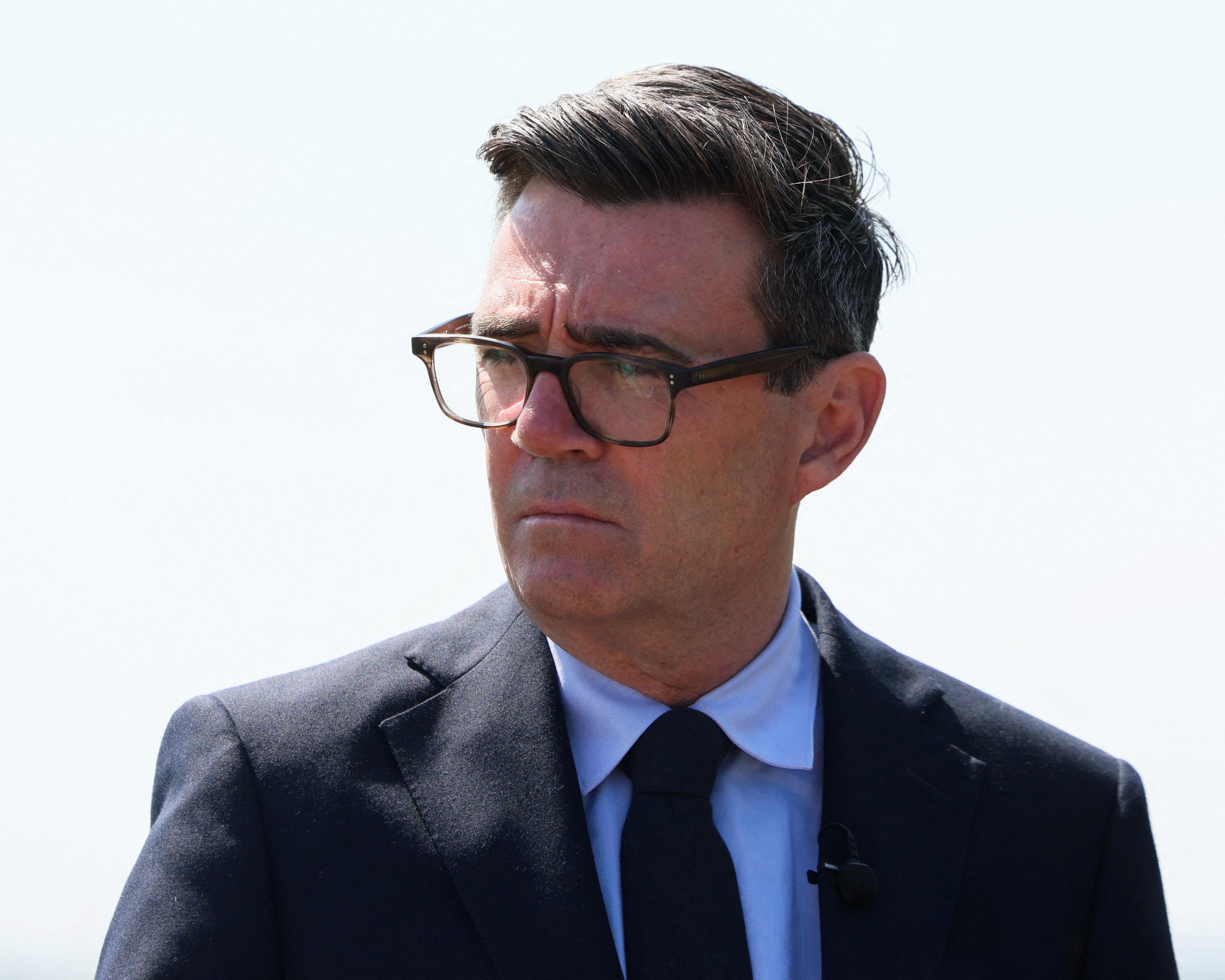
Susannah Streeter, chief investment strategist at Wealth Club, noted that the Prime Minister's address did not succeed in calming bond markets. She stated that investor jitters persist due to a collision of fears regarding political instability and inflationary concerns prompted by the conflict in the Middle East. The market is particularly sensitive to the risk that if Starmer is forced out of Downing Street, his possible replacements might seek to increase public spending and loosen the government's fiscal rules. Two potential frontrunners to succeed him, Angela Rayner and Andy Burnham, have hinted at a desire for higher public spending, adding to the uncertainty.
Experts suggest that the recent rise in gilt yields is primarily driven by a jump in energy prices rather than a potential change in leadership. Ruth Gregory, deputy chief UK economist at Capital Economics, highlighted that the UK is more exposed than many other developed countries to the threat of rising inflation from soaring energy prices linked to the Iran war. She indicated that a resolution to the conflict would likely lower yields regardless of domestic political developments, suggesting that international factors are currently weighing heavier on the gilt market than internal party dynamics.
The fiscal position of the UK government remains fragile, with investors on edge for any signs of fiscal loosening. Higher yields increase the cost of borrowing for the government and eat away at the buffer created by recent fiscal measures. This situation underscores the complex interplay between domestic political challenges and external geopolitical shocks, creating a challenging environment for the Chancellor's economic strategy. The market's reaction indicates that confidence is not merely a function of leadership continuity but is deeply intertwined with broader global economic stability.