Uganda imposes four-week border closure with DRC amid Ebola crisis
The Ugandan government has sealed its land border with the Democratic Republic of Congo for a period of four weeks, a containment measure enacted in response to the ongoing Ebola epidemic that the World Health Organization has classified as a global health emergency.
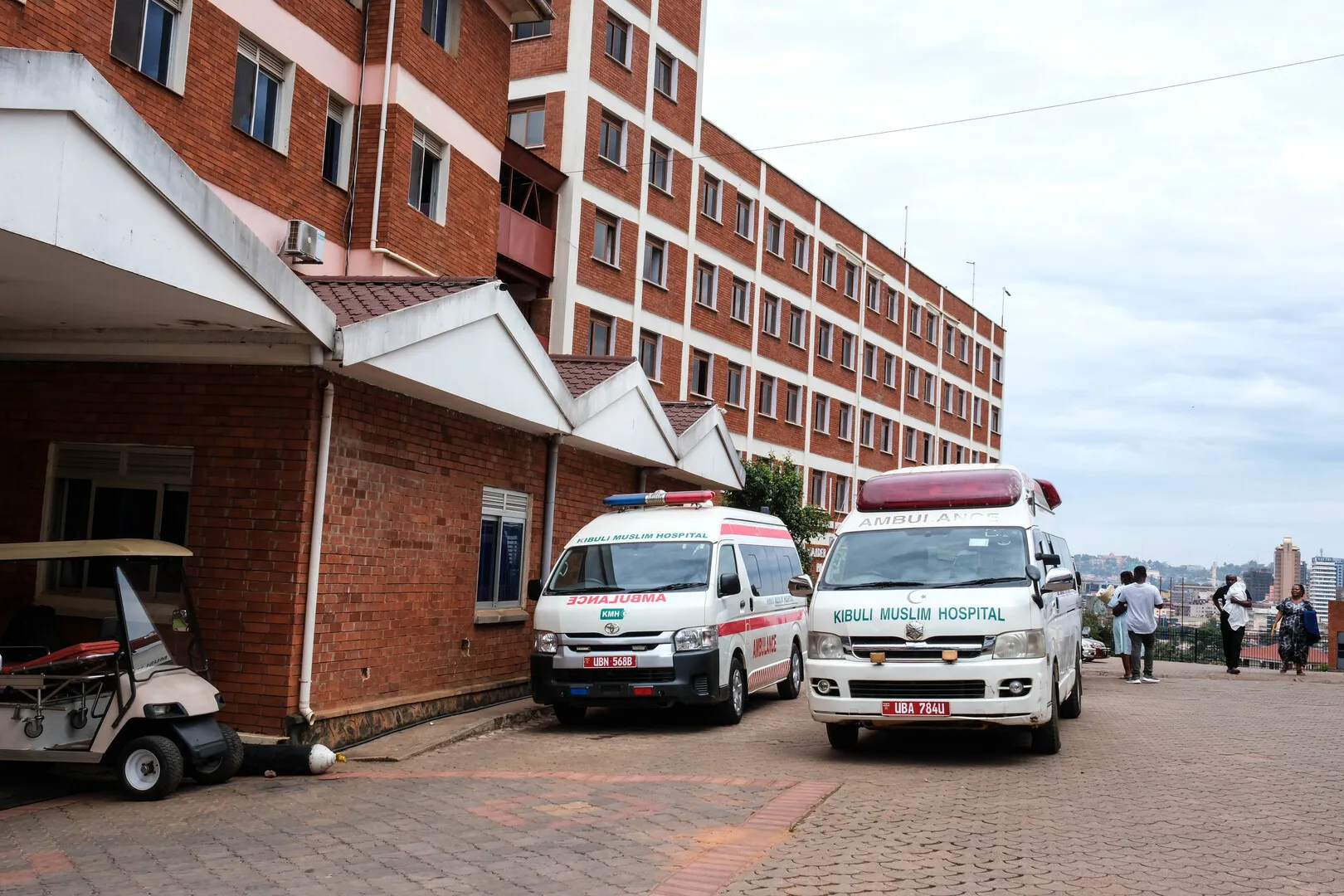
Uganda has implemented a four-week closure of its land border with the Democratic Republic of Congo (DRC), citing the need to contain an escalating Ebola outbreak. The decision represents a significant cross-border health security intervention as authorities seek to prevent the further spread of the virus from the DRC into Ugandan territory.
The containment strategy follows the World Health Organization’s (WHO) recent declaration that the Ebola outbreaks in both the DRC and Uganda constitute a Public Health Emergency of International Concern (PHEIC). This designation underscores the high national and regional risks associated with the virus, prompting urgent administrative action to limit movement across the shared frontier.
The epidemic originated in the DRC, with the first known case identified on 24 April in Bunia, located in the Ituri province. The initial case involved a nurse who developed symptoms and subsequently died. Following the death, the body was repatriated to Mongwalu, a gold-mining town that has since become a focal point for the majority of reported cases.
While the outbreak began in Ituri province, the virus has since spread to other regions, including North Kivu in the DRC and the Ugandan capital, Kampala. The geographic expansion of the outbreak has heightened concerns regarding regional stability and public health infrastructure, driving the decision to enforce strict border controls.
The four-week duration of the border closure is a specific timeframe established by Ugandan authorities to mitigate transmission risks. This measure is part of a broader response to the PHEIC, aiming to stabilise the situation in key affected areas such as Ituri, North Kivu, and Kampala while international health agencies coordinate their response efforts.