Uganda confirms five Ebola cases as WHO raises regional risk assessment
The World Health Organization has elevated the risk level for the neighbouring country, while Uganda’s national total rises to five since the outbreak began in May.
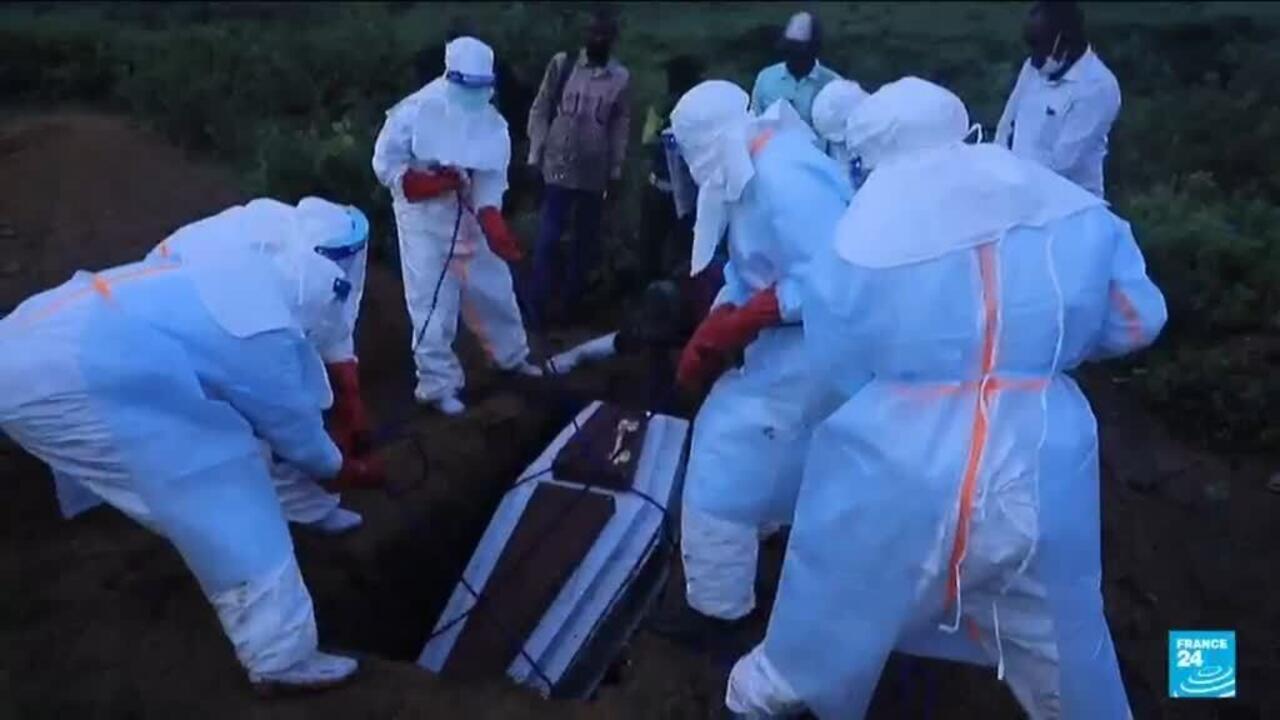
Ugandan health authorities confirmed three new cases of Ebola on Saturday, bringing the national total to five since the outbreak began on 15 May. The announcement follows a significant escalation in risk assessment by the World Health Organization (WHO), which raised the risk level for the neighbouring Democratic Republic of Congo (DRC) to the highest level.
The newly identified cases are linked to the ongoing crisis in the DRC, where the WHO has declared a Public Health Emergency of International Concern (PHEIC). The situation in the DRC is complicated by armed conflict and remote geography, particularly in the Ituri and North Kivu provinces. The first known case in the DRC was a nurse who developed symptoms and died in Bunia on 24 April.
In response to the cluster of infections, the WHO revised its risk assessment for the Bundibugyo strain on Friday. The agency classified the risk as “very high” at the national level in Uganda and “high” at the regional level, while maintaining a “low” global risk. This revision underscores the institutional concern regarding the spread of the virus within the region.
One of the newly confirmed patients in Uganda is a driver who transported one of the country’s earlier patients. This detail highlights the transmission chains that health officials are currently tracking. Authorities have stated that all contacts linked to the confirmed cases in Uganda have been identified and are being closely monitored to prevent further spread.
The outbreak in Uganda began on 15 May, with the latest cases bringing the total count to five. The WHO’s declaration of a PHEIC reflects the severity of the situation in both countries, citing high national and regional risk. The agency continues to coordinate the international response to contain the outbreak, which remains a significant public health challenge in East Africa.