UAE formally withdraws from OPEC and OPEC+ alliance
Energy Minister Suhail Al Mazrouei cites global demand as the driver for the move, which allows the UAE to increase output to approximately 5 million barrels per day effective 1 May 2026.
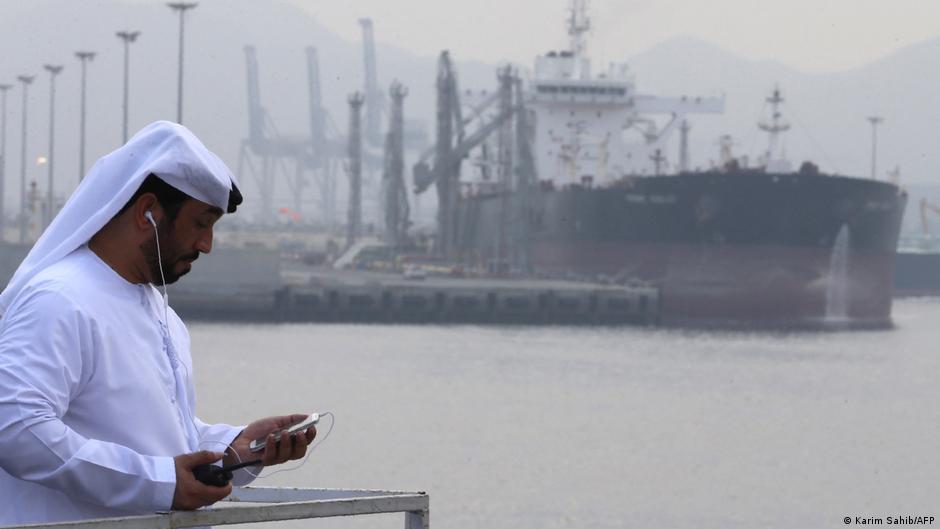
The United Arab Emirates has announced its formal departure from both OPEC and the wider OPEC+ alliance, with the exit taking effect on 1 May 2026. This decision concludes a prolonged dispute regarding production quotas, granting the UAE the freedom to increase its output to approximately 5 million barrels per day, up from its current quota-constrained level of roughly 3.2 to 3.6 million barrels per day.
Energy Minister Suhail Al Mazrouei stated that the global market requires more energy and resources, emphasising the UAE's desire to remain unconstrained by external groups. The move removes a member with significant spare capacity, potentially fragmenting the cartel and reducing Saudi Arabia's ability to manage global oil prices and discipline the alliance.
Analysts from Rystad Energy note that losing a member with 4.8 million barrels per day of spare capacity removes a critical tool from OPEC's hands for managing supply. David Oxley, Chief Climate and Commodities Economist at Capital Economics, describes the move as "the thin end of the wedge," suggesting it signals loosening ties among OPEC members and challenges the group's future cohesion.
The exit removes one of the few OPEC members with meaningful spare oil capacity, forcing Saudi Arabia to rely more heavily on its own production cuts to stabilise prices. Experts warn this shift will make defending oil prices more expensive and less effective for the Gulf Kingdom, which traditionally managed market conditions by enforcing discipline across the group.
While immediate price impacts are currently muted due to the ongoing Strait of Hormuz crisis, the announcement signals growing internal rifts within the organisation. The UAE is betting it can sell more oil once the crisis resolves, potentially adding several hundred thousand extra barrels per day to the global market in the medium term.
The departure also highlights long-standing tensions inside OPEC, particularly regarding the perception that Saudi Arabia dominates decision-making. As the cartel's overall influence has shrunk, this move adds to the sense of fragmentation, though most other members currently lack the UAE's production capacity or economic diversification to follow suit.