UAE exits OPEC to weaken cartel pricing power and align with US energy strategy
The Gulf state aims to release an additional two million barrels per day once the Strait of Hormuz reopens, a move designed to lower global oil prices ahead of the US mid-term elections.
The United Arab Emirates has officially exited OPEC, a decision that took effect on Friday and marks a significant shift in the region's energy governance. Experts describe the move as a strategic realignment intended to weaken the oil-producing cartel's ability to set prices, bringing the UAE closer to United States interests. This withdrawal follows years of public complaints from the Gulf state regarding OPEC production quotas, which have historically limited its ability to market increased output despite significant investment in boosting capacity.
The timing of the exit coincides with a recent request by the UAE for a currency swap line with the United States. Analysts characterise this financial arrangement as a fundamentally political move that reinforces the economic and diplomatic closeness between the two nations. The decision to leave the organisation comes as global oil benchmark Brent crude futures recently rose to $126.41 a barrel, driven by the ongoing blockade of the Strait of Hormuz due to the US-Israel war on Iran.
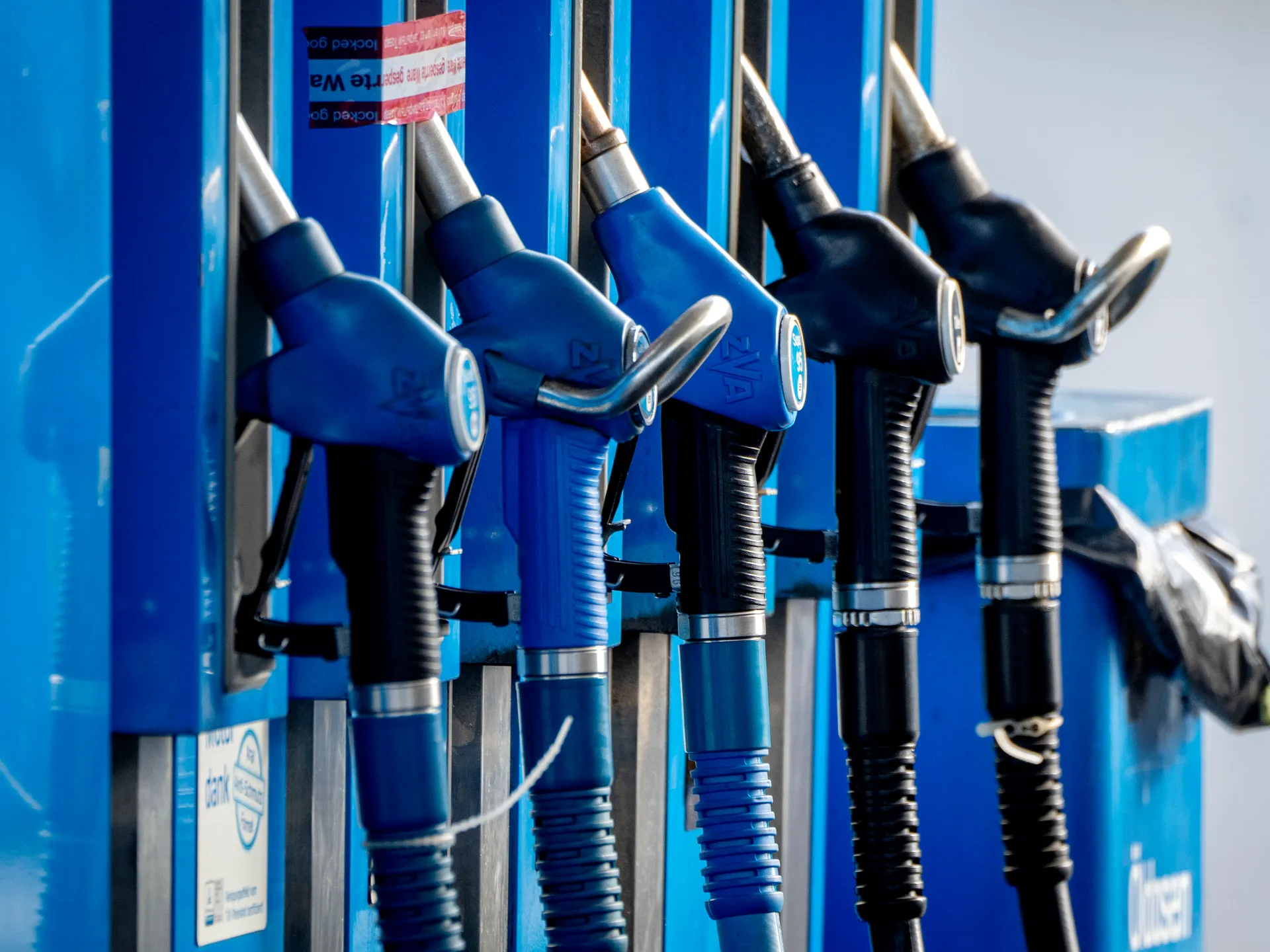
Once the Strait of Hormuz reopens, the UAE plans to increase oil production by approximately 2 million barrels per day. This surge in supply is explicitly aimed at lowering global oil prices and alleviating inflationary pressure ahead of the US mid-term elections in November. The strategy seeks to reduce the cost of petrol for American consumers, with current prices in the US averaging $4.33 per gallon, nearly double the rate prior to the conflict in the region.
The exit also follows a period of heightened uncertainty in the global energy market. With the Strait of Hormuz blocked, the flow of 20 per cent of the world's oil and gas has been disrupted, contributing to soaring prices and stressing household budgets. The United States, currently the largest oil producer, is expected to benefit from the UAE's departure, particularly as access to Venezuelan oil is anticipated to further strengthen its position in the market.
Analysts suggest that the UAE's exit may encourage other OPEC members to follow suit, potentially leaving the organisation in a weaker shape. However, while some experts predict a fractured cartel, others believe OPEC will survive intact but with reduced effectiveness. The long-term impact of this shift on regional cooperation within the Gulf remains to be seen, with observers monitoring whether the conflict will reshape or threaten the survival of the Gulf Cooperation Council.
The move signals a broader trend of nations balancing relationships for economic and security arrangements that suit national interests. By stepping away from the cartel, the UAE positions itself as an important player in the global energy market, ready to help restock supplies once the Strait of Hormuz normalises. This approach prioritises trade openness and market competition over the collective pricing mechanisms that defined the cartel's previous structure.