UAE exits OPEC and OPEC+ citing national interests amid regional tensions
The move comes as the UAE reassesses its strategic position following the ongoing Iran conflict and disruptions to Gulf shipping routes.
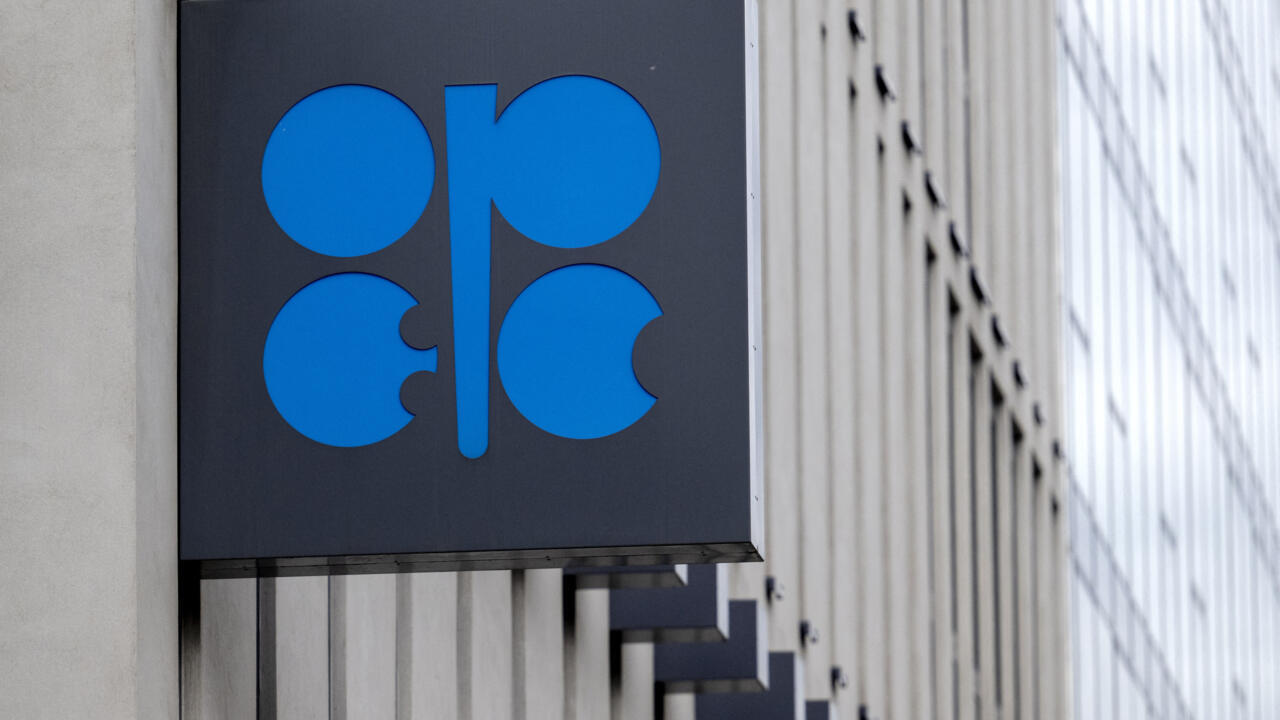
The United Arab Emirates has formally announced its withdrawal from both OPEC and OPEC+, a decision set to take effect on Friday, 1 May. The official statement, issued by the UAE's WAM news agency, attributes the departure to a long-term strategic vision and an evolving energy profile that prioritises national interests. This institutional pivot occurs against a backdrop of rising global energy prices and heightened geopolitical instability in the region.
The timing of the announcement coincides with the ongoing conflict involving Iran, which has led to reported disruptions in Gulf oil shipments through the Strait of Hormuz. The UAE, a top global oil producer, noted that the current climate requires a reorientation of efforts away from the cartels. While the statement acknowledges past contributions to the group, it emphasises that the time has come to focus on domestic priorities dictated by national security concerns.
During its tenure, the UAE has frequently resisted production quotas imposed by OPEC+, a stance that aligns with its independent approach to energy policy. The decision to leave the cartels marks a definitive end to its membership, occurring just as other major members, including Russia and Saudi Arabia, have recently extended their own output cuts. This divergence in strategy highlights the complex dynamics within the organisation as external pressures mount.
The Strait of Hormuz, a narrow chokepoint carrying approximately one-fifth of the world's oil, is currently facing severe challenges due to the blockade and attacks attributed to Iran. As a nation whose economy and logistics are deeply intertwined with this waterway, the UAE's exit from the oil cartels reflects a broader reassessment of its engagement with regional security issues. The government has indicated that the relationship with powerful neighbours, such as Saudi Arabia, has also faced recent difficulties, further complicating the regional energy landscape.
While the specific operational impact of the UAE's withdrawal on global supply chains remains to be fully assessed, the move signals a significant shift in the region's energy governance. The decision underscores the limitations of collective action when faced with acute security threats and suggests that national interests may increasingly supersede cartel coordination. As the effective date approaches, the focus turns to how this departure will influence future production decisions and diplomatic relations within the oil-producing community.