UAE exits OPEC and OPEC+ alliances, ending six decades of membership
The move is viewed by analysts as a significant blow to the alliance's capacity and cohesion, potentially paving the way for closer economic ties between the Emirates and the United States.
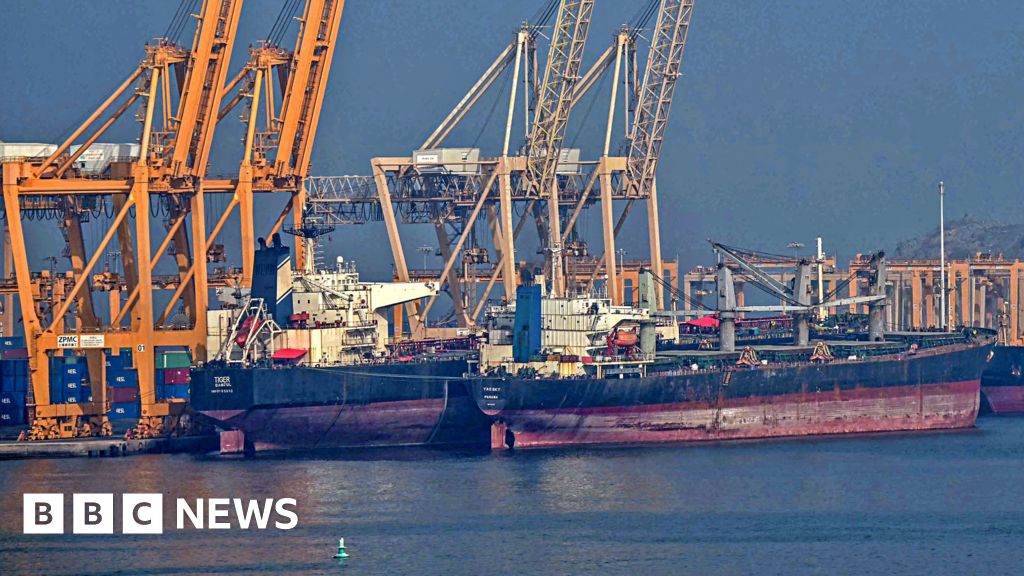
The United Arab Emirates has formally announced its withdrawal from both OPEC and the OPEC+ alliance, effective 1 May. This decision concludes the nation's nearly 60-year membership in the groups, representing a decisive break from the institutional framework that has long governed global oil production policy. The state news agency confirmed the announcement on 28 April, citing the need for greater operational flexibility to meet growing global energy demand without the constraints of group-imposed quotas.
The strategic rationale behind the exit centres on recent investments designed to boost domestic production capacity. By leaving the cartel, the UAE aims to pump more oil to address long-term demand without being bound by output restrictions. Dr Carole Nakhle, secretary general of the Arab Energy Club, noted that while Abu Dhabi has pursued ambitious capacity growth, it often felt constrained by group quotas, particularly given uneven compliance by other members. The departure removes approximately 15% of the cartel's total capacity and eliminates one of its most compliant members, a fact highlighted by Saul Kavonic of MST Financial.
The geopolitical implications of the move are significant, particularly in Washington. The decision is widely viewed as a victory for US President Donald Trump, who has long criticised OPEC for raising global costs. Trump previously urged Saudi Arabia and other OPEC nations to lower oil prices in January, a stance that aligns with the UAE's independent approach to energy policy. Analysts suggest this shift may facilitate closer diplomatic and economic ties between the Emirates and the United States, reshaping the Middle East's energy landscape.
Economists warn that while the exit will not immediately impact global supply due to the ongoing closure of the Strait of Hormuz, it could lead to higher long-term output and lower oil prices. However, David Oxley of Capital Economics cautioned that this increase in supply could bring higher market volatility in the coming decades. The World Bank has already warned that the war in the Middle East has caused record oil supply losses, with energy prices expected to rise by about a quarter this year before shipping routes stabilise.
The structural impact on OPEC remains profound. With the UAE leaving, the cartel will be reduced to 11 members, leaving Saudi Arabia to shoulder the burden of maintaining internal compliance and market management alone. Professor David Elmes of Warwick Business School pointed out that the UAE has one of the lowest break-even prices for oil extraction, allowing it to remain profitable even at lower price points. This economic reality means the Emirates is less concerned with keeping prices high than with maximising sales, a strategy now free from cartel oversight.
The decision also underscores internal tensions within the wider OPEC+ alliance. Experts suggest that Iran's actions as a member, alongside the UAE's departure, may have reinforced the resolve to leave. Saul Kavonic argued that Saudi Arabia will struggle to keep the remaining members together, effectively having to do the heavy lifting regarding market management on its own. This development presents a fundamental reshaping of the Middle East's energy architecture, with potential ripple effects for other member states considering similar exits.