UAE dismisses allegations of backing RSF and Colombian mercenaries in Sudan
Human Rights Watch and other monitors allege Abu Dhabi supplies arms and recruits contractors, accusations the UAE rejects as baseless amid escalating conflict.
The United Arab Emirates has firmly rejected allegations that it is providing military support to the Rapid Support Forces (RSF) in Sudan or recruiting Colombian mercenaries to fight alongside the militia. The denial follows a series of high-profile defections from the RSF to the Sudanese Armed Forces (SAF), including former senior commanders Al-Nour Ahmed Adam and Ali Rizq Allah, which have intensified scrutiny of external actors sustaining the conflict.
Human Rights Watch (HRW) published an 83-page report titled "From Bogota to El Fasher," detailing how an Abu Dhabi-based security company, Global Security Services Group (GSSG), allegedly hired hundreds of Colombian contractors since 2024. The investigation cites social media evidence, including geolocated TikTok posts, showing Spanish-speaking private military contractors at UAE military sites prior to their deployment to Sudan.
Salem Aljaberi, the UAE’s assistant minister for security and military affairs, described the allegations from Amnesty International and HRW as baseless and lacking substantiated evidence. In late 2025, Anwar Mohammad Gargash, an advisor to the UAE president, stated that the country calls for an immediate ceasefire and advocates for a civilian transition in Sudan, rejecting the notion of a military junta leading the nation.
The accusations of external support are corroborated by other reports. US intelligence sources previously told The Wall Street Journal that the UAE supplied the RSF with advanced Chinese-made drones, small arms, and artillery. Additionally, a report by the Conflict Insights Group in April used cell phone tracking data to link Colombian mercenaries to a training facility in Ghayathi, arguing that UAE involvement enabled the RSF’s capture of El Fasher in October 2025.
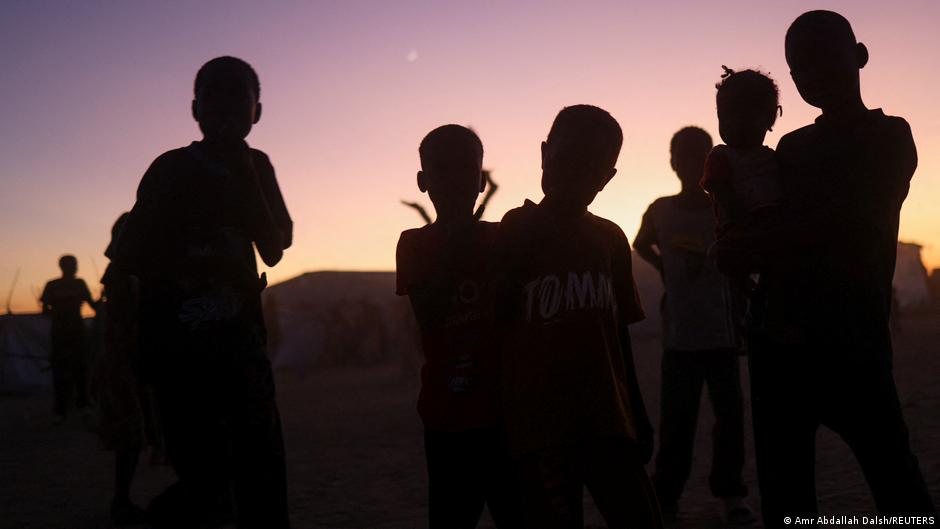
The conflict has resulted in a severe humanitarian crisis, with the UN fact-finding mission describing the siege of El Fasher as bearing the "hallmarks of genocide," where an estimated 70,000 people were killed. While SAF leader Abdel Fattah al-Burhan has offered amnesty to RSF members who lay down their arms, HRW researcher Mohamed Osman emphasised that those responsible for serious international crimes must not receive impunity.