Typhoon Dolphin triggers transport shutdowns and diplomatic friction across East Asia
As Typhoon Dolphin moves from Japan toward China’s eastern coast, authorities have suspended ferry routes and airport operations, while Taipei condemns Beijing’s new traffic directives as a violation of international norms.
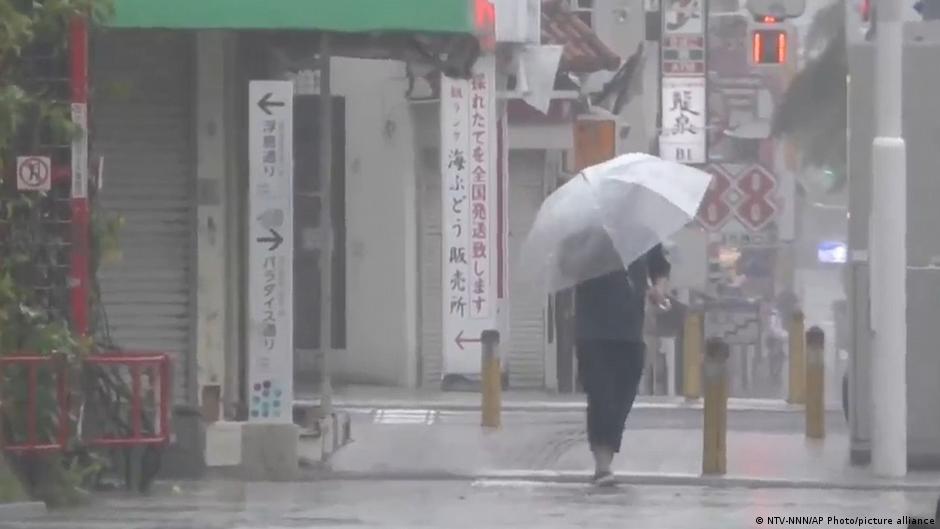
Typhoon Dolphin struck Japan’s southern regions on Saturday, causing injuries and power blackouts, with Okinawa and Kagoshima prefecture bearing the brunt of the impact. The storm is now tracking toward China, with forecasts indicating landfall along the eastern and southern coasts between late Sunday and early Monday. Specifically, the China National Meteorological Centre predicts the system will make landfall between the city of Zhoushan in Zhejiang province and the city of Fuding in Fujian province.
In response to the approaching system, Chinese authorities have escalated coastal typhoon alerts to the highest level in Zhejiang province. Officials have ceased port operations and suspended 162 passenger ferry routes. Ningbo Lishe International Airport in Zhejiang suspended operations from 23:30 local time on Saturday, cancelling all flights for Sunday. Forecasters warn that parts of eastern Zhejiang could receive more than 600 mm of rain, with strong winds and rain expected to affect eastern China, including parts of Shanghai, through August 12.
Taiwan has also taken significant precautionary measures, cancelling 63 international flights as the island braces for heavy rain in the north over the weekend. The storm’s trajectory has intersected with longstanding geopolitical tensions, as Beijing ordered ships passing through the Taiwan Strait to adhere to its traffic control instructions during the weather event.
Taipei’s Mainland Affairs Council condemned the directive late on Friday, describing it as a violation of international norms. In a statement, the council labelled Beijing’s injunctions as unreasonable and crude, asserting that China has no right to restrict access to international waters. The council stated that the move reflected an ignorance and disregard for international order.
China regards Taiwan as a breakaway territory and claims ownership of the strategic Taiwan Strait, a position rejected by both Taipei and Washington. The incident highlights the intersection of natural disaster management and regional political friction, as navigational protocols become a point of contention during the storm’s passage.