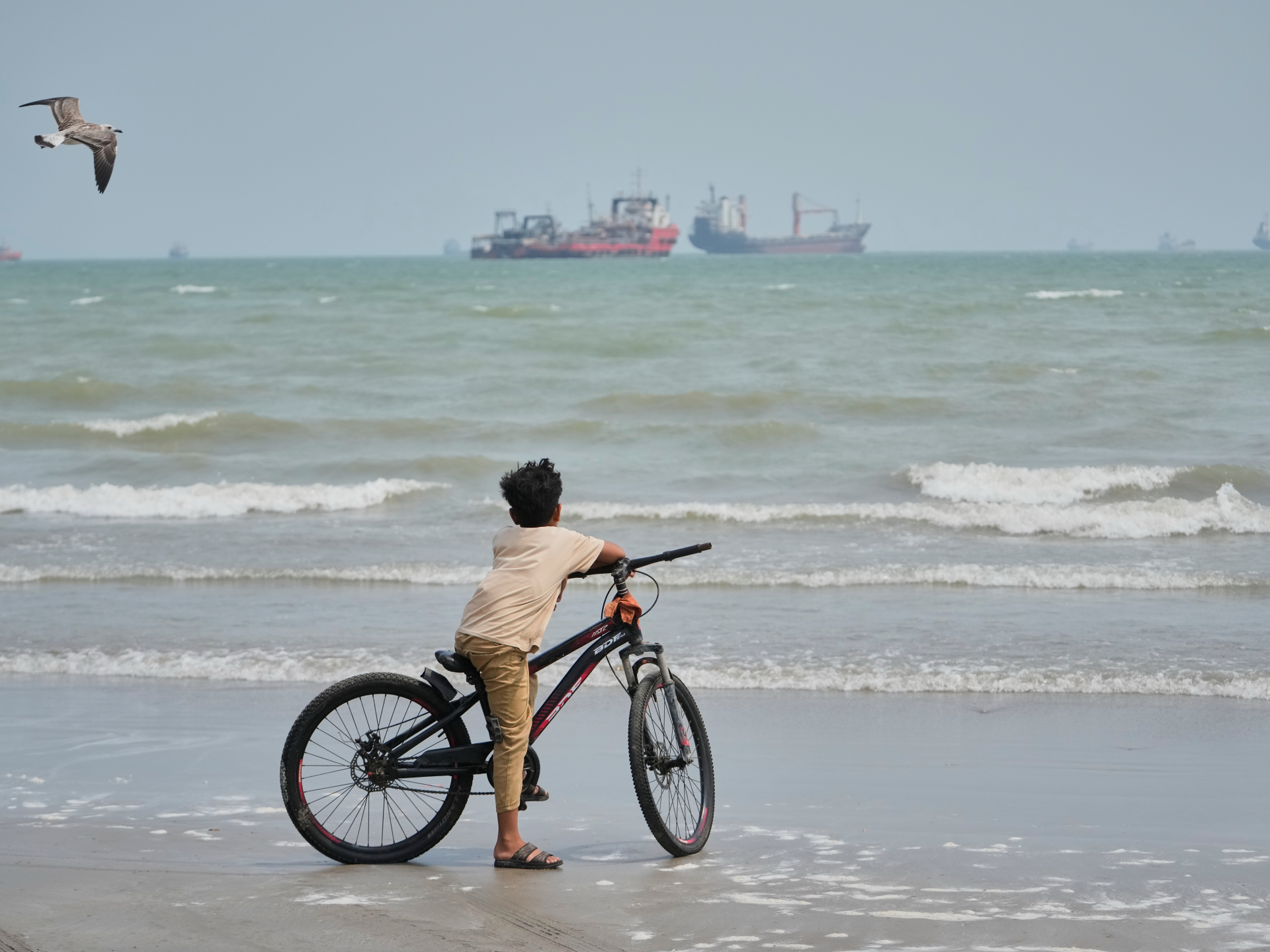
Typhoon Dolphin triggers mass evacuations and flight cancellations across China’s eastern coast
Authorities have relocated approximately 500,000 people and cancelled over 1,600 flights ahead of the typhoon’s expected landfall on Sunday night.
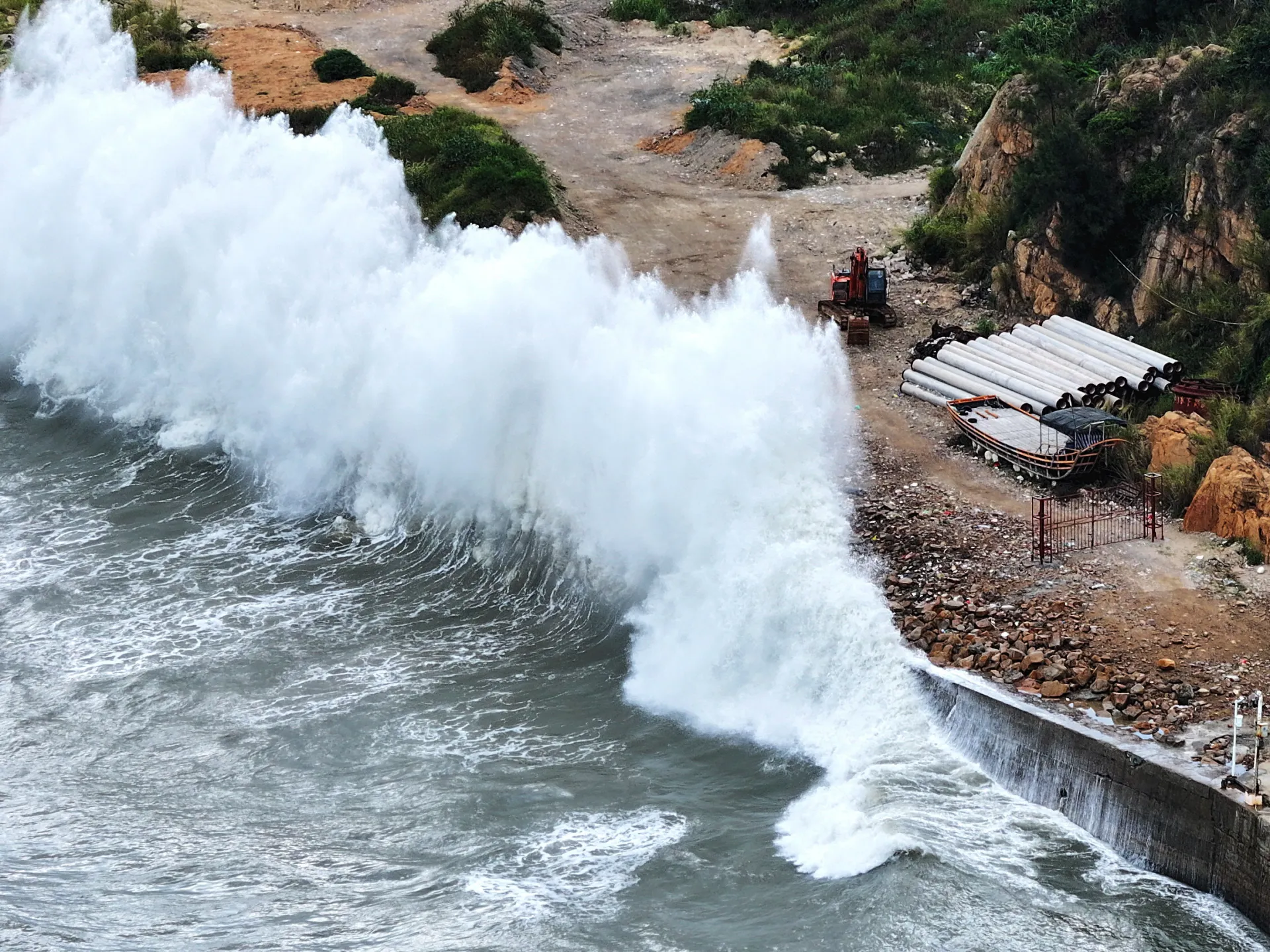
China’s National Meteorological Center has issued a red typhoon alert, its most severe warning level, as Typhoon Dolphin approaches the country’s densely populated eastern coast. The storm is expected to make landfall overnight on Sunday, bringing sustained winds of up to 162km/h and significant precipitation to key economic hubs including Shanghai, Zhejiang, and Fujian provinces.
In response to the threat, authorities have initiated large-scale evacuations and suspended critical transport services. Approximately 500,000 people have been relocated from risky areas, with Zhejiang province accounting for the majority of the displacement. On Saturday evening, officials in Taizhou, Zhejiang, evacuated around 390,000 residents, while Shanghai relocated more than 30,000 people from vulnerable zones. Fujian province also moved approximately 99,000 individuals from high-risk locations ahead of the storm’s arrival.
The aviation sector has been heavily impacted by the approaching system. More than 1,600 flights have been cancelled nationwide, with Shanghai’s Hongqiao and Pudong airports alone accounting for nearly 1,400 cancellations on Sunday. Hangzhou’s airport in Zhejiang province has also cancelled 270 inbound and outbound flights. Additionally, ferry services on more than 200 routes in Zhejiang and Fujian have been suspended to ensure public safety.
Meteorological forecasts indicate that central and eastern Zhejiang will experience extraordinary torrential rain, with potential rainfall totals between 250mm and 500mm. Heavy precipitation is also expected to persist through Monday across Shanghai, northern Fujian, northeastern Jiangxi, central and southern Anhui, and much of Jiangsu province. Authorities are preparing for potential floods and landslides as the storm weakens and moves inland.
Prior to reaching the Chinese mainland, Typhoon Dolphin affected northern Taiwan and Japan’s Okinawa prefecture. In Taiwan, the storm’s outer bands caused downpours and strong winds, leading to the suspension of dozens of ferry services and the cancellation of more than 180 flights. In Okinawa, the typhoon injured seven people and disrupted power to more than 50,000 buildings, with 5,290 households still without electricity as of Sunday afternoon.