Turnout could tighten Commons vote on revived assisted dying bill
MPs are warning that absences, rather than changed positions, may determine Friday’s vote after the House of Lords rejected the bill following extensive debate and amendments.
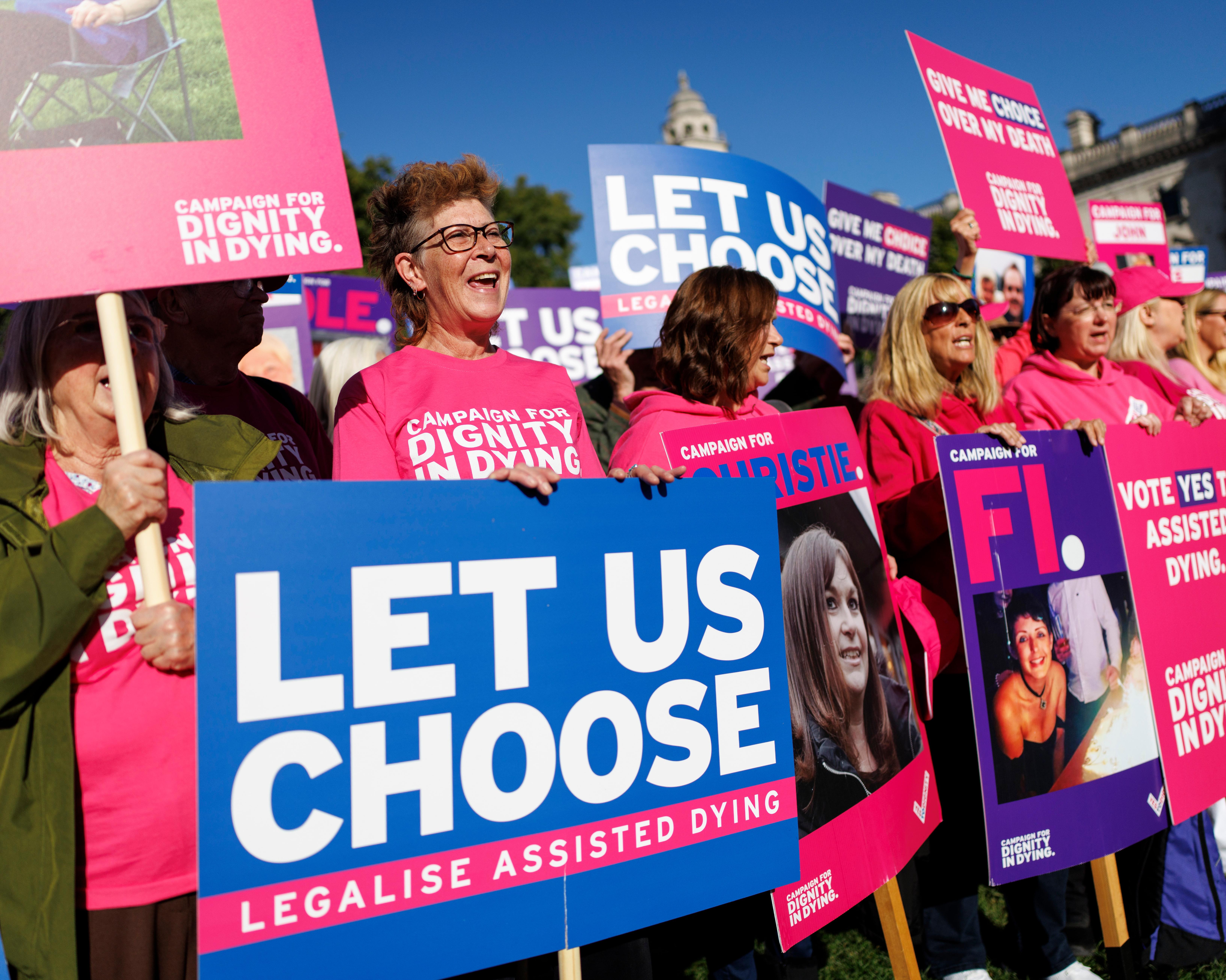
MPs on both sides of the assisted dying debate have warned that low attendance could narrow the margin when a revived bill returns to the House of Commons on Friday.
The private member’s bill, originally sponsored by Kim Leadbeater, has been revived by Labour MP Lauren Edwards. It previously passed the Commons by a majority of 23 before being rejected by the House of Lords after several days of debate and numerous amendments.
Supporters are presenting the vote as a test of the elected chamber’s authority. Edwards has argued that the Lords should not be allowed to frustrate the Commons a second time, while former Welsh secretary Jo Stevens accused a small number of unelected peers of acting against the Commons’ decision.
The Guardian reported that MPs believe the immediate risk to the bill may come from absences rather than defections. One MP said no one had changed sides but that the numbers could be tighter because some members would be absent.
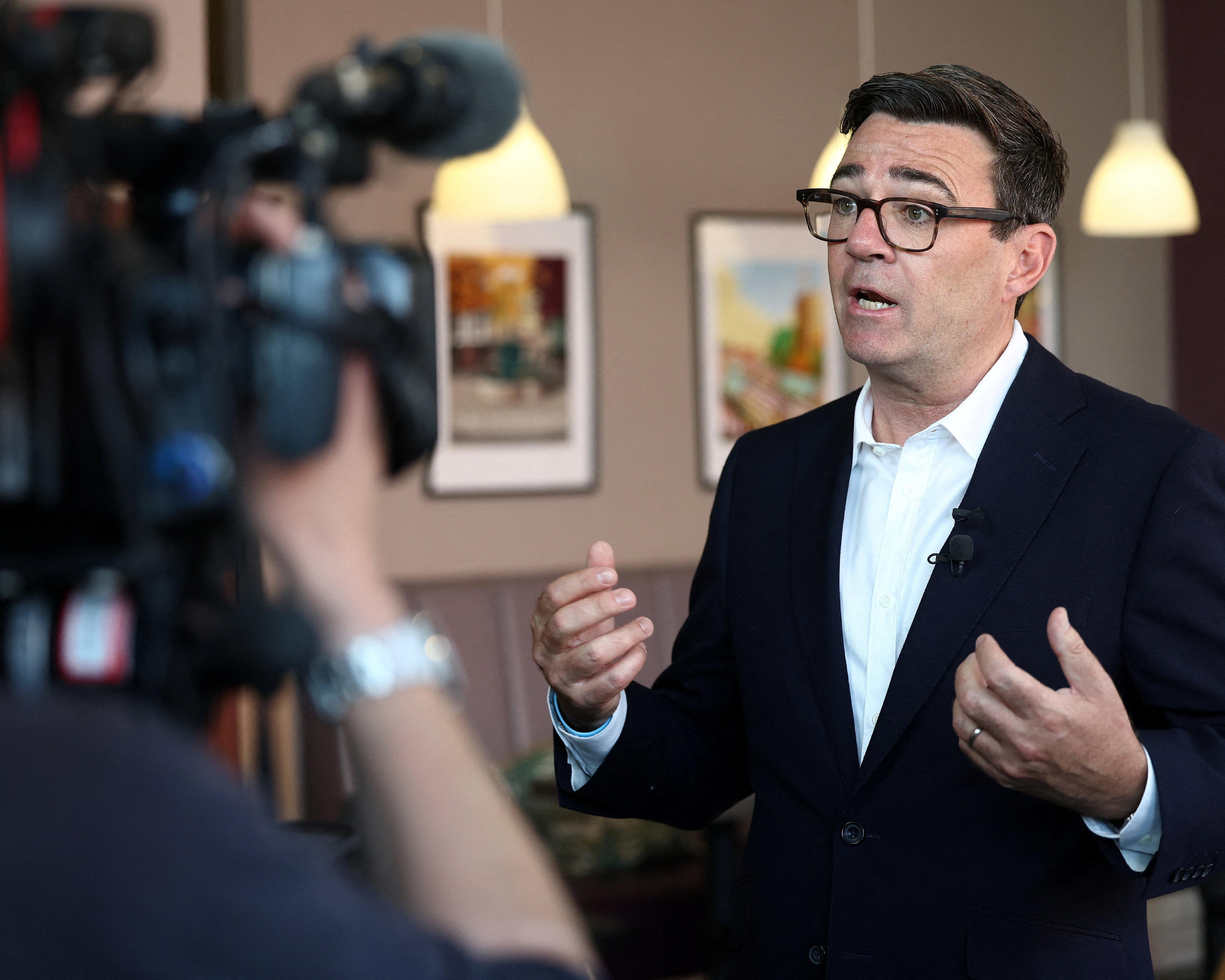
Two MPs who previously supported the bill are no longer in the Commons. Keir Starmer has left Parliament and has not yet been replaced, while Josh Simons was replaced by Andy Burnham, who has said he will abstain.
If the Lords rejects the bill a second time, the Parliament Act could potentially be considered, subject to its conditions. Its use is not automatic, and several supporters have previously expressed reservations about relying on it.