Turkey’s LGBTQ+ raids draw domestic and EU condemnation
Raids targeting LGBTQ+ activists and organisations in three Turkish cities have prompted protests and accusations of discrimination and digital censorship.
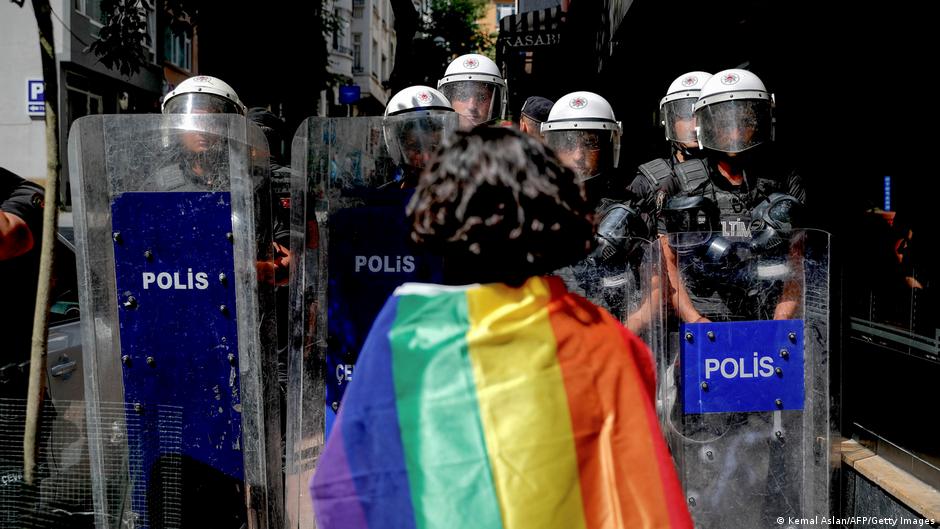
Turkish authorities have raided LGBTQ+ activists and organisations in Istanbul, Ankara and Izmir, arrested several people and reportedly blocked more than 100 websites and social media accounts. The operations have drawn criticism from Turkish civil society groups, women’s rights organisations, the European Union and Human Rights Watch.
Demonstrations were held in Istanbul on Tuesday, as LGBTQ+ associations argued that freedom of assembly, freedom of expression, privacy and the presumption of innocence applied equally to LGBTQ+ people. A joint statement opposing the operations was signed by 120 women’s rights organisations.
The Turkish Medical Association described the actions as a human rights violation and called for an end to discrimination. Workers’ Party of Turkey chairman Erkan Bas called for those arrested to be released.
The account suspensions reportedly affected Amnesty International Turkey, Kaos GL, the Evrensel newspaper, the Academics for Peace initiative, the Lawyers for Justice association, Mor Dayanisma and the Media and Law Studies Association. Authorities cited investigations into alleged “obscene content and LGBTQ+ propaganda”, while several media outlets reported that “national security” was also invoked.
President Recep Tayyip Erdogan linked the operation to the “Decade of Family and Population” strategy, proclaimed in May 2025. The strategy was presented as a response to Turkey’s declining birthrate and a means of strengthening the traditional, conservative family model.
Homosexual relationships are not criminalised in Turkey, but critics say pressure on LGBTQ+ people and organisations has increased over several years. The European Commission said Turkey should respect human rights regardless of gender identity or sexual orientation, while Human Rights Watch interpreted the arrests as evidence of an intention to criminalise LGBTQ+ people without introducing new laws.