Turkey Parliament Passes Framework Law for PKK Disarmament Process
The bill allows for sentence suspensions for up to 3,600 prisoners if the Kurdistan Workers’ Party verifies its disarmament, though founder Abdullah Ocalan remains excluded.
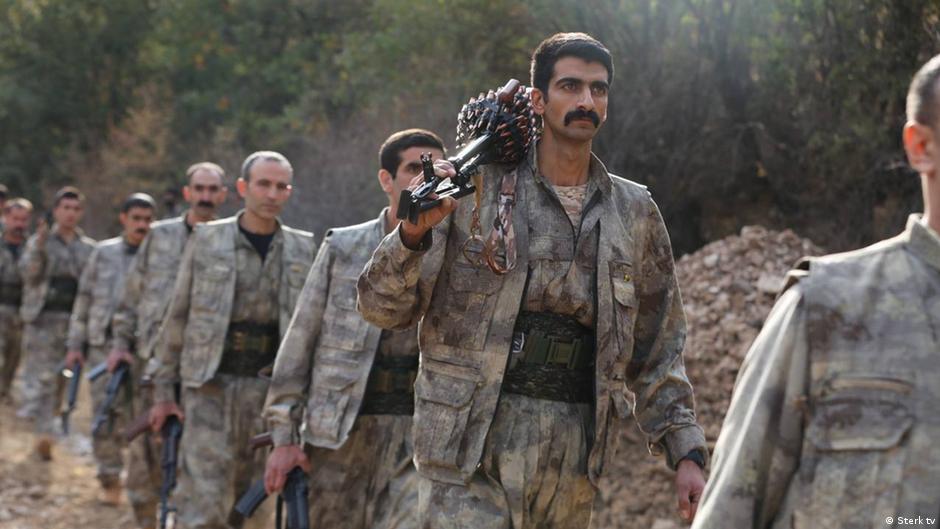
Turkey’s parliament has passed a framework law intended to establish the legal basis for the peace process with the Kurdistan Workers’ Party (PKK). Officially titled the "Law on Strengthening National Solidarity and Social Integration," the legislation was approved with 467 votes in favour out of 592 MPs present. The bill was supported by the ruling Justice and Development Party (AKP), its coalition ally the Nationalist Movement Party (MHP), and the pro-Kurdish Democracy and Progress Party (DEM), while facing fierce opposition from the ultranationalist IYI party.
The law stipulates that prison sentences for PKK members will be suspended provided the group is verified to have disbanded and disarmed. For convictions carrying sentences of up to 15 years, the suspension will last five years, while longer or life sentences will see a ten-year suspension. Ongoing investigations related to PKK membership, propaganda, financing, or intentional support are to be put on hold. According to pro-government media, up to 3,600 prisoners could potentially benefit from these measures, subject to verification by Turkish authorities and official confirmation by the National Security Council.
The legislation explicitly excludes individuals convicted prior to June 1, 2005, when the current penal code came into force, as well as those convicted of homicide with final convictions. Consequently, PKK founder Abdullah Ocalan remains ineligible for sentence suspension. Ocalan, who has been imprisoned since 1999, called for the PKK to disband and end its armed struggle in February 2025, a move the Kurdish side has cited as a prerequisite for further political engagement.
The passage of the bill has highlighted deep societal and political divides. During parliamentary debates, IYI delegate Ayyuce Turkes accused the government of rushing the landmark legislation and adopting an overly conciliatory stance toward Ocalan, leading to a physical altercation in the chamber. While the MHP has shifted from previous opposition to supporting the initiative, observers attribute this change to evolving regional security dynamics, including the fall of the Assad regime in Syria and shifting conflicts in Gaza and between Israel, the United States, and Iran.
Critics argue the law lacks comprehensive democratic reforms and note that President Recep Tayyip Erdogan retains significant control over the process. Political scientist Berk Esen and Kurdish Studies Center director Reha Ruhavioglu suggest that Erdogan will set the pace of implementation to manage political risks ahead of the 2028 elections. The DEM party supports the bill as a first step but demands further reforms, arguing that without Ocalan’s freedom to coordinate the process, disarmament cannot be fully resolved.