Turkey marks decade since 2016 coup as political transformation deepens
Official figures show over 125,000 dismissals and 390,000 detentions following the July 2016 event, while opposition leaders face renewed legal challenges.
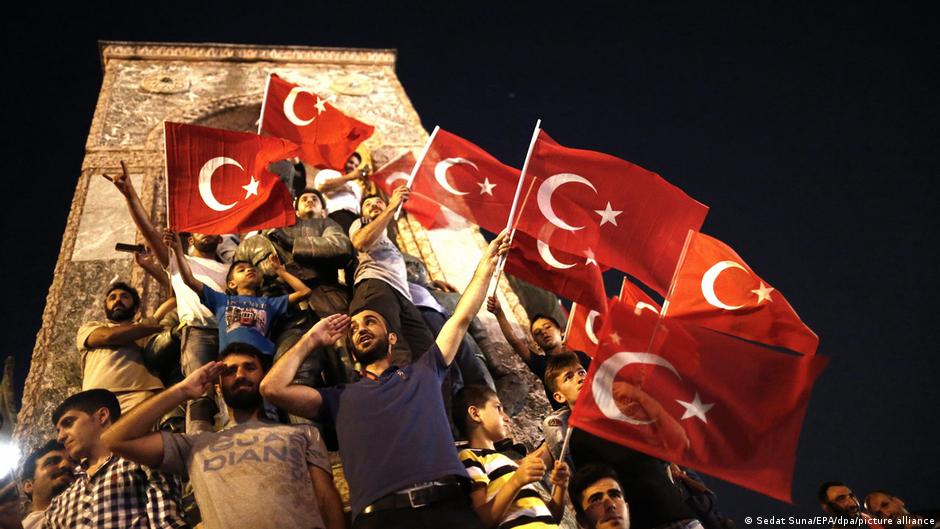
Turkey is commemorating the tenth anniversary of the failed coup attempt on 15 July 2016, an event that resulted in 253 deaths and precipitated a fundamental restructuring of the nation’s governance. The uprising, which saw tanks roll through Ankara and Istanbul and fighter jets target civilian infrastructure, was attributed by the government to the US-based Gulen movement. The aftermath triggered a two-year state of emergency that fundamentally altered the balance of power between the state and its institutions.
Six days after the initial unrest, parliament approved a state of emergency that was extended seven times until July 2018. During this period, President Recep Tayyip Erdogan issued 32 emergency decrees, leading to the dismissal of more than 125,000 civil servants and military personnel. According to official figures, approximately 390,000 people were detained or arrested on suspicion of ties to the Gulen movement, with 113,000 placed in pretrial detention. Additionally, 2,761 institutions, including schools, associations, and media outlets, were closed.
The political landscape shifted decisively with the 2017 constitutional referendum, supported by the Nationalist Movement Party (MHP). The vote abolished the prime ministerial office and established an expanded presidential system, significantly concentrating executive authority. Political scientist Ersin Kalaycioglu describes the current structure as "neopatrimonial sultanism," noting that the emergency decree practices have become institutionalised, creating an extremely centralized administration that prioritises political directives over professional bureaucratic standards.
The consolidation of power has also reshaped the opposition dynamic. The requirement for an absolute majority in the presidential system encouraged opposition parties to form electoral alliances. This strategy enabled the Republican People's Party (CHP) to win the mayoral races in Istanbul and Ankara in both 2019 and 2024. However, these victories have been accompanied by intensified legal scrutiny, with opposition figures facing terrorism-related allegations and criminal proceedings.
Among the most prominent cases is that of Istanbul Mayor Ekrem Imamoglu, who faces criminal prosecution following his re-election victory. The government’s designation of the Gulen movement as a terrorist organisation has also led to the sentencing of 4,130 individuals to life imprisonment for alleged involvement in the coup. Fethullah Gulen, the movement’s founder who died in the United States in 2024, has consistently denied involvement in the 2016 events.