Turkey detains 209 ahead of NATO summit as security lockdown tightens
With US President Donald Trump and allied leaders set to convene in the Turkish capital, authorities have moved to neutralise alleged threats from Islamic State affiliates and the DHKP-C while restricting public movement.
Turkish security forces have detained 209 individuals suspected of links to the Islamic State and other organisations designated as terrorist groups by Ankara, ahead of the NATO summit scheduled for July 7-8. The Ankara prosecutor's office confirmed that 241 arrest warrants were issued in the operation, with 32 suspects still at large as police operations continue.
Among those taken into custody, 56 were alleged members of the self-styled Islamic State group, while 35 were identified as members of the Revolutionary People's Liberation Party/Front (DHKP-C). The DHKP-C is a communist group that has claimed responsibility for past attacks and is designated as a terrorist organisation by the Turkish government.
In a separate coordinated operation, prosecutors in Istanbul led to the arrest of 24 individuals across eight provinces, specifically targeting members of the DHKP-C. These actions form part of a broader security sweep by President Recep Tayyip Erdogan’s administration, which has frequently conducted similar operations in response to violent threats from internal dissident groups.
The government has implemented strict security measures to secure the capital for the summit. Public demonstrations have been banned from June 28 until the event concludes. Authorities have also announced restrictions on access to roads leading to airports, with areas surrounding the summit venue and hotels hosting delegations set to be sealed off.
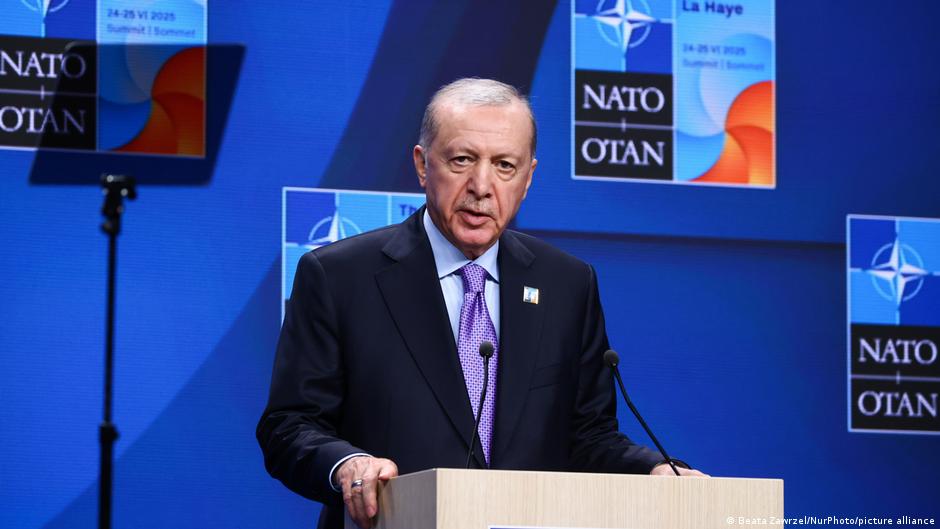
US President Donald Trump and the leaders of the other 31 NATO member states are expected to attend the annual gathering in Ankara. This crackdown follows a nationwide sweep last month that resulted in the detention of 324 people suspected of links to the Islamic State, underscoring the heightened security posture surrounding the diplomatic event.