Tunisia’s summer shortages expose strain on water and power systems
Millions faced prolonged electricity and water cuts during an extreme heatwave as officials and state-owned companies disputed the cause of the crisis.
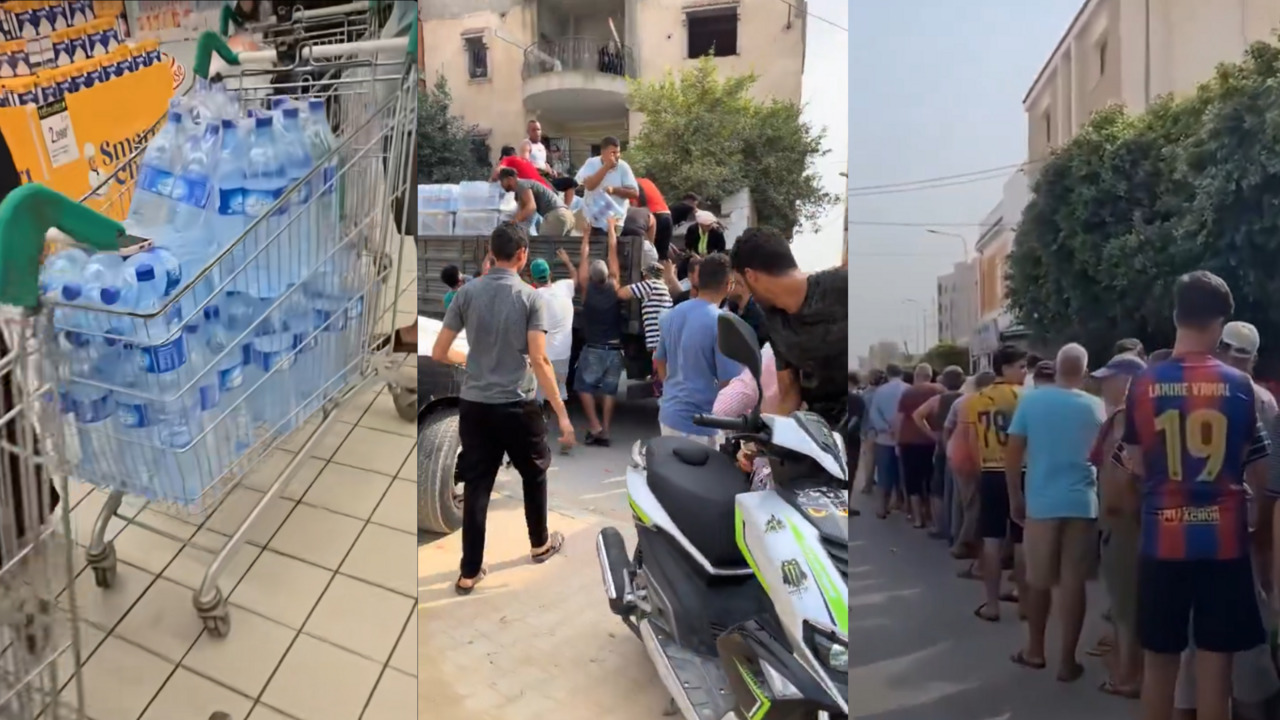
Millions of Tunisians endured recurring water and electricity cuts during an extreme summer heatwave, with temperatures approaching 50°C. France 24 reported shortages across Tunis, Sfax, coastal cities and other regions, including outages that lasted more than 10 hours in some cases.
In August, the Tunisian Electricity and Gas Society introduced temporary power cuts to ease pressure on the grid. Demand was increased by air-conditioning use and the seasonal influx of tourists, while the National Company for Water Exploitation and Distribution relies on electric pumps, linking power disruptions directly to water supply problems.
Residents faced rationing, long queues and inflated prices for bottled water. Supermarkets in Tunis and its suburbs were reportedly distributing 2.3 million bottles a day by 2 September. Accounts gathered by France 24 described stock being withheld for late-night distribution, while some bottled water was sold through black markets at prices above official limits.
The disruption also hit poultry farms, where electricity powers water systems, food distribution and cooling equipment. Farmers reported using costly diesel generators and losing chickens to heat and outages, with the scale of losses varying between individual accounts.
Public anger led to protests on 25 July and 20 August. President Kaïs Saïed attributed the shortages to what he called “deliberate and planned acts of sabotage” by enemies of Tunisia and their allies. Unions and state-owned companies instead pointed to ageing infrastructure, delayed investment and rising seasonal demand. The available accounts do not establish whether sabotage contributed to the crisis.