Tunisia’s ‘Stealth Authoritarianism’: Experts Warn of Democratic Erosion Under Saied
From the sentencing of opposition leaders to the criminalisation of civil society, Tunisia’s governance model is increasingly characterised by experts as a facade of democracy masking systemic authoritarianism.
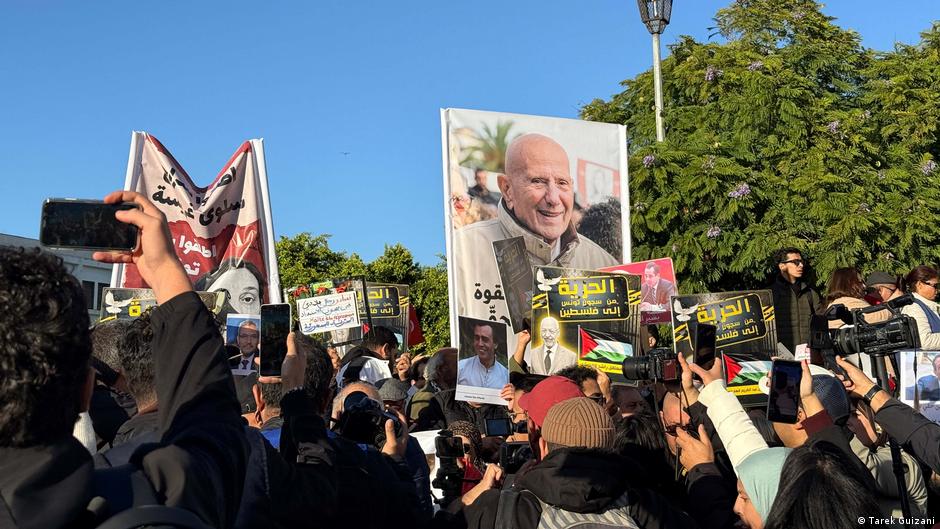
Tunisia is experiencing a steady dismantling of democratic institutions under President Kais Saied, a trend that experts and human rights organisations warn is accelerating. Since consolidating power in 2021, Saied has sidelined parliament, weakened the judiciary, and intensified pressure on opposition figures, journalists, and civil society groups. The UN High Commissioner for Human Rights, Volker Türk, recently condemned the repression in Geneva, stating that human rights activists are being criminalised and calling for an end to the crackdown on civil society.
The legal system has become a primary tool for silencing dissent, with authorities using financial and administrative charges to disband non-governmental organisations. Amnesty International reported that dozens of NGOs, particularly those advocating for human rights and migrant protection, face dissolution or prosecution. Safia Rayan of Amnesty International highlighted that the state now persecutes not only those who report human rights violations but also those who criticise the suppression itself. This includes five members of the Tunisian Council for Refugees currently on trial for supporting illegal migration, despite their cooperation with the UN refugee agency.
Judicial rulings have resulted in severe penalties for critics, including prominent opposition members and journalists. In April 2025, a Tunis court sentenced 37 opposition figures and human rights defenders to prison terms ranging from four to 66 years. Among those affected is Rached Ghannouchi, chairman of the moderate Islamic Ennahda party, who has been handed sentences totalling approximately 50 years. More recently, courts upheld the sentencing of two journalists accused of financial crimes, a move media rights groups described as judicial harassment lacking evidentiary basis. Journalist Zied El Heni was also sentenced to one year in prison for criticising the justice system.
The Democratic Erosion Consortium, a US-based organisation specialising in democratic structures, describes Saied’s governance style as "stealth authoritarianism." The group argues that democratic institutions are being undermined gradually, leaving only a "facade of democracy." Maria Josua of the German Institute for Global and Area Studies (GIGA) noted that the massive action against criticism indicates the weakness of the authoritarian system, suggesting Saied can no longer mobilise support through political ideas or economic success.
Despite these developments, Saied retains domestic support, partly due to Tunisia’s ongoing economic challenges, including unemployment and inflation. Manuel Gath of the Friedrich Ebert Foundation suggested the government is "buying time" by targeting civil society while postponing difficult economic reforms. However, press freedom has deteriorated drastically, with Reporters Without Borders ranking Tunisia 137th out of 180 countries. As debt ratios rise and economic pressure mounts, analysts warn that the suppression of dissent may exacerbate the country’s systemic vulnerabilities.