Tunisia’s democratic experiment stalls as economic stagnation and rights crackdowns persist
Despite a 50 per cent reduction in US military aid and a sharp decline in Freedom House scores, bilateral security cooperation has strengthened, with Tunisian forces dismantling terrorist cells with American support.
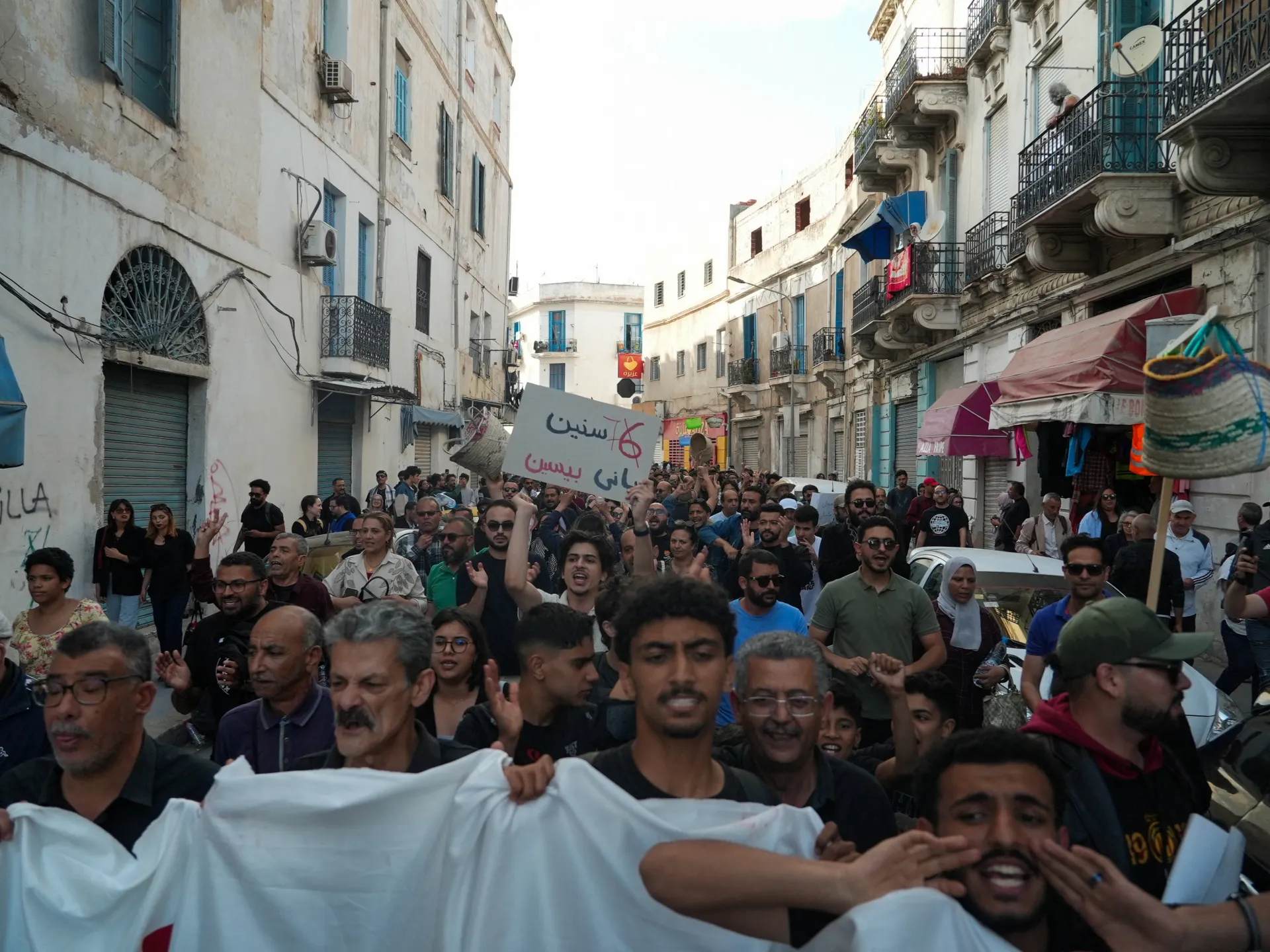
Five years after President Kais Saied suspended parliament in July 2021, Tunisia has witnessed a marked decline in civil liberties and a failure to improve economic performance. Real gross domestic product growth and unemployment levels in 2026 remain static compared to 2018, while the debt-to-GDP ratio has risen from approximately 73 per cent to over 81 per cent. The political shift has also prompted the United States government to reduce military assistance to Tunisia by 50 per cent, reflecting deteriorating bilateral relations.
Prior to the suspension of parliament, Tunisia was regarded as the Arab world’s only functioning constitutional democracy. Following the 2021 decision, a crackdown on political and civil society leaders ensued, with virtually all party leaders arrested within weeks. Consequently, the country’s Freedom House index score fell from 70 in 2020 to 42 in 2026, indicating a substantial reduction in freedom.
Economic instability has been exacerbated by frequent ministerial changes, with ministerial longevity hovering around six months, creating uncertainty for officials and foreign investors. President Saied rejected a subsidy reform programme presented by his own government and supported by the US as “foreign diktats,” despite the plan being submitted to the International Monetary Fund. This rejection has hindered efforts to stabilise the economy, leaving citizens waiting for the promised change since the power consolidation began.
Nadia Akacha, Saied’s former adviser, initially defended the president’s actions as a response to popular will against corruption. However, she resigned five months after the parliamentary suspension and was later on the run from the law, denouncing the consolidation of power. Her trajectory mirrors the broader political turmoil, as the initial optimism surrounding the president’s mandate has given way to widespread disillusionment.
Bilateral security cooperation remains the primary area of stability, with Tunisian security forces successfully dismantling terrorist cells with US support. This success is attributed to the nature of US military assistance, which consists of grants, training, and exercises rather than loans with conditionality. The US had invested hundreds of millions of dollars in Tunisian security infrastructure since 2014, creating a robust framework that continues to operate effectively despite political tensions.
The enduring security infrastructure offers a potential pathway for regional stability, with suggestions that Tunisia could provide training to security forces in Sahel nations. This approach would be more cost-effective and politically welcome than US-led initiatives, leveraging existing investments to stabilise the broader region. As Tunisia navigates its next five years, maintaining security and stability will be crucial for allowing the population to rebuild its political and economic lives.