Tunisian opposition leader faints in prison as heatwave exposes detention conditions
The incident highlights the deteriorating health of elderly political prisoners and links the crackdown to broader civil unrest over infrastructure failures.
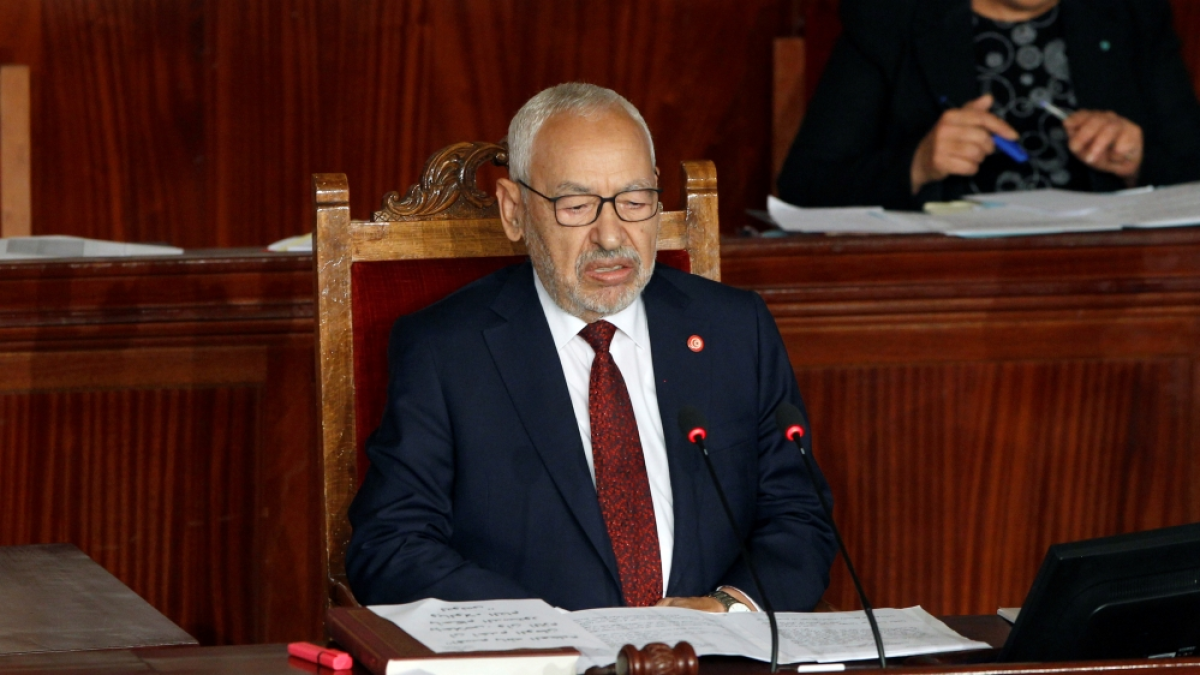
Rached Ghannouchi, the 85-year-old leader of Tunisia’s Ennahda movement, temporarily lost consciousness inside Mornaguia prison due to an intense heatwave, according to Haifa Chebbi. Chebbi, the daughter of fellow political prisoner Ahmed Nejib Chebbi, witnessed the incident during a visit to the facility on Tuesday, describing temperatures that reached 52 degrees Celsius (126 degrees Fahrenheit).
Chebbi reported that the stifling conditions made it difficult to breathe or walk, noting that detainees are confined to cells no larger than 16 square metres and permitted only two hours outside daily. She stated that several elderly inmates, including Ghannouchi, are enduring their fourth summer behind bars, with the heat exacerbating existing health vulnerabilities.
Ghannouchi has been imprisoned since 2023 and was recently hospitalised following a sharp deterioration in his health on 30 April before returning to Mornaguia. Chebbi noted that prison staff were providing special attention to elderly prisoners and were doing everything possible to manage the conditions, avoiding direct attribution of blame to the facility’s administration.
The detention of Ghannouchi and other opposition figures is part of a broader crackdown linked to unrest over water and electricity shortages. Ahmed Nejib Chebbi, who helped establish the National Salvation Front in 2022, was sentenced to 12 years in jail in 2025 alongside 36 other opposition figures on charges of conspiracy against state security.
United Nations human rights chief Volker Turk described the imprisonment of the 37 defendants as a setback to justice and the rule of law, citing violations of fair trial and due process rights. Chebbi named other imprisoned opposition figures, including lawyers Abir Moussi and Ayachi Hammami, journalist Ziad El Hani, and activist Chaima Issa, while calling on Tunisians to take action for political change.