Tunisian lawyer sentenced to two years for prison criticism amid legal crackdown
The Tunis Court of First Instance handed down the verdict based on Decree 54, a law human rights groups condemn as a tool for political repression.
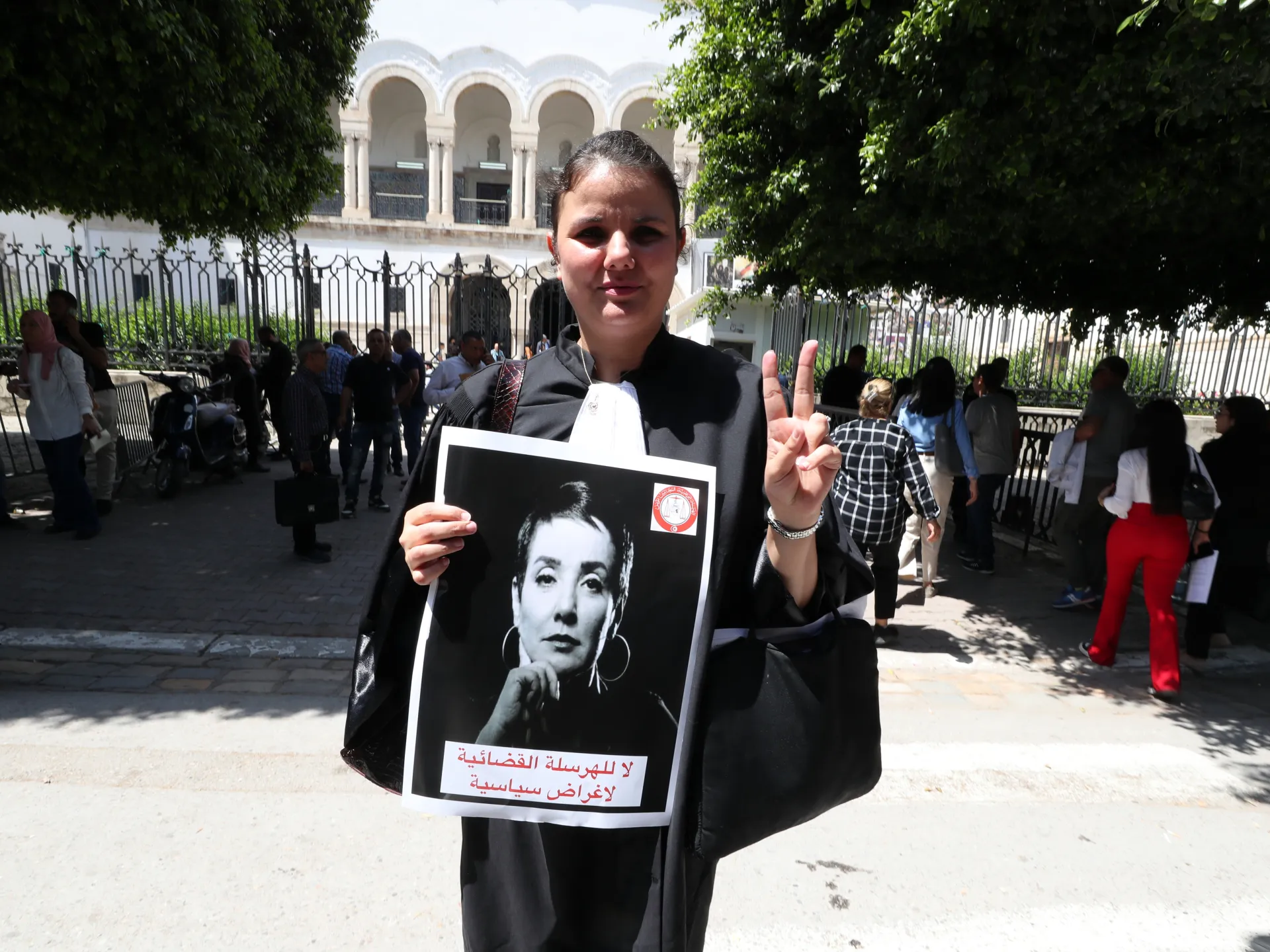
A Tunisian court has sentenced lawyer and presidential critic Sonia Dahmani to two years in prison for criticising prison conditions, marking the latest escalation in a series of legal actions against one of President Kais Saied’s most prominent opponents. The Tunis Court of First Instance delivered the verdict following a hearing on Friday, with Dahmani’s lawyer, Sami Ben Ghazi, confirming the sentence to the AFP news agency.
The conviction stems from a complaint lodged by the General Administration of Prisons regarding a 2023 radio interview in which Dahmani criticised the state of detention facilities. Her legal counsel has lodged an appeal against the decision. This ruling represents the second conviction for Dahmani in 2026, following previous sentences in May 2024 and April 2026 for remarks concerning migrants and racial segregation.
Dahmani is currently facing prosecution in five separate cases, all linked to media statements and grounded in Decree 54. Passed by President Saied in 2022, this legislation criminalises the spread of "false information" and has been widely condemned by human rights groups as an instrument of political repression. The law has become a primary mechanism for targeting lawyers, journalists, and activists since Saied consolidated power in July 2021.
The current legal proceedings follow a period of significant detention for the 60-year-old lawyer. Dahmani was arrested in May 2024 at the headquarters of the Bar Association by masked police officers, an action her colleagues described as a brutal and illegal operation. She remained in custody for more than 18 months before being released on conditional parole in November 2025.
Her previous convictions include an 18-month sentence in May 2024 for a sarcastic television remark questioning why migrants would want to settle in Tunisia during an economic crisis, and a further 18-month term in April 2026 for criticising cemeteries and buses reserved for Black people. Human rights organisations report a sharp increase in repression under the current administration, coinciding with a hostile social climate towards sub-Saharan migrants following Saied’s 2023 remarks on demographic changes.