Tuchel prioritises loyalty over talent as England squad leaks expose cultural shift
Thomas Tuchel defends his selection of committed players over the most talented, citing the need for a tight ship and unselfish leadership ahead of the World Cup.
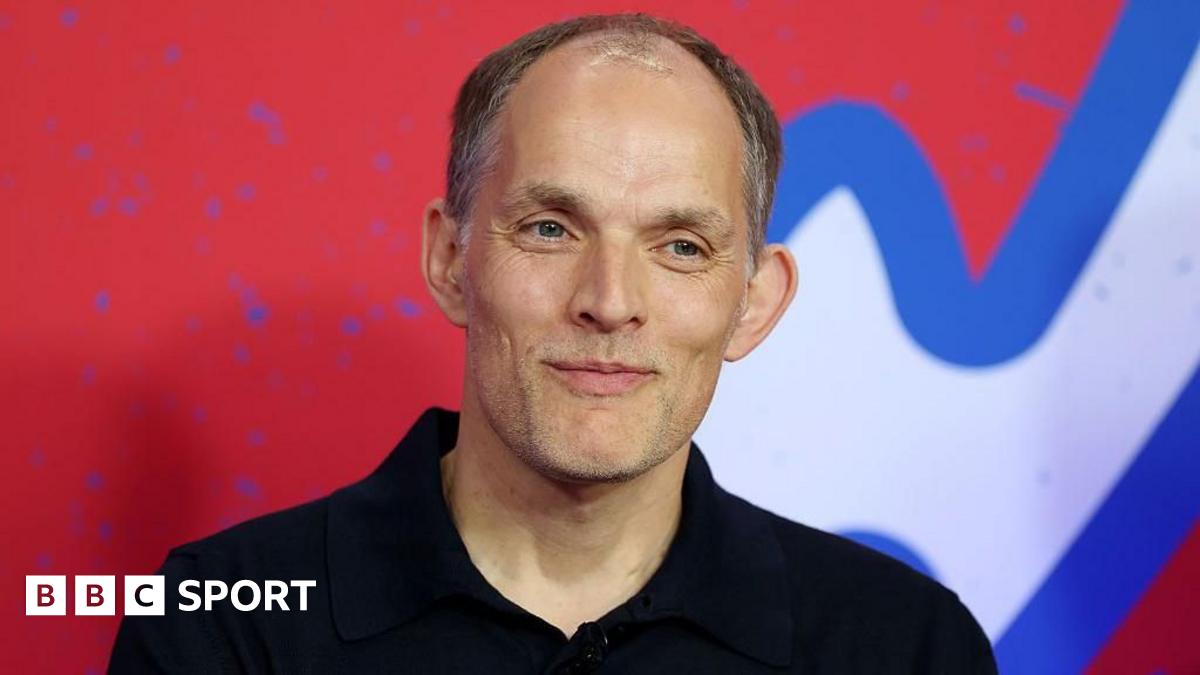
Thomas Tuchel has addressed the premature disclosure of England’s 26-man World Cup squad, framing the incident as a necessary test of the team’s cultural foundations. The identities of the squad members were steadily revealed to journalists on Thursday, beginning around 17:00 BST, coinciding with the time the majority of players were informed of their status via telephone or WhatsApp. This method stands in stark contrast to the approach of his predecessor, Gareth Southgate, who typically informed players of their inclusion or exclusion on the morning of the official announcement.
The leaks began with the omission of Harry Maguire, Phil Foden, and Cole Palmer, all of whom had been favourites under the previous regime. Maguire subsequently took to social media to express his shock and disappointment, a move that drew criticism from fans and pundits for breaking protocol before the official release. Tuchel, speaking to BBC sports editor Dan Roan, stated that the public reaction was not necessary and did not help the situation, although he acknowledged the defender’s feelings and respected him as a player.
In his response, Tuchel emphasised that his primary objective was not to select the 26 most talented individuals, but rather those who demonstrated unwavering commitment to team spirit and selflessness. He asserted that the players chosen were ready to buy into their roles on and off the pitch, prioritising a culture of unselfishness over individual ego. This philosophy was reinforced by the FA’s creation of bespoke social media content, including a Beatles-inspired short film featuring every squad member, which Tuchel noted served as a modern argument for finalising the squad well in advance.
The German manager highlighted the importance of a strong leadership group to help him run a tight ship and set the tone for standards within the squad. He refused to name specific leaders but insisted that experienced players were selected to help the team handle disappointment effectively throughout the tournament. Tuchel argued that the ability to overcome pride and push teammates forward is critical, suggesting that the leaks and subsequent reactions had only reaffirmed his belief in the resilience of the group he had assembled.
While acknowledging that leaks are a feature of the modern media landscape, Tuchel explained that the decision to inform players days in advance was made to show respect and allow for personal communication. He noted that some players were disappointed by the process, but believed it was essential for him to deliver the news personally. This strategy contrasts with other international methods, such as Brazil’s Carlo Ancelotti, who revealed his squad live on television, leaving players to discover their status at home.